
Feeling that familiar creak in your morning stride? Perhaps your hamstrings feel less like flexible ropes and more like taut guitar strings after a long day? Or maybe you’re a seasoned athlete, forever chasing that elusive extra inch of range, that fractional improvement in performance. Whatever your unique story, if you’re in the UK and curious about how assisted stretching can help improve mobility, reduce tension, or support your well-being – welcome, you’re in the right place to explore it safely and professionally.
Assisted stretching, at its heart, is a truly remarkable technique. It’s where a knowledgeable professional gently guides your body through various movements and positions, helping you achieve a deeper, more effective, and ultimately safer stretch than you could ever manage on your own. It’s not just a fleeting trend; it’s a scientifically backed method known to dramatically boost flexibility, melt away stubborn muscle tension, improve posture, and even dramatically enhance athletic performance. Imagine that satisfying release in a muscle you didn’t even realise was holding tension, or the newfound freedom in a joint that felt “stuck.”
But let’s be real for a moment. Life in the bustling UK is, well, busy. Commuting, demanding work schedules, family commitments – getting to a specialist for regular one-on-one assisted stretching sessions isn’t always practical, or even financially feasible for everyone. And this, my friends, is exactly where the world of online courses for assisted stretching truly shines. Imagine gaining the nuanced understanding and practical skills of enhancing your flexibility and mobility from the ultimate comfort of your own living room, all on a schedule that perfectly fits your unpredictable life. It’s not just about convenience; it’s a genuinely smart, proactive, and surprisingly accessible way to invest in your long-term physical well-being. Think of it as giving your body the meticulous, regular maintenance it deserves, much like a finely tuned sports car.
In this deep dive, we’re not just scratching the surface; we’re diving headfirst into the dynamic and ever-evolving landscape of online assisted stretching courses. My goal? To help you meticulously navigate the myriad of options available and pinpoint the perfect fit to unlock your body’s full, incredible potential. So, grab a cuppa, get comfortable, and let’s explore how you can become your own flexibility guru, or even a certified stretching practitioner ready to help others find their improved freedom of movement. Shall we get flexible?
What Exactly Will I Learn in an Online Assisted Stretching Course?
When you embark on an online assisted stretching course, you’re not merely signing up to learn a few basic stretches you could find on YouTube. Oh no, this is a much richer, more comprehensive journey. You’re diving into a structured curriculum designed to give you a profound understanding of human movement, functional anatomy, and the precise, evidence-based techniques required to perform assisted stretching safely and effectively. These courses are crafted to equip you with the knowledge and practical skills to either confidently apply assisted stretches to others – perhaps your clients, family, or friends – or to profoundly deepen your own personal understanding and mastery of flexibility and mobility.
Typically, you can expect to delve into several fascinating and foundational key areas that lay the groundwork for true expertise:
- Anatomy and Physiology Fundamentals: The Body’s Blueprint – You’ll quickly get intimately acquainted with the intricate network of muscles, joints, ligaments, and the often-overlooked connective tissues (like fascia) that make up the incredible human body. Understanding how these components interact, how they respond to different types of stretching, and why certain stretches target specific areas is absolutely crucial for both effective and safe practice. For instance, knowing the origin and insertion points of a muscle allows you to apply force precisely for maximum benefit, ensuring you’re stretching the right tissues, not just yanking on a limb. Research has consistently shown that improvements in range of motion (ROM) following stretching are partly due to changes in muscle-tendon unit mechanical properties and an increased tolerance to stretch, meaning your body can comfortably move further before discomfort sets in (Bryant et al., 2023). It’s like learning the blueprint before you start building. Without this foundational knowledge, you’re essentially just guessing, and that’s a risky game when it comes to the complex marvel that is the human body.
- The Diverse World of Stretching Techniques: Your Toolkit for Flexibility – This is where things get truly exciting, as you’ll explore a variety of impactful stretching methods, each with its own unique mechanisms and benefits, forming a versatile toolkit for any flexibility challenge:
- Proprioceptive Neuromuscular Facilitation (PNF) stretching: This is often considered the “secret sauce” for rapid and significant flexibility gains, and it’s a personal favourite of mine for unlocking stubborn areas. PNF is a highly effective technique that involves a clever dance between contracting and relaxing specific muscles. By engaging a muscle (like pushing against resistance) and then immediately relaxing it, you can “trick” your nervous system into allowing a greater range of motion, often by inhibiting the stretch reflex – that protective mechanism that resists overstretching (Sharman et al., 2006). It’s like finding a master key that opens a deeply locked door to deeper, more profound stretches. Many online assisted stretching certifications dedicate significant time to mastering PNF due to its proven efficacy in increasing flexibility in the short and long term.
- Active and Passive Stretching: You’ll learn the crucial differences between stretches you initiate and control entirely yourself (active stretching, like holding your leg out without assistance), and those where an external force – such as a practitioner, gravity, or a stretching band – helps you move deeper into the stretch (passive stretching). Both have their distinct place and benefits in a well-rounded flexibility programme, offering different neurological and physiological responses.
- Dynamic Stretching: This technique involves moving your body through a full range of motion, often in a controlled, repetitive manner (think graceful leg swings or fluid arm circles). It’s fantastic for preparing the body for physical activity, improving functional flexibility, and warming up the muscles, rather than just extending static range (Behm & Chaouachi, 2011).
- Loaded Stretching: This is a more contemporary and fascinating approach that’s currently generating a lot of interest in the fitness and rehabilitation world. It involves stretching a muscle while it’s simultaneously under some form of resistance or load. Emerging research suggests that incorporating loaded stretching, particularly between sets of resistance exercise, may actually enhance muscle thickness (hypertrophy) and strength gains, especially for certain muscle groups like the calves (Schoenfeld et al., 2022). How cool is that – gaining flexibility and potentially muscle? It represents a compelling addition to any flexibility routine, offering potential benefits beyond just increasing range of motion.
- Assessment and Client Consultation: Tailoring the Stretch – A truly high-quality course, especially one geared towards an online stretch practitioner course or online stretching program for professionals, will meticulously train you in the art and science of assessing an individual’s current flexibility levels. This isn’t just about looking for stiffness; it involves pinpointing muscular imbalances, identifying areas of tightness or weakness, and most importantly, truly understanding their specific goals, lifestyle, and any existing physical limitations. This analytical skill is absolutely vital for crafting bespoke, effective, and crucially, safe stretch therapy programs that genuinely meet the client’s unique needs. It’s about listening intently to the body’s narrative and designing a targeted, personalised approach that truly helps.
- Contraindications and Safety Protocols: Prioritising Well-being Above All – Let’s be crystal clear: knowing when not to stretch, or when a particular technique might be counterproductive or even harmful, is just as important, if not more so, than mastering the stretches themselves. Safety is unequivocally paramount, especially when you’re working with another person’s body. Professional bodies like the Chartered Society of Physiotherapy (CSP) consistently highlight the critical importance of robust assessment, understanding individual client medical history, and a deep knowledge of anatomy and biomechanics to prevent injuries and ensure patient safety (CSP, n.d.). Adhering to the UK Advertising Standards Authority (ASA) guidelines also means any claims about health benefits must be supported by robust, verifiable evidence and presented responsibly, avoiding exaggeration or misleading statements (ASA, n.d.). This section is all about being a responsible, knowledgeable, and utterly trustworthy practitioner – the kind you’d trust your own body with.
Practical Application and Virtual “Hands-On” Experience: While you’re learning online, it’s not just about reading textbooks or watching static diagrams. Most reputable courses, particularly those focusing on assisted stretching, incorporate extensive video demonstrations, detailed step-by-step guides, and often require you to perform and submit practical exercises. This ensures you can confidently and correctly apply the techniques you’re learning, even from a distance. Think of these as your virtual “hands-on” sessions, meticulously guiding you through precise positioning, effective leverage, and crucial communication cues with your “client” (who might initially be a patient friend or family member!). Some courses might even require you to submit video assessments of your technique, allowing instructors to provide personalised, constructive feedback – it’s like having an expert looking over your shoulder. You might even find resources like those offered by StretchMasters® Flex-Release™ System training for partner clinics, which provide expert guidance, practical tutorials, and evidence-based knowledge to help you unlock your body’s full potential (StretchMasters, n.d.-a).

Are There Any Prerequisites or Qualifications Required to Join a Training Programme?
This is a really pertinent question, and the honest answer is, it truly depends on the specific online assisted stretching certification or stretch therapy online course you’re looking at. Just like choosing a new car, there are options for every need and level of experience, from a nimble city run-around to a powerful off-roader.
Some fantastic online courses are designed with the absolute beginner in mind, perfect for individuals who simply want to improve their own flexibility for daily life, enhance their personal fitness routine, or perhaps learn techniques to help out family and friends. These generally have very minimal prerequisites – typically just an age requirement (usually 18 or over) and a basic level of physical health to participate safely.
However, if your ambition is to pursue an online stretch practitioner course, an online assisted stretching certification, or an online stretch therapy diploma with the goal of working professionally – whether that’s in a bustling clinic, a vibrant gym, or as an independent coach building your own empire – then you will almost certainly encounter more rigorous requirements. Many reputable programs, especially those leading to a formal stretching instructor certificationor a stretching program for professionals, prefer or even mandate prior qualifications in related health and fitness fields. This could include, but certainly isn’t limited to:
- Fitness Professionals: If you’re already a certified personal trainer, a gym instructor, or a strength and conditioning coach, these courses are often the perfect complement to your existing skill set. They allow you to offer a more holistic and specialised service to your clients, addressing their mobility needs directly. Think of it as adding another powerful, in-demand tool to your already impressive toolkit.
- Healthcare Professionals: Physiotherapists, sports massage therapists, chiropractors, and osteopaths frequently seek out these courses as an excellent way to expand their therapeutic offerings. Learning advanced stretching techniques may support patient rehabilitation and recovery, offering additional strategies that can assist with pain management and improved functional outcomes. Many courses specifically for these professionals, such as a Clinical Stretching Therapy Courses, are meticulously tailored for practitioners, integrating stretching into a broader rehabilitation context, and often provide valuable Continuing Education Units (CEUs), which are essential for maintaining professional licenses (Seminars for Health, n.d.).
- Sports Enthusiasts and Coaches: If you’re deeply immersed in a particular sport – be it competitive cycling, martial arts, or dedicated running – an stretching for athletes certification or a stretching coach certification can provide you with a significant strategic advantage. You’ll learn how to optimise performance, accelerate recovery, and crucially, prevent common athletic injuries for yourself or your team, turning potential setbacks into triumphs.
My best advice? Always, always meticulously check the specific course details and entry requirements before you enrol. Many will clearly state prerequisites such as a “Level 3 VTCT (or equivalent) qualification in soft tissue massage” or require a “college-level understanding of anatomy, physiology, and pathology” (Sports Therapy UK, n.d.). But please, don’t let that deter you if you don’t currently hold these! There are plenty of excellent, accessible introductory options available from providers across the UK to get you started on your exciting flexibility journey, building your knowledge and skills step by foundational step.
How Long Does It Take to Complete an Assisted Stretching Certification Programme?
The time commitment required to complete an assisted stretching certification can swing quite significantly, much like the dedication you’d put into truly mastering any new, valuable skill. It genuinely boils down to a few key factors: the inherent depth and breadth of the course content, whether it’s designed as a foundational introduction or an advanced professional diploma, and crucially, if it’s a self-paced learning journey or one that’s actively instructor-led.
Here’s a rough guide to give you a clearer picture of what to expect, from a quick sprint to a marathon of learning:
- Short Workshops & CPD Courses: Astretching workshop or an assisted stretching CPD course(Continuing Professional Development) might take anywhere from just a few intense hours to a couple of full days to complete. These are typically laser-focused on very specific techniques or emerging concepts, serving as fantastic refreshers for existing practitioners or as quick, digestible introductions for those who are just dipping their toes into the waters of assisted stretching. Think of them as concentrated bursts of knowledge – perfect for topping up your skills.
- Introductory Certifications: For a comprehensive yet introductory stretching and flexibility online course or an online flexibility training certification, you’re probably looking at a commitment ranging from several weeks to a few months. These programs usually involve a set number of video learning hours, alongside a significant chunk of mandatory practical application time. For example, some certifications might require you to log a specific number of “practice hours” – perhaps 60 hours of assisted stretching practice on willing participants, meticulously documented (Stretch Kinetics, n.d.). This practical component is absolutely key to cementing your theoretical understanding and building true confidence.
- Advanced Diplomas & Specialist Programs: If you’re aiming for something more substantial, like astretch therapy diploma or a robust online stretching program for professionals, then it will naturally take longer – perhaps six months to a year, or even more. These intensive programs delve significantly deeper into the scientific underpinnings, nuanced techniques, and complex practical application of stretching. They often require extensive case studies, more rigorous theoretical and practical assessments, and sometimes even direct mentorship to ensure you truly grasp the material at an expert level, ready for professional practice.
Table 1: Estimated Course Durations for Online Assisted Stretching Programs
| Course Type | Typical Duration | Primary Focus | Ideal Target Audience |
| Online Stretching Workshop | A few hours-1 day | Specific techniques, quick refreshers for existing knowledge | Beginners, existing practitioners (CPD) |
| Assisted Stretching CPD Course Online | 1-2 days | Advanced techniques, professional development, specific modalities | Existing therapists, fitness professionals |
| Intro Certification (e.g., Stretching & Flexibility) | Several weeks-3 months | Foundational knowledge, basic assisted techniques, personal improvement | Enthusiasts, aspiring practitioners, general fitness pros |
| Professional Certification (e.g., Stretch Therapy) | 3-6 months | Comprehensive techniques, client assessment, program design, safety | Aspiring stretch practitioners, experienced fitness pros |
| Online Stretch Therapy Diploma | 6-12+ months | In-depth science, advanced applications, rehabilitation focus, professional practice, business acumen | Dedicated professionals, those seeking advanced specialisation |
It’s clear that the time investment varies, so take a moment to honestly consider your current learning style, existing commitments, and ultimate career or personal goals when choosing your assisted stretching course. The perfect fit will make your learning journey as smooth as a perfectly stretched muscle!
Is the Course Self-Paced or Instructor-Led?
This is a really important distinction when you’re looking at courses for assisted stretching, because your individual learning style and personal schedule will heavily influence which format works best for you. Both self-paced and instructor-led courses have their own unique charm and undeniable benefits, so let’s unpack them to help you decide.
Self-Paced Assisted Stretching Courses:
- What they are: These courses champion the concept of ultimate flexibility. Once you enrol, you typically gain immediate access to all the core course materials – a treasure trove of videos, in-depth readings, interactive quizzes, and practical assignments. You then work through them entirely at your own speed, whenever and wherever suits you best, be it a quiet Sunday afternoon or a late-night study session. There are no strict deadlines for module completion, and you are the master of your own study schedule (Calibrae LMS, 2021). It’s learning on your terms.
- Pros:
- Maximum Flexibility: Absolutely perfect for busy individuals with unpredictable schedules, those balancing demanding work with family life, or simply night owls who prefer to learn at 2 AM. The biggest hurdle? Often, it’s the journey from sofa to syllabus, not the content itself!
- Learn at Your Own Pace: You can generously spend more time on complex topics that truly challenge you, allowing concepts to sink in deeply, and then gracefully breeze through areas you already understand. No feeling rushed, no feeling bored.
- Accessibility: Often more affordable than their instructor-led counterparts due to lower overheads for the course provider, making quality education more accessible.
- Review and Revisit: Many self-paced courses offer lifetime or extended access to materials, allowing you to go back and review content whenever you need a refresher, long after you’ve completed the course.
- Cons:
- Requires Self-Discipline: This is the big one. Without fixed deadlines or a direct instructor actively guiding you, it’s undeniably easy to procrastinate. You need to be highly motivated, exceptionally organised, and possess a strong internal drive to see it through.
- Limited Direct Interaction: While some self-paced courses bravely attempt to fill this gap with community forums or email support, direct, real-time interaction with instructors or peers is often limited (Calibrae LMS, 2021). This can sometimes lead to feelings of isolation if you thrive on dynamic group discussions and immediate feedback.
- Questions Can Linger: If you hit a conceptual roadblock, getting an immediate, nuanced answer might not be possible, which can occasionally slow your progress.
Instructor-Led Online Assisted Stretching Courses:
- What they are: These courses meticulously mimic a traditional classroom experience, but with the convenience of being partly or entirely online. They typically involve scheduled live sessions (via webinars or interactive video calls) with a dedicated instructor and a supportive cohort of fellow students. There are often fixed start and end dates, weekly assignments, and ample opportunities for real-time questions, dynamic discussions, and immediate feedback.
- Pros:
- Structured Learning: The fixed schedule and clear deadlines provide a well-defined roadmap and built-in accountability, which can be a huge motivator for many, keeping you firmly on track.
- Direct Interaction and Feedback: This is a major advantage. You get real-time opportunities to ask questions, clarify doubts, engage in lively discussions, and receive immediate, personalised feedback on your technique or understanding directly from an expert.
- Community and Networking: Learning alongside a cohort fosters a vibrant sense of community, allowing for invaluable peer-to-peer learning, collaborative problem-solving, and professional networking opportunities that can extend far beyond the course’s end.
- Motivation and Engagement: Live interaction and the camaraderie of a group can make the learning process significantly more engaging and help you stay highly motivated.
- Cons:
- Less Flexible: You need to commit to specific times for live sessions, which can be challenging if your schedule is erratic, you travel frequently, or you’re in a vastly different time zone.
- Higher Cost: Generally, these courses are more expensive due to the direct, ongoing involvement of instructors and the often-smaller, more intimate class sizes.
- Pacing: While instructors strive to accommodate different learning speeds, the predetermined pace might occasionally feel too fast for some students or too slow for others within the group.
Interestingly, many reputable providers of stretching and mobility certification are now offering a savvy blended approach. This combines the flexibility of self-paced modules with the invaluable benefits of optional or periodic live Q&A sessions or intensive workshops. This clever hybrid can truly give you the best of both worlds, allowing you to tailor your learning experience. When you’re choosing your assisted stretching training, take a moment to reflect on which format genuinely aligns with how you learn best and your current lifestyle.
Do I Need to Purchase Any Special Equipment for the Course?
This is another wonderfully practical question, and it’s always a smart one to ask upfront! The comforting news is generally “not much,” especially for foundational online courses for assisted stretching. Most initial courses focus heavily on fundamental body mechanics, proper technique, and partner-assisted movements, which, delightfully, often require minimal to no specialised equipment. Your most essential “equipment” will be a willing practice partner (a friend or family member), and some clear, unobstructed space.
However, as you progress, or if you opt for a more advanced stretch therapy course or a stretching and flexibility specialist online program, you might find that certain basic, affordable tools can significantly enhance your learning and future practice. Think of these as valuable accessories rather than absolute necessities initially. Here’s a breakdown of what might be recommended or useful:
- Absolute Essentials (You’ll Definitely Need These):
- Comfortable Clothing: This sounds obvious, but you’ll be moving through a wide range of motions! Wear something that allows for complete freedom, without restricting your ability to stretch.
- Clear, Safe Space: Ensure you have enough room to move freely without bumping into furniture, walls, or beloved houseplants. Safety first, always!
- Mat or Soft Surface: A yoga mat or a carpeted area for floor-based stretches will provide crucial comfort and stability, protecting your joints and making longer sessions more enjoyable.
- A Trusty Practice Partner: For assisted stretching, having a consistent human to practice on is absolutely invaluable. This could be a housemate, a patient family member, or a very enthusiastic friend. Their feedback will be gold!
- Reliable Device with Internet Access: A laptop, tablet, or even a modern smartphone is essential for accessing course materials, streaming high-quality videos, and participating in any live sessions. A strong, stable internet connection is, of course, a non-negotiable must.
- Highly Recommended (Can Elevate Your Practice, But Often Optional):
- Resistance Bands/Stretching Straps: These are incredibly versatile, surprisingly affordable, and pack a powerful punch. They can help deepen stretches by providing gentle resistance, assist in reaching certain positions you couldn’t otherwise, or even provide a supportive anchor. Many online flexibility training certification courses will incorporate exercises using these simple yet effective tools (Healthline, 2025).
- Foam Roller: An excellent companion for self-myofascial release, which beautifully complements stretching by helping to break up fascial adhesions and improve overall tissue quality. While not directly for assisted stretching, a comprehensive flexibility and recovery routine often includes targeted foam rolling (Healthline, 2025).
- Massage Balls (e.g., Lacrosse Ball or Firm Rubber Ball): Similar to foam rollers but designed for precision, these are brilliant for targeting smaller, more stubborn, or “knotted” areas like glutes, shoulders, or the arches of your feet, providing intense, localised pressure.
- Simple Towel: Don’t underestimate the power of a common household towel! It can be ingeniously used as a makeshift strap to extend your reach in certain stretches, or as a support under joints.
- High-Quality Camera/Smartphone: If your chosen course requires video submissions of your practical work, you’ll need a device capable of recording clear, stable, and well-lit video of yourself and your partner.
For the most part, you won’t need to break the bank on fancy gadgets. The true essence of these courses lies in understanding the biomechanical principles and mastering the precise techniques. Always, always check the specific course curriculum or FAQ section for any explicitly recommended equipment list. The beauty of learning online is that you can often get started by creatively adapting with what you already have readily available at home.
What is the Exam Format and Passing Criteria?
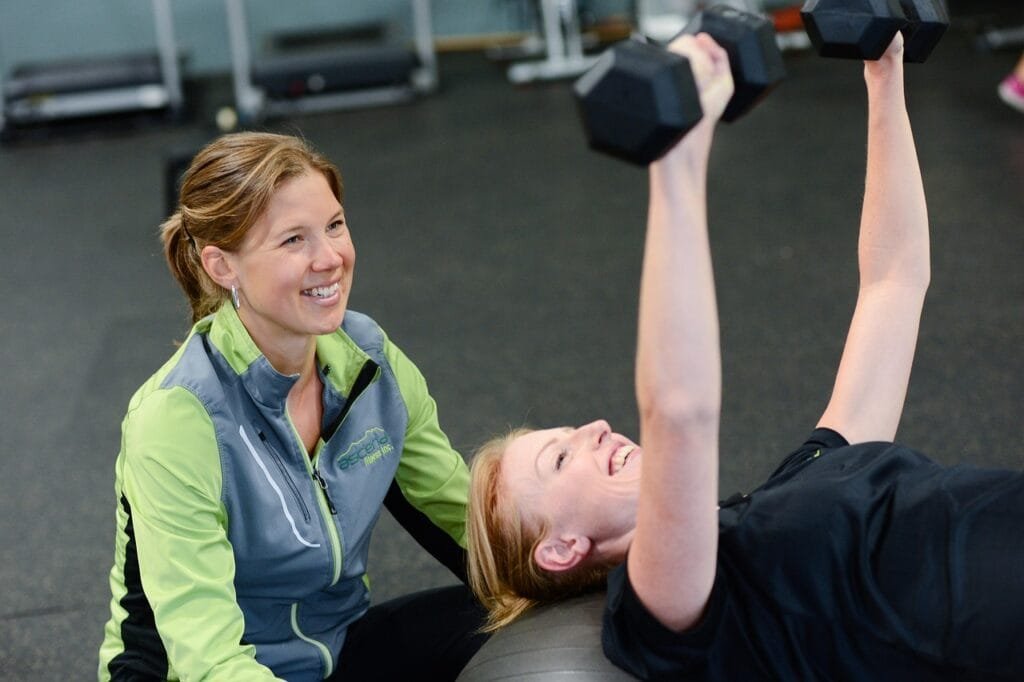
Okay, so you’ve diligently absorbed all this fantastic information, you’ve practiced your techniques until they feel second nature, and now it’s time for the moment of truth: demonstrating what you’ve learned! The exam format and passing criteria for assisted stretching certifications can vary significantly from one esteemed provider to another, but generally, they are meticulously designed to assess both your rock-solid theoretical knowledge and your refined practical application skills. It’s not just about memorising facts; it’s about confidently demonstrating competence in a real-world (or simulated real-world) setting.
Here’s a breakdown of the common assessment methods you might encounter, giving you a clear roadmap of what to expect:
- Theoretical Assessment: Proving Your Knowledge Base
- Multiple-Choice Quizzes/Exams: This is an incredibly common and efficient format for testing your foundational understanding of anatomy, physiology, core stretching principles, critical contraindications (when not to stretch), and essential safety protocols. These are usually completed online and can sometimes be open-book, though often timed to ensure genuine understanding rather than just quick look-ups (Stretch Kinetics, n.d.).
- Short Answer or Essay Questions: Some more rigorous courses might include these to truly gauge your deeper comprehension and your ability to articulate complex concepts in your own words, demonstrating true mastery rather than rote memorisation.
- Case Studies: This is where the rubber meets the road. You might be presented with hypothetical client scenarios – perhaps “Sarah, a keen marathon runner, presents with persistent hamstring tightness” – and asked to outline a suitable assisted stretching plan, meticulously justifying your choices based on the scientific principles and techniques you’ve learned. This format brilliantly demonstrates your critical thinking, problem-solving abilities, and practical application of knowledge (Stretch Kinetics, n.d.). It’s a fantastic way to prepare you for real-life client interactions.
- Practical Assessment: Demonstrating Your Skills This is often the most crucial and exciting part for an online stretch practitioner course or stretching instructor certification online, as it’s designed to prove you can confidently do what you’ve learned, not just talk about it.
- Video Submissions: You’ll typically be required to record yourself performing a series of specific assisted stretches on a volunteer (your trusty practice partner, perhaps!). These high-quality videos are then submitted to your instructors for meticulous review. They’ll be scrutinising everything from your correct form and precise body mechanics to your effective communication with your “client,” and, critically, your unwavering adherence to safety guidelines. This is where attention to detail really matters – every angle, every cue counts!
- Practice Logs: Many comprehensive courses require you to meticulously log a certain number of practice hours, detailing who you stretched, precisely what techniques you used, and any key observations or client feedback. This encourages consistent, deliberate practice and powerfully reinforces your learning, ensuring you’re building genuine muscle memory for the techniques. For instance, some certifications explicitly require 60 hours of documented practice before you can even think about the final assessment (Stretch Kinetics, n.d.).
- Live Online Practical Exam (less common, but possible for advanced courses): In some of the more intensive or premium courses, you might participate in a live video call where you perform stretches under the direct, watchful eye of an instructor. This provides immediate, real-time feedback and a more dynamic assessment environment.
Passing Criteria:
- Minimum Score: For theoretical exams, there will typically be a clear minimum passing score, often around 70-80%. For some particularly rigorous courses, like certain modules within the Flex-Release™ System, it can be as high as 90% for their multiple-choice exams .
- Competency in Practical Skills: For practical assessments, it’s not just about completing the movements; it’s about demonstrating competency and mastery. This means performing techniques safely, effectively, smoothly, and with exemplary client communication. Instructors will provide detailed, constructive feedback, and you might have opportunities to resubmit certain segments if needed, ensuring you truly meet the standard.
- Completion of All Modules and Assignments: You’ll need to successfully complete all course modules, quizzes, practical logs, and any required case studies to be eligible for that coveted certification.
Remember, the overarching goal of these assessments is not to trip you up or play “gotcha.” Instead, they are carefully designed to ensure that you have genuinely absorbed the material, can critically think about its application, and can confidently, safely, and effectively apply the techniques learned. Always read the course syllabus and assessment guidelines meticulously to understand the specific methods and passing criteria before enrolling. It’s always better to know exactly what you’re signing up for from the very first stretch!
Will I Receive a Certificate Upon Completion?
Yes, absolutely! The entire point of dedicating your time and effort to an assisted stretching certification or an online flexibility training certification is to receive formal, tangible recognition for your hard work and newly acquired, valuable skills. Upon successful completion of all course requirements – typically passing your theoretical exams, successfully submitting any practical assessments, and completing all required modules and hours, and paying your course fees – you will be awarded a certificate of completion.
This certificate isn’t just a fancy piece of paper; it serves as official, verifiable proof that you’ve diligently undertaken the training, absorbed the material, and met the specified learning outcomes set by the course provider. For many, this is more than just a credential; it’s a tangible symbol of their personal growth, their professional dedication, and a significant milestone in their journey.
What that certificate looks like and what it truly signifies can vary slightly:
- Digital vs. Physical: Most modern online courses will provide you with a convenient digital certificate (often a high-resolution PDF) that you can easily download, print, and share electronically across your professional networks. Some providers, perhaps as part of a premium package or for an additional small fee, might also offer a beautifully printed physical certificate suitable for framing – a nice touch for your home office or clinic wall!
- Title of Certification: The certificate will clearly state the specific title of the course you completed, such as “Certified Assisted Stretching Practitioner,” “Professional Flexibility Coach,” or an “Online Stretch Therapy Diploma,” making your specialisation immediately clear.
- Provider Recognition and Branding: The certificate will proudly display the name and branding of the organisation that provides the course. This is precisely why choosing a reputable, well-regarded, and industry-respected provider is so profoundly important – their good name adds significant weight, credibility, and trust to your qualification, especially when you’re presenting it to potential employers or clients.
Having a recognised certificate is an incredibly powerful tool for several reasons:
- Showcase Your Expertise: It’s a perfect addition to your professional portfolio, your LinkedIn profile, your website, or even framed proudly on your clinic wall! It instantly communicates your commitment and expertise.
- Boost Your Confidence: There’s an undeniable surge of confidence that comes with holding a formal acknowledgment of your dedication and mastery. It validates your hard work.
- Pursue Professional Opportunities: For those aiming to actively work as an assisted stretching practitioner or coach, this certificate is often a fundamental requirement for potential employers, for securing essential liability insurance, and for establishing your credibility within the health and wellness industry.
So, rest assured, once you’ve put in the invaluable effort, you’ll have that well-deserved certificate in hand (or perhaps digitally in your inbox, ready to print!), validating your journey and opening doors.
Are These Courses Recognized by Professional Organizations or Provide CEUs?
This is a critical question, particularly if you’re a fitness professional, a healthcare practitioner, or simply someone astute enough to know the value of adding a reputable, recognised qualification to your professional arsenal. The level of recognition and the provision of CEUs (Continuing Education Units) for assisted stretching courses vary widely, so it’s absolutely essential to do your meticulous homework before enrolling.
Professional Recognition:
- Accreditation Bodies: Some online courses, particularly more comprehensive online stretch therapy diplomas or advanced flexibility coach certification online programs, may be formally accredited or recognised by esteemed national or international fitness and health organisations. In the UK, for instance, this could include influential bodies like CIMSPA (Chartered Institute for the Management of Sport and Physical Activity) or other sector-specific organisations that hold significant weight and respect within the broader fitness industry. Accreditation signals a certain standard of quality and curriculum design.
- Specialised Certifications: Certain certifications, such as those explicitly offered by well-known entities like NASM (National Academy of Sports Medicine) for stretching specialisms, or specific assisted stretch certifications from respected organisations often carry inherent recognition within their respective specialisms. For example, the NASM stretching certification online is widely respected and recognised within the fitness industry, making it a valuable addition to many professionals’ credentials.
- Industry Reputation: Beyond formal accreditation, the sheer reputation and track record of the course provider itself play a huge, often underestimated, role. Providers like StretchMasters®, for example, build their reputation on rigorous, evidence-based approaches, practical application, and a commitment to quality content, which often translates into widespread industry respect and acceptance. Some course providers like SFH (Seminars for Health) offer an SFH assisted stretching therapy online course, backed by their long-standing reputation for quality and their focus on health professionals often meaning their certifications provide CEUs accepted by various massage therapy or healthcare associations (Seminars for Health, n.d.). Trustworthiness here is built on consistent delivery and positive industry feedback.
Continuing Education Units (CEUs) / CPD (Continuing Professional Development):
Many assisted stretching CEU coursesare specifically designed with the professional in mind, aimed at helping individuals maintain their existing certifications and stay current in their fields. If you’re a physiotherapist, a sports massage therapist, a personal trainer, or another allied health professional, you’re almost certainly required to earn a certain number of CEUs or CPD points periodically to keep your credentials current and your professional license valid.
- How CEUs Work: When a course explicitly states it provides CEUs, it means that successfully completing it contributes towards your ongoing professional development requirements. The precise number of CEUs awarded will vary depending on the course length, depth, and the particular awarding body.
- Verifying CEUs: This is where you need to be eagle-eyed. Always, always confirm which specific professional organisations recognise the CEUs offered by a particular course. A course might be recognised by one prominent organisation (e.g., NCBTMB for massage therapists) but not necessarily by another (e.g., a specific state or national physiotherapy board). The course provider should clearly and transparently state their affiliations and the exact number of CEUs awarded. For instance, some course descriptions explicitly state they “Earn 6 Valuable CEU credits with a specific national board” leaving no room for doubt.
- UK Context: For those of us in the UK, look for courses that explicitly offer CPD points or are recognised by relevant UK professional bodies in physiotherapy, sports therapy, or fitness. While the CSP doesn’t typically “endorse” specific commercial courses in a blanket fashion, they absolutely set rigorous professional standards and vigorously encourage their members to undertake verifiable CPD that aligns with best practice (CSP, n.d.). Therefore, a high-quality course should implicitly align with these standards, even if not explicitly “approved” by the CSP. The key is that the learning is directly relevant to your scope of practice and enhances your capabilities safely and effectively.
Before you invest in any accredited online stretching courses, my best, most emphatic advice is to:
- Check directly with your specific professional organisation: Confirm their precise requirements for CEUs/CPD and if they explicitly accept the particular course or provider you’re seriously considering. Don’t assume!
- Look for explicit statements on the course website: Reputable and transparent providers will clearly and proudly advertise any accreditations, formal recognitions, or CEU provisions they hold. If it’s not clearly stated, ask!
- Read reviews and testimonials: See what other professionals, particularly those in your field, are saying about the course’s value, its recognition, and how easily they were able to use the CEUs. Peer experience can be incredibly insightful.
Choosing a course that offers recognised CEUs or is delivered by a well-regarded provider can help strengthen your professional credibility, support your career development, and enhance your skills as a stretch practitioner. It’s a meaningful investment in your future.
What Support is Available During the Course?
Stepping into the world of online learning, especially for acquiring tangible, practical skills like assisted stretching, can sometimes feel a bit like venturing into uncharted territory alone. That’s precisely why the level of support available during an online assisted stretching course is an absolutely crucial factor to meticulously consider. You’re investing your valuable time and hard-earned money, so you deserve to feel completely supported, guided, and confident every single step of the way.
Good online programs understand this intrinsic human need for connection and guidance. They don’t just throw a bunch of videos at you; they meticulously build in various robust support mechanisms to ensure you never feel like you’re navigating this exciting journey in isolation:
- Dedicated Instructor Support: Your Expert Guides
- Email/Messaging: Most reputable courses offer direct email access or a dedicated messaging system to their instructors. This is your lifeline for questions about the material, clarification on assignments, or any conceptual challenges you might encounter. Look for clearly stated response times so you know what to expect – a good provider won’t leave you hanging!
- Live Q&A Sessions: Many courses, particularly those with an instructor-led component or a savvy blended format, will regularly host live online Q&A sessions. These are fantastic, dynamic opportunities to get real-time answers to your burning questions, clarify nuanced concepts, and engage in direct dialogue with the experts.
- Personalised Feedback: This is paramount for practical skill development. Especially for practical assessments like video submissions, you should expect detailed, constructive, and actionable feedback from qualified instructors. This isn’t just about spotting errors; it’s about helping you refine your technique, improve your cues, and truly master the art.
- Community and Peer Support: Learning Together
- Online Forums/Discussion Boards: Many online stretch practitioner course platforms feature vibrant, dedicated forums where you can actively interact with fellow students. This is brilliant for asking general questions, sharing insights from your practice, discussing common challenges, and learning from each other’s diverse experiences. It creates a virtual classroom vibe.
- Private Social Media Groups: Some providers, for a more informal and immediate connection, create private Facebook or LinkedIn groups specifically for their students. This can foster a strong sense of community, allowing for more casual discussions, immediate peer support, collaborative problem-solving, and valuable networking opportunities that extend beyond the formal course structure.
- Study Buddies: Sometimes, through these forums or groups, you might even connect with a study buddy. This is a game-changer for practising techniques on each other, providing mutual feedback, and keeping each other motivated and accountable through the learning process.
- Technical and Administrative Support: Smooth Sailing
- Dedicated Help Desk/Support Team: If you ever encounter any technical glitches with the learning platform itself, annoying video playback issues, or have administrative questions about billing, course access, or progression, there should be a readily available, responsive support team to swiftly assist you. Nothing derails learning faster than technical frustration!
- Comprehensive FAQs and Resource Libraries: Beyond the core course content, many forward-thinking providers offer extensive FAQ sections, easily downloadable resources (like printable guides, handy checklists, or detailed anatomical charts), and additional articles to brilliantly supplement your learning. For example, StretchMasters offers a comprehensive “Learning Hub” packed with FAQs, practical tips, and downloadable resources designed to support your journey (StretchMasters, n.d.-a).
Before you commit to an online stretching and mobility certification, I highly recommend looking for clear, explicit information about the support systems they have meticulously put in place. Does the course mention specific instructor availability? Are there active, moderated community forums? Knowing what kind of robust safety net is available can make a profound difference to your overall learning experience and significantly increase your chances of successfully completing your assisted stretching training online. It’s incredibly comforting to know you’re not just left to figure everything out by yourself in the vast expanse of the internet!
Can I Use This Certification to Work as an Assisted Stretching Practitioner or Coach?
This is one of the most exciting questions for many reading this – the idea of turning your passion for movement and helping others into a rewarding career path!
The short answer is: Yes, in many cases, a well-structured assisted stretching certification can serve as a strong foundation for working in the wellness, fitness, or manual therapy space.
That said, your ability to practise professionally will also depend on local regulations, your prior qualifications, and insurance requirements.
It’s a meaningful step toward a fulfilling role – and for many, it’s the beginning of something bigger.
However, as with any emerging field, there are some important nuances to consider, especially here in the professional landscape of the UK:
- The Power of the Qualification: A well-regarded assisted stretching certification – particularly one that is comprehensive and skills-based – can serve as a clear signal that you’ve gained specialised knowledge, developed valuable hands-on techniques, and invested in structured education in this growing field. It shows potential clients and employers that you’re committed to your craft, understand the fundamentals of movement science, and have taken professional training seriously. For many practitioners, it becomes a key point of differentiation. Anecdotally, it’s encouraging to see that some modern fitness centres, wellness clinics, and forward-thinking rehab practices are beginning to show interest in professionals with this kind of skill set (e.g. trends visible on platforms like ZipRecruiter).
- Building Your Business or Career Path:
- Independent Practitioner: Many certified individuals, driven by entrepreneurial spirit, choose to confidently set up their own independent practice. This could involve offering mobile assisted stretching services that visit clients in their homes, or working from a rented studio space in a wellness hub. Your certification provides the foundational credibility and confidence needed to attract initial clients and build a thriving business.
- Working for an Existing Business: You could actively seek employment at cutting-edge gyms, luxurious spas, holistic wellness centres, or the rapidly growing number of dedicated stretch studios (which are popping up all over the UK!). These establishments are often on the lookout for qualified graduates to join their teams, bringing fresh expertise and an in-demand service.
- Enhancing Existing Roles: If you’re already a certified personal trainer, a skilled massage therapist, or a practising physiotherapist, this certification adds an incredibly valuable, in-demand, and often lucrative service to your existing offerings. It allows you to diversify your client base, provide more holistic care, and significantly increase your earning potential. You might find a specialised stretching and flexibility coach course or an online stretching program for professionals particularly useful for this seamless integration.
- Insurance and Professional Standards: Your Safety Net
- Liability Insurance: This is not just recommended; it is absolutely non-negotiable if you plan to work professionally in any capacity. Reputable insurance providers will require proof of a recognised, valid certification to provide you with comprehensive coverage for offering assisted stretching services. Always ensure the course you choose is accepted by professional insurance bodies before you start taking clients.
- UK Industry Standards: While there isn’t one single overarching governmental body that “licenses” assisted stretching practitioners in the UK (unlike, say, the strict regulations for physiotherapists or doctors), adhering to established industry best practices and guidelines is paramount for credibility and safety. Courses that align with the standards of respected bodies like the Chartered Institute for the Management of Sport and Physical Activity (CIMSPA) or that are accredited CPD (Continuing Professional Development) providers often hold significantly more weight and instil greater confidence. Moreover, as an independent practitioner or business, you must always be mindful of the Advertising Standards Authority (ASA) guidelines regarding any health claims you make in your marketing – they must be truthful, non-misleading, and supported by robust evidence (ASA, n.d.).
- Continuous Learning: Staying at the Forefront. The dynamic field of movement science and bodywork is constantly evolving – mirroring our deepening understanding of human performance and flexibility. To excel as a provider of online flexibility and assisted stretching classes, it’s important to see your initial certification as a strong foundation, not a final destination.Ongoing learning through advanced workshops, CEU-approved courses, and regular engagement with emerging research (such as developments in PNF stretching efficacy or loaded stretching methodologies) can help you stay current and further refine your skills—enhancing the value you offer to your clients.
In essence, a high-quality, well-structured online assisted stretching certification can serve as a valuable professional development credential—helping to build confidence, expand your knowledge, and create opportunities for a meaningful and fulfilling career in the health and fitness sector. It’s about applying your skills and understanding to support others in improving their mobility, well-being, and overall quality of life.
If that aligns with your goals, then this could be a great next step in your professional journey.
Wrapping Up: Your Journey to Unrestricted Movement
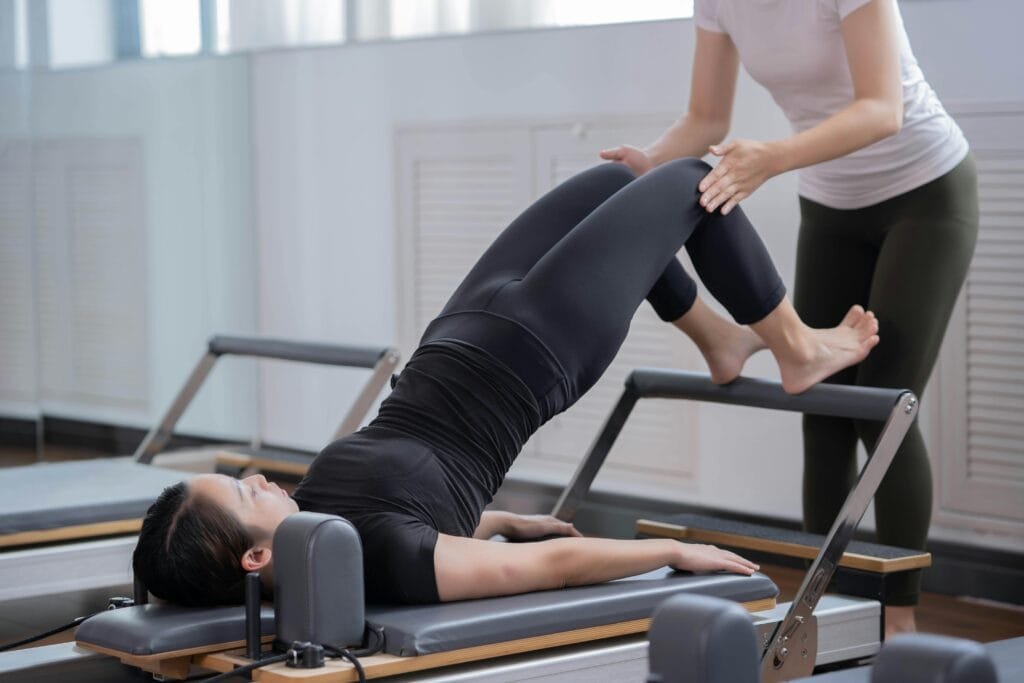
So there you have it. The world of online assisted stretching courses is diverse and filled with exciting opportunities – especially for those in the UK who want to deepen their understanding of flexibility, support their personal well-being, or explore a new path in the health and fitness space.
We’ve covered what you can expect to learn: from human anatomy and the principles behind PNF and loaded stretching, to the essentials of client assessment and movement planning. We’ve broken down the time commitments, clarified prerequisites, and explored the pros and cons of both self-paced and instructor-led formats.
What’s clear is that these courses go far beyond just theory – they require active participation, ongoing practice, and a real commitment to developing skills that can make a meaningful difference in people’s lives. Whether you’re an athlete striving for better performance, a fitness professional expanding your skills, or someone simply looking to move more freely and confidently, there’s a course designed to support your goals.
Remember, investing in your own education and well-being is one of the most empowering decisions you can make. By choosing a reputable, high-quality online assisted stretching certification, you’re not just gaining knowledge – you’re building practical, hands-on skills and the confidence to help others improve their movement and quality of life.
Ready to take that first step toward improved mobility and new professional possibilities? Explore your options today and begin your journey to greater movement freedom.
Discover more about enhancing your flexibility and overall well-being by exploring these related, insightful articles from the StretchMasters blog:
- Get the Most Out of Your Massage: Incorporating Assisted Stretching
- Revolutionize Your Flexibility Routine with Assisted Stretching: The Definitive Guide
- The Science Behind Stretching: What Does It Really Do For Your Body?
References
ASA. Advertising Guidance: Health and beauty. Advertising Standards Authority. Retrieved [July 13, 2025], from https://www.asa.org.uk/type/non_broadcast/code_section/12.html
Behm, D. G., & Chaouachi, A. (2011). A review of the acute effects of static and dynamic stretching on performance. European Journal of Applied Physiology, 111(11), 2633–2651. https://doi.org/10.1007/s00421-011-1879-2. https://pubmed.ncbi.nlm.nih.gov/21373870/
Bryant J, Cooper DJ, Peters DM, Cook MD. The Effects of Static Stretching Intensity on Range of Motion and Strength: A Systematic Review. J Funct Morphol Kinesiol. 2023 Mar 24;8(2):37. doi: 10.3390/jfmk8020037. PMID: 37092369; PMCID: PMC10123604. https://pubmed.ncbi.nlm.nih.gov/37092369/
Calibrae LMS. (2021, March 12). Which is better? Instructor-led or Self-Paced Learning? [Blog post]. Retrieved [July 13, 2025], from https://www.calibrae.com/blogs/instructor-led-or-self-paced
CSP. Continuing Professional Development. Chartered Society of Physiotherapy. Retrieved [July 13, 2025], from https://www.csp.org.uk/professional-clinical/cpd-education/cpd-advice
Healthline. (2025, June 24). Best Equipment for Stretching and Increasing Flexibility at Home. Retrieved [July 13, 2025], from https://www.healthline.com/health/best-equipment-for-stretching-at-home
Schoenfeld BJ, Wackerhage H, De Souza EO. Inter-set stretch: A potential time-efficient strategy for enhancing skeletal muscle adaptations. Front Sports Act Living. 2022 Nov 15;4:1035190. doi:10.3389/fspor.2022.1035190. PMID: 36457663. https://www.researchgate.net/publication/365376180_Inter-set_stretch_A_potential_time-efficient_strategy_for_enhancing_skeletal_muscle_adaptations
Seminars for Health. (n.d.). MASTER SFH™ Assisted Stretching Therapy. Retrieved [July 13, 2025], from https://www.seminarsforhealthcourses.com/courses/assisted-stretching-therapy-online
Sharman, M. J., Cresswell, A. G., & Riek, R. (2006). Proprioceptive Neuromuscular Facilitation (PNF) Stretching: Mechanisms and Clinical Implications. Sports Medicine, 36(11), 929–939. https://doi.org/10.2165/00007256-200636110-00002. https://europepmc.org/article/med/17052131
StretchMasters. StretchMasters® Learning Resources. Retrieved [July 13, 2025], from https://stretchmasters.co.uk/stretchmasters-learning-resources/
StretchMasters. StretchMasters Blog. Retrieved [July 13, 2025], from https://stretchmasters.co.uk/stretchmasters-blog/
ZipRecruiter. Stretch Therapist: What Is It? and How to Become One? Retrieved [July 13, 2025], from https://www.ziprecruiter.com/career/Stretch-Therapist/What-Is-How-to-Become
Disclaimer:
The content on this blog is provided for general information and wellness purposes only. It should not be considered medical advice, diagnosis, or treatment. StretchMasters® services, including assisted stretching, are intended to support overall wellbeing and are not a substitute for professional healthcare guidance. While reasonable care has been taken in preparing and verifying the information presented in this blog, StretchMasters® makes no claims, representations, or guarantees regarding its completeness, accuracy, reliability, suitability or availability with respect to the website or the information, products, services, or related graphics contained on the website for any purpose. This content is intended for general informational purposes only and is not a scientific article. Inconsistencies, inaccuracies, or errors — including in paraphrasing and citation — may be present. Any reliance you place on such information is therefore strictly at your own risk. We strive to ensure that all information is accurate and up to date; however, due to the evolving nature of health research, we cannot guarantee that all content reflects the latest evidence. Additionally, external links shared in blog posts may change, be updated, or become inactive over time without notice. Always consult with a qualified medical professional before starting any new therapy, especially if you have existing health conditions. StretchMasters®, its parent company Skuil Ltd, and affiliated clinics accept no liability for decisions made based on this content. Opinions expressed in individual blog posts are those of the authors and do not necessarily reflect the views or policies of StretchMasters® or its subsidiaries. Any reference to third-party organisations, websites, services, or products is not an endorsement.