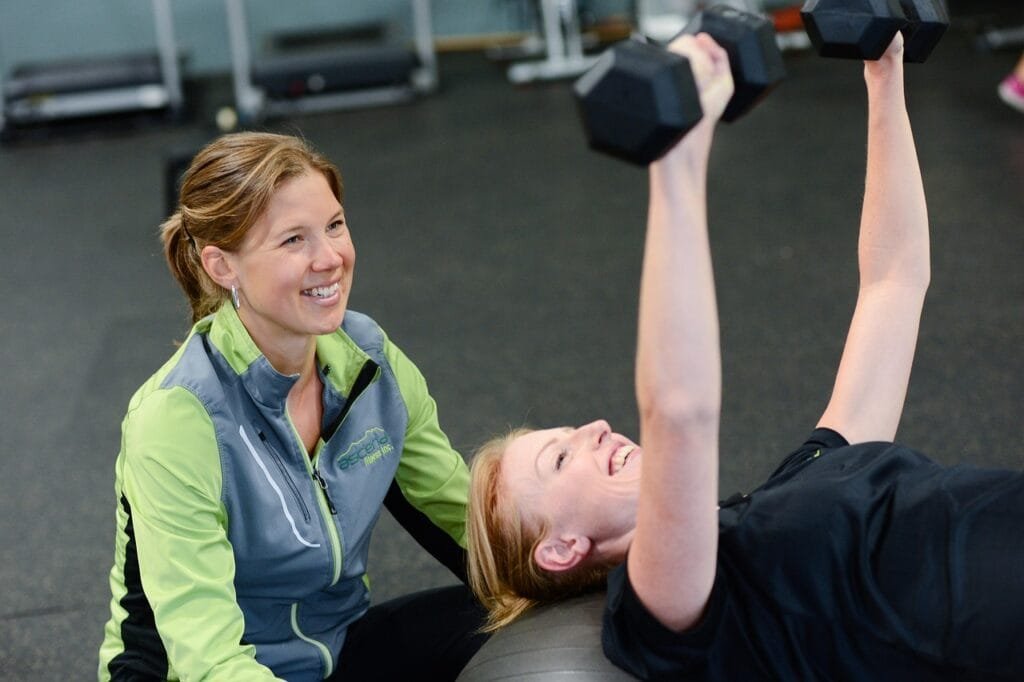
Ever found yourself in the gym, pushing through one more rep, only to feel your muscles pushing back with tightness and fatigue? Or maybe you’re aiming for smoother, stronger movement – where your body feels just as mobile as it is powerful. If your progress feels stuck or your movement restricted, it might be time to look at the missing piece: flexibility.
Assisted stretching isn’t just a warm-up or cooldown add-on. It can be a powerful complement to your strength training routine. When integrated strategically, it may help support mobility, improve movement quality, and even aid recovery between sessions.
This article explores how to strike the right balance between building strength and maintaining range of motion, so you can train with more control, fluidity, and resilience. Whether you’re lifting heavy or just looking to move better, combining assisted stretching with strength training can help unlock your body’s potential. Let’s dive into how this duo works together to support both performance and long-term physical well-being.
What is Assisted Stretching and How Does It Differ from Self-Stretching?
You’ve probably got your go-to self-stretching routine down, right? Reaching for your toes, leaning into a quad stretch against the wall – all solid moves for general flexibility. But assisted stretching operates on a whole different level. This is where a trained professional – or a knowledgeable partner – gently guides your body into stretches that may be difficult to achieve on your own. They apply controlled support and pressure, helping your limbs move through their full range of motion in a way that’s often more focused and precise than solo stretching allows.
Think of it like this: when you self-stretch, your body’s natural protective mechanisms – like the stretch reflex – often limit how far you can safely go. You’re also restricted by your own strength and stability. With assisted stretching, the external support may help your body ease into deeper, more effective positions while staying relaxed and safe. According to Sharman et al. (2006), certain stretching techniques (like proprioceptive neuromuscular facilitation, or PNF) can temporarily reduce resistance to stretch, potentially increasing flexibility.
The key here isn’t about forcing the body – it’s about working intelligently and progressively to help expand your movement capacity. Assisted stretching can be especially useful for individuals with advanced training needs, such as bodybuilders or athletes seeking greater flexibility and control.
| Feature | Self-Stretching | Assisted Stretching |
| Control | Entirely controlled by the individual | Guided by a trained professional or knowledgeable partner |
| Depth | Limited by personal flexibility and comfort | Can achieve significantly deeper, more effective stretches by gently overriding natural protective reflexes |
| Feedback | Internal sensation only | Immediate, external feedback and precise guidance from the assistant, allowing for targeted and safer progression |
| Safety | Generally safe, but risk of overstretching if done incorrectly | Safer when performed by a qualified professional; reduces risk of injury by ensuring proper technique |
| Techniques | Dynamic, static; often less varied | Incorporates a wider range of advanced techniques including PNF, active isolated, and proprioceptive methods |
| Benefit Focus | General flexibility, warm-up/cool-down | Enhanced range of motion, superior muscle activation, accelerated recovery, targeted injury prevention |
Can Anyone Benefit from Assisted Stretching, Regardless of Age or Fitness Level?
In most cases, yes! Assisted stretching isn’t reserved for elite gymnasts or high-performance athletes. Whether you’re a dedicated powerlifter, a busy parent staying active, or someone looking to regain mobility after years of desk work, assisted flexibility training can offer meaningful support for a wide range of movement goals.
For younger, active individuals, it may help improve mobility, support injury prevention, and enhance overall movement efficiency. Imagine more fluid squats with improved hip range or smoother overhead presses thanks to better shoulder flexibility – small changes that can make a big difference to training quality and comfort.
For older adults or those with more sedentary habits, assisted stretching can be a gentle way to promote circulation, reduce stiffness, and maintain independence in daily activities. It may help make movements like reaching, bending, or getting up from a chair feel more accessible and comfortable.
The key is to adapt the approach to suit individual needs and work gradually, with attention to safety and comfort. With consistent practice, many people find assisted stretching to be a supportive addition to their overall wellness routine.
Why Is It Important to Combine Assisted Stretching with Strength Training?
This is where true synergy happens – the kind that can elevate your entire training experience. Strength training is essential for building muscle, increasing power, and supporting metabolic health. But without adequate flexibility and joint range of motion (ROM), you might not only limit your performance – you could also increase the risk of training-related discomfort or compensatory movement patterns (Page, 2012).
Picture this: you attempt a deep squat, but your hip flexors and hamstrings feel tight. The body compensates, often shifting strain to the lower back or knees. Similarly, limited shoulder mobility can make overhead pressing feel restricted or inefficient.
Take Sarah, for example – a committed powerlifter whose squat depth plateaued. After incorporating assisted hip flexor stretching into her routine, she noticed improvements in positioning and comfort. Over time, her range of motion improved, and her lifts felt more fluid.
Integrating assisted stretching with strength training may help to:
• Improve Lifting Technique: Flexible muscles and mobile joints support better form, helping you move through exercises with greater control and biomechanical efficiency.
• Enhance Muscle Activation: A larger ROM allows for more complete muscle engagement, which may contribute to better hypertrophy and strength gains over time.
• Support Athletic Performance: Improved flexibility can enable smoother, more coordinated movement – from sprinting and lifting to dynamic sport-specific actions.
• Promote Resilience: Tight, restricted muscles may increase the risk of strain. By improving flexibility, you may reduce susceptibility to common soft tissue injuries and movement-related discomfort (Behm & Chaouachi, 2011).
Strength training builds the engine – assisted stretching helps that engine run more efficiently. Together, they create a balanced foundation for performance, mobility, and long-term physical well-being.
How Often Should I Incorporate Assisted Stretching into My Strength Training Program?
There’s no strict “one-size-fits-all” answer, as the ideal frequency depends on your personal goals, current mobility levels, and overall training load. That said, here are some general guidelines to help you integrate assisted stretching with strength training in a safe and effective way:
• For General Well-being and Maintenance: 1–2 assisted stretching sessions per week can support overall mobility and comfort, especially when combined with regular strength training.
• For Performance Support and Mobility Enhancement: Athletes or individuals aiming to improve specific movement patterns may benefit from 2-3 weekly sessions, either after workouts or on separate active recovery days.
• For Targeted Issues or Rehab Goals: If you’re managing a specific restriction, muscular imbalance, or recovering from injury, a physiotherapist or qualified professional may recommend a tailored frequency based on your needs. Always follow personalised clinical advice in these situations.
The key to progress is consistency. Even short, regular sessions of assisted stretching can help support improvements in flexibility and movement quality over time. Think of it as a gradual and sustainable addition to your routine – not a quick fix, but a long-term investment in how your body feels and functions.
What Are the Main Benefits of Assisted Stretching for Athletes and Non-Athletes?
Assisted stretching offers benefits that can support performance, comfort, and overall well-being – whether you’re training for a competition or simply aiming to move more freely in everyday life.
For Athletes
Those involved in sports, strength training, or high-intensity exercise may find that assisted stretching helps enhance physical performance and recovery:
• Improved Mobility and Movement Efficiency: Greater range of motion may support better lifting technique, joint alignment, and overall muscular coordination – key contributors to athletic performance.
• Recovery Support: Assisted stretching may promote circulation and help ease post-exercise tension, supporting the recovery process by encouraging nutrient delivery and the removal of metabolic byproducts (Dupuy et al., 2018).
• Injury Risk Reduction: By helping to address muscle imbalances and promoting flexibility, assisted stretching may reduce the likelihood of certain strains or soft tissue injuries when used alongside strength training and mobility work.
For Non-Athletes
The benefits of assisted stretching extend well beyond the gym and can positively affect comfort and function in daily life:
• Easier Everyday Movement: Assisted stretching may help make daily tasks – like bending, reaching, or getting in and out of chairs – feel more comfortable and fluid.
• Postural Support: Regular stretching can help counteract tight muscles that contribute to poor posture, particularly in the upper back, hips, and shoulders.
• Relaxation and Stress Relief: Stretching with a trained practitioner can promote relaxation and reduce muscle tension, offering both physical and mental calm.
• Greater Body Awareness: With regular practice, many people become more attuned to their body’s movement patterns, areas of tightness, and postural habits – supporting better control and injury prevention in the long term.
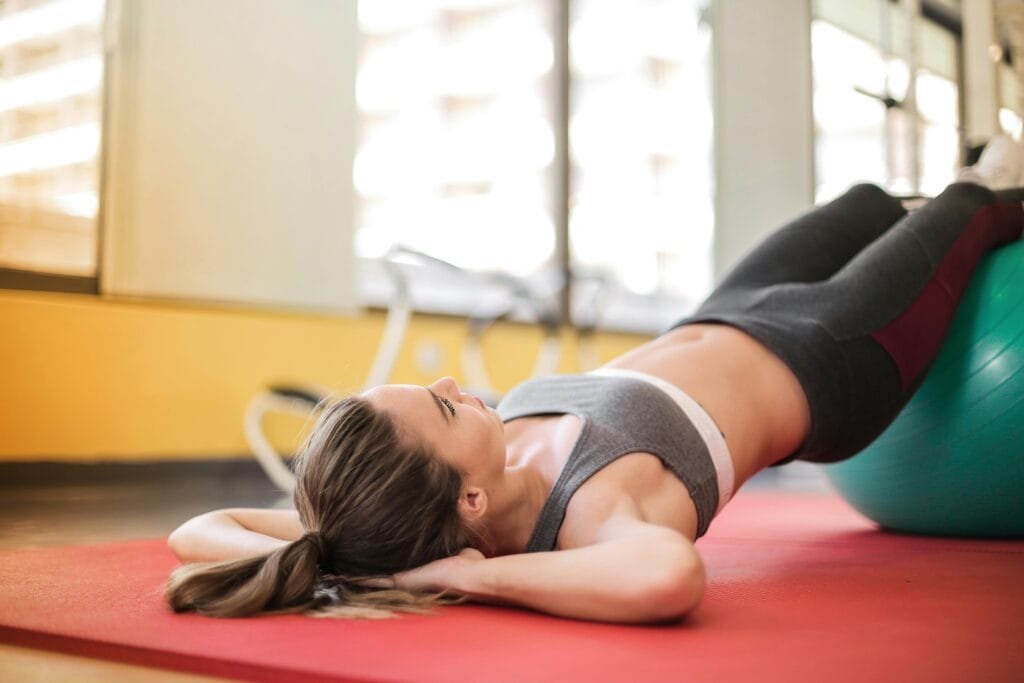
Should Assisted Stretching Be Done Before or After a Strength Workout?
This is a hot topic in fitness circles, and the answer, like most good things in life, isn’t a simple “always before” or “always after.” It depends crucially on the type of stretching and your specific training goals.
- Before a Workout (Dynamic Stretching): Dynamic stretching for weightlifters, which involves moving your body through its full, active range of motion, is generally highly recommended before your strength training session. Its purpose is to gently warm up your muscles, increase blood flow to the working tissues, and effectively prepare your joints for the impending movements, all without compromising your power output (Behm & Chaouachi, 2011). Think smooth leg swings, controlled arm circles, or gentle torso twists. This is precisely where muscle activation before lifting truly comes into its own. For instance, incorporating some assisted hip flexor stretch for squats can expertly prime your lower body for that deep, powerful movement.
- After a Workout (Static and PNF Stretching): Static stretching, where you hold a stretch for a sustained period (typically 20-30 seconds), and PNF (Proprioceptive Neuromuscular Facilitation) stretching, which cleverly combines contracting and then relaxing the muscle, are best performed after your strength workout. At this point, your muscles are warm, pliable, and far more receptive to deeper, more effective lengthening. This strategic timing can significantly aid in post-workout muscle recovery stretches, effectively reduce muscle soreness, and contribute to dramatic improvements in long-term flexibility and range of motion (American College of Sports Medicine, 2011).
| Type of Stretch | Timing | Purpose | Examples |
| Dynamic Stretching | Before Workout | Warm-up muscles, increase blood flow, prepare joints for movement, activate nervous system for lifting | Leg swings, arm circles, torso twists, walking lunges with a twist |
| Static Stretching | After Workout | Improve long-term flexibility, reduce muscle stiffness and soreness, promote relaxation | Held hamstring stretch, quadriceps stretch, shoulder stretch |
| PNF Stretching | After Workout | Achieve the deepest flexibility gains through neuromuscular inhibition, enhance muscle relaxation post-exertion | Contract-relax techniques for hamstrings, chest, or hip flexors (assisted) |
Is Assisted Stretching Safe, and Does It Hurt?
When carried out by a properly trained and qualified professional, assisted stretching is generally considered a safe and effective practice for most individuals. The key is working with someone who has a solid understanding of anatomy, physiology, and appropriate stretching techniques, ensuring that movements are applied in a controlled, respectful manner without exceeding your body’s natural limits.
Think of it like learning to drive a manual car – you wouldn’t start in a Formula 1 racer. Similarly, assisted stretching requires a skilled, attentive practitioner who can guide your body through its range of motion safely and gradually.
Does it hurt? It shouldn’t be painful in the way an injury is. You may feel a strong stretch, tension, or lengthening sensation, but it should never be sharp, forced, or uncomfortable. Most describe the feeling as a “productive intensity” – something you’re aware of, but that still feels safe and controlled.
If you experience discomfort that feels sharp or excessive, it’s important to communicate this immediately. A qualified practitioner will always work within your comfort zone and adjust the technique accordingly. At StretchMasters®, for example, client safety and comfort are central to every session, with adjustments made continuously based on individual response and feedback.
As with any physical activity, assisted stretching may not be suitable for everyone. If you have specific medical concerns or musculoskeletal conditions, consult a healthcare professional before starting a new program.
What Types of Professionals Are Qualified to Provide Assisted Stretching?
When you’re seeking someone to expertly guide you through an assisted stretching session, you want to ensure they possess the highest level of knowledge and skill. Look for professionals with robust certifications and backgrounds in these areas:
- Physiotherapists: These are highly trained healthcare professionals with deep expertise in human anatomy, movement analysis, and rehabilitation. They are exceptional at diagnosing muscle imbalances, treating injuries, and prescribing precisely tailored stretches and exercises, especially crucial for injury prevention and recovery.
- Sports Therapists: Specialists focused on musculoskeletal issues, optimizing performance, and preventing injuries specifically within athletic populations.
- Certified Assisted Stretching Practitioners: Many reputable organizations now offer dedicated certifications for assisted stretching, ensuring practitioners have comprehensive knowledge of techniques, safety protocols, and client assessment. These individuals often excel at partner-assisted stretching moves.
- Qualified Personal Trainers with Advanced Certifications: A growing number of personal trainers pursue additional, rigorous certifications in flexibility, mobility, and advanced stretching techniques, which can include various forms of assisted stretching.
Always, always verify credentials, inquire about their specific experience, and don’t hesitate to ask for client testimonials. A good professional will be transparent about their qualifications and approach, ensuring you feel confident and secure in their hands.
How Does Assisted Stretching Help with Recovery and Injury Prevention?
Assisted stretching can play a supportive role in both post-exercise recovery and injury risk reduction, making it a valuable addition to the routine of anyone engaging in regular strength training or high-intensity exercise.
Recovery Support
Following intense physical activity, it’s common for muscles to feel tight or restricted due to temporary inflammation, the buildup of metabolic byproducts, and normal microtrauma in muscle fibres (a necessary part of the strength adaptation process). Assisted stretching may help by:
• Promoting Circulation: With guided, gentle stretching, blood flow to fatigued muscles may be enhanced. Improved circulation can help deliver oxygen and nutrients to tissues while supporting the removal of waste products – a process that may aid post-exercise recovery (Cheung et al., 2003).
• Reducing Muscle Stiffness and Discomfort: Stretching may help lengthen muscle fibres and promote a sense of ease or reduced tightness. This may contribute to lessened post-exercise discomfort, including symptoms of delayed onset muscle soreness (DOMS), though individual responses can vary.
• Encouraging Relaxation: Beyond physical effects, the hands-on, guided nature of assisted stretching can promote a sense of calm and relaxation, potentially supporting the body’s shift into a parasympathetic “rest and recover” state.
Injury Risk Reduction
Many training-related injuries are associated with poor movement mechanics, muscular imbalances, and limited flexibility. Assisted stretching may help address these contributing factors by:
• Improving Range of Motion (ROM): Increasing joint mobility through safe, guided stretching can support better form during exercise, potentially reducing stress on joints and surrounding tissues.
• Supporting Muscle Balance: Tight, overactive muscles may limit movement efficiency. Assisted stretching can help lengthen these areas, allowing underactive or inhibited muscles to contribute more effectively – a key part of maintaining muscular balance.
• Enhancing Proprioception: Regular stretching, particularly when guided, may improve body awareness and control. This increased proprioception can help reduce the likelihood of awkward or poorly controlled movements, especially under load.
While assisted stretching is not a replacement for physiotherapy or injury treatment, it can be a useful tool when integrated into a broader programme focused on strength, mobility, and body awareness – and is often incorporated into routines by fitness professionals and rehabilitation specialists alike.
What Should I Wear or Prepare for an Assisted Stretching Session?
Thinking about your first assisted stretching session? Great! When it comes to what to wear and how to prepare, think comfort and unrestricted movement. You’ll want to opt for something similar to what you’d typically wear for a gym workout, yoga session, or Pilates class:
- Loose-fitting or athletic clothing: The key is absolutely no restriction! Stretchy, breathable fabrics like leggings, sweatpants, shorts, and comfortable tops are ideal. Avoid anything too stiff or overly baggy that could get in the way.
- Avoid excessive layers: While you want to be comfortable, too many layers can hinder your practitioner’s ability to access your limbs and guide your movements effectively.
- Hydration is key: Make sure you’re well-hydrated before your session. Well-hydrated muscles and tissues are more pliable and responsive to stretching.
- Be ready to communicate: This is perhaps the most important “preparation.” Your practitioner isn’t a mind reader. Be prepared to openly discuss any areas of tightness, previous injuries, current discomfort, or specific goals you have. This vital information allows them to tailor the session perfectly to your unique needs.
Essentially, anything that allows your body to move freely, comfortably, and facilitates a feeling of relaxation will do the trick.
Are There Risks or Conditions Where Assisted Stretching Is Not Recommended?
While generally a safe and highly beneficial practice, it’s important to understand that there are indeed certain situations where assisted stretching might not be recommended, or where it should be approached with extreme caution and under strict medical supervision. It is always advisable to consult with a medical professional – such as your GP or a Physiotherapist – before embarking on any new fitness regimen, especially if you have pre-existing medical conditions or are recovering from an injury.
Conditions where significant caution is advised or where assisted stretching may be explicitly contraindicated include:
- Acute Injuries: If you’ve recently sustained a sprain, strain, fracture, or dislocation, stretching the affected area could worsen the injury or impede healing. Always wait for full medical clearance and significant healing before considering any form of stretching.
- Severe Osteoporosis: In cases of severe bone density loss, the bones can be significantly more fragile, increasing the risk of fractures with certain stretching techniques.
- Hypermobility Syndrome: Individuals who are already excessively flexible (often referred to as “double-jointed”) may not benefit from further aggressive stretching and could potentially destabilize their joints, leading to pain or injury.
- Recent Surgery: Particularly around joints or muscles that would be involved in the stretching. Healing tissues need time and specific rehabilitation.
- Certain Medical Conditions: Specific neurological conditions, vascular conditions (like deep vein thrombosis, DVT), or severe inflammatory conditions might make assisted stretching unsafe or inadvisable.
- Sharp, Sudden Pain: If stretching causes any sharp, shooting, or persistent pain, it must be stopped immediately. Pain is your body’s signal that something isn’t right.
- Acute Inflammation: If there is active, acute inflammation (characterized by redness, heat, swelling, and pain) in a joint or muscle, stretching could exacerbate the inflammatory response.
A truly qualified and ethical assisted stretching professional will always conduct a thorough initial assessment. This vital step helps them to fully understand your medical history, identify any potential contraindications, and determine if assisted stretching is the right, safe, and most beneficial approach for your individual circumstances.
How Does Assisted Stretching Improve Muscle Function and Range of Motion?
This is where the science behind assisted stretching becomes especially fascinating. Improvements in muscle function and range of motion (ROM) arise from a combination of neurological adaptation and changes to the physical properties of muscles and connective tissues.
1. Neurological Adaptation – The Brain-Muscle Connection
Assisted stretching engages key reflexes that help regulate how muscles respond to tension and lengthening:
• Muscle Spindle Desensitisation: Muscle spindles are sensory receptors that detect changes in muscle length and trigger a protective contraction when a stretch is too fast or too far – known as the stretch reflex. Slow, controlled assisted stretching may gradually reduce this sensitivity over time, allowing the body to accept a deeper stretch without triggering resistance (Shrier & Gossal, 2000).
• Golgi Tendon Organ Activation: Golgi Tendon Organs (GTOs), located where muscles connect to tendons, detect excessive tension and respond by promoting muscle relaxation. PNF (Proprioceptive Neuromuscular Facilitation) techniques use a contraction followed by a stretch to engage GTOs, which may help muscles lengthen more safely and effectively (Hindle et al., 2012).
2. Improved Viscoelasticity of Connective Tissues
• Fascia and Tendons: Muscles are surrounded by fascia and anchored by tendons – both of which exhibit viscoelastic properties. With regular, sustained stretching, these tissues may temporarily increase in length, contributing to improved flexibility and tissue pliability (Behm & Chaouachi, 2011).
• Reduced Passive Stiffness: Consistent stretching may also reduce the passive stiffness of muscle-tendon units, making them more compliant and less resistant to movement.
3. Enhanced Joint Health and Movement Fluidity
• Moving joints through their full range of motion during assisted stretching can stimulate the production of synovial fluid, which lubricates joint surfaces. This can support smoother, more efficient joint motion and may help reduce stiffness over time.
In summary, assisted stretching works by both encouraging neurological adaptations that allow for more comfortable muscle lengthening and by improving the flexibility of soft tissues. This combination may support enhanced range of motion and muscle function – both in athletic performance and in daily movement.
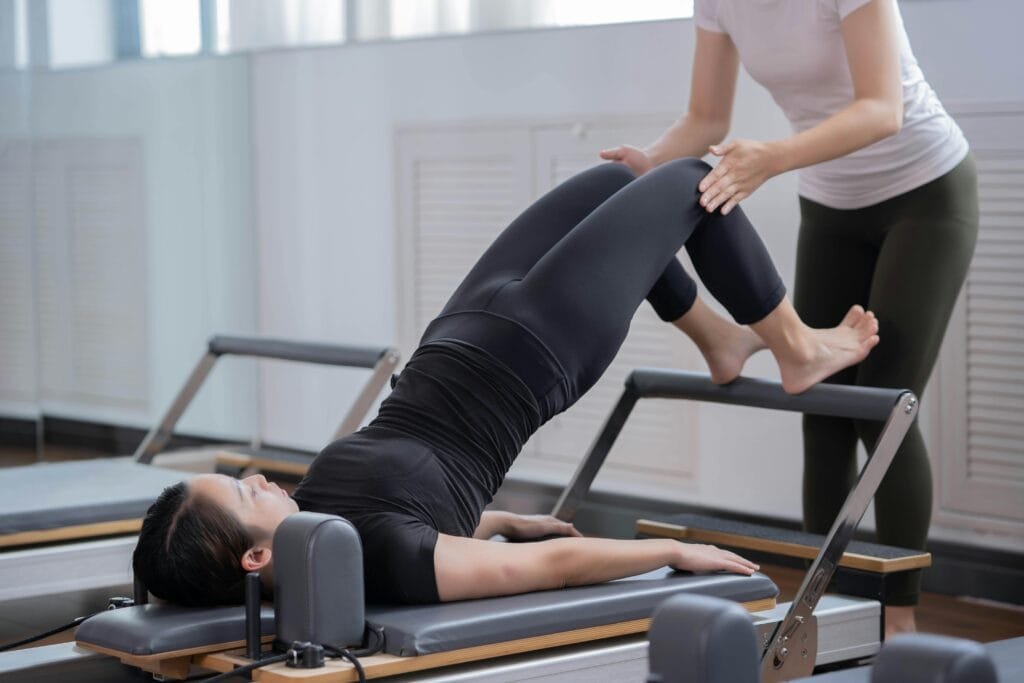
Can Assisted Stretching Help with Posture and Alignment?
It can certainly play a supportive role. Poor posture is often the result of long-standing muscle imbalances – where some muscles become overly tight and shortened, while others are underused or weakened. A common example is the classic “desk posture”: rounded shoulders, a forward head position, and tight hip flexors from prolonged sitting.
Assisted stretching may help address these postural imbalances in several ways:
• Lengthening Tight Muscles: With the help of a trained practitioner, assisted stretching can gently target commonly shortened muscles—such as the pectorals, hip flexors, and hamstrings – encouraging greater range of motion. This may contribute to a more balanced and upright posture, and help reduce unnecessary strain during daily movements.
• Improving Soft Tissue Mobility: While research is still emerging, some assisted stretching techniques may help promote mobility in fascia and surrounding connective tissues, supporting freer and more efficient movement.
• Enhancing Body Awareness: During assisted sessions, practitioners often use gentle verbal cues and tactile feedback to help you tune into your alignment. Over time, this improved proprioception (your body’s sense of its position in space) may support better posture and more mindful movement throughout the day.
While assisted stretching alone isn’t a replacement for strength training or physiotherapy, it can be a helpful component of a well-rounded strategy to support postural health – especially when paired with exercises that strengthen underactive muscles and encourage proper movement patterns.
What is PNF (Proprioceptive Neuromuscular Facilitation) Stretching?
PNF stretching is a more advanced flexibility technique that combines passive stretching with isometric (static) muscle contractions. It’s often used by athletes, physiotherapists, and movement professionals to help improve range of motion and support muscular control.
While it may sound complex, the process is relatively simple and structured. Here’s how assisted PNF stretching generally works:
- Passive Stretch: A partner or practitioner gently moves your limb into a comfortable stretch – just until you feel tension, but not pain.
- Isometric Contraction: You then contract the muscle being stretched (without changing the joint position) for about 5–10 seconds by pushing gently against the resistance provided. This step activates neuromuscular mechanisms, such as the Golgi Tendon Organs, which may reduce muscle tension during the following stretch phase.
- Relax and Deepen: After the contraction, you relax the muscle fully, and the assistant carefully guides the limb into a slightly deeper stretch.
This “contract-relax” method is commonly used to support flexibility improvements, particularly in areas that feel chronically tight or restricted. Some studies (e.g., Hindle et al., 2012) suggest that PNF techniques may offer short-term improvements in range of motion, sometimes beyond what static stretching alone provides.
That said, PNF stretching is more intense than standard stretching techniques, so it should be performed cautiously and preferably under guidance – especially if you’re new to the method or have any joint, muscular, or neurological concerns.
What is the Difference Between Static, Dynamic, and PNF Stretches in Assisted Sessions?
In assisted flexibility training, you’ll often come across three primary stretching types – each with distinct applications and benefits. Here’s a breakdown of how they differ and when they’re typically used:
- Static Stretching:
This is the most familiar form of stretching. A muscle is gently taken to the point of mild tension and held there for 20-60 seconds. In assisted sessions, a practitioner helps guide and maintain the stretch in a safe and supportive way. Static stretching is commonly used after workouts to support recovery, reduce muscular stiffness, and gradually improve passive range of motion over time. It’s the classic “reach and hold” approach enhanced with expert technique and alignment support. - Dynamic Stretching:
Unlike static stretching, dynamic stretching involves controlled, active movement through a joint’s full range of motion. In an assisted setting, a practitioner may move your limbs rhythmically – such as with gentle leg swings, arm circles, or trunk rotations – gradually increasing the motion range with each repetition. This style is especially useful during warm-ups, helping to prepare muscles for activity, enhance circulation, and promote functional mobility for activities like lifting, running, or sports. - • PNF Stretching (Proprioceptive Neuromuscular Facilitation):
PNF is a more advanced method that combines an isometric muscle contraction with a follow-up passive stretch. In an assisted session, you’ll first contract the targeted muscle while your partner resists, then relax it as they guide you into a deeper stretch. This process may engage neuromuscular mechanisms that support greater flexibility. While evidence suggests PNF may offer short-term improvements in range of motion, it’s more intensive than other methods and is best performed under the guidance of a trained professional. - Each of these techniques offers value depending on your goals – whether it’s enhancing athletic performance, supporting recovery, or improving overall mobility. The most effective approach often involves a thoughtful combination of all three, tailored to your individual needs.
| Stretch Type | Description | Best Time to Use | Primary Benefit |
| Static | Holding a stretched position for an extended, passive duration (e.g., 20-60 seconds). | After workout, cool-down, dedicated flexibility sessions | Increased passive range of motion, reduced muscle stiffness, relaxation, improved recovery |
| Dynamic | Controlled, fluid movements through the full range of motion (no sustained hold). | Before workout (warm-up), preparing for sport-specific activities | Improved mobility, enhanced muscle activation, joint lubrication, functional flexibility |
| PNF | Combines an isometric muscle contraction followed by a deeper passive stretch, utilizing neurological reflexes. | After workout, targeted flexibility work, rehabilitation | Rapid gains in flexibility, neurological re-education, superior muscle relaxation |
For lifters seeking effective assisted stretch routines, a smart approach often includes dynamic movements before training to prepare the body, followed by a combination of static and PNF techniques afterwards to support flexibility and recovery. This balanced strategy can help enhance mobility, improve post-workout comfort, and contribute to overall performance when applied consistently and safely.

How Does Assisted Stretching Improve Flexibility and Aid Injury Recovery?
Assisted stretching may play a helpful role in improving flexibility and supporting recovery from certain musculoskeletal injuries, particularly when integrated into a programme overseen by a qualified healthcare or movement professional.
Improving Flexibility
Assisted stretching enables deeper, more controlled muscle lengthening than many individuals can achieve alone. This can support the flexibility of both muscle fibres and surrounding soft tissues such as fascia and tendons (Gajdosik, 2005). With professional guidance, assisted stretching may:
• Reduce Resistance to Stretching: By applying a slow and steady stretch, a practitioner may help reduce the intensity of the body’s protective stretch reflex, allowing the muscle to relax more fully during the movement.
• Target Specific Muscle Groups: Certain muscles can be difficult to isolate during self-stretching. A trained assistant can position the body and apply targeted pressure to encourage more precise and effective engagement.
• Improve Soft Tissue Tolerance: With consistent practice, assisted stretching may gradually improve the extensibility of muscles and soft tissues, potentially leading to improved range of motion over time.
Supporting Injury Recovery
After an injury – especially to muscles, tendons, or joints – reduced flexibility and joint stiffness are common. When included as part of a broader rehabilitation strategy, and only when deemed appropriate by a qualified practitioner, assisted stretching may offer the following benefits:
• Support Range of Motion Recovery: Gentle stretching may help reduce post-injury stiffness and support the gradual return of movement to the affected area.
• Facilitate Functional Tissue Healing: While more research is needed, some clinical models suggest that early, controlled stretching may support the alignment of healing tissues, promoting better long-term function.
• Alleviate Muscle Tension: Assisted stretching may reduce sensations of tightness or guarding by encouraging relaxation in surrounding muscles, making it easier to engage in other rehabilitation activities.
• Reduce Risk of Re-Injury: When performed regularly and appropriately, assisted stretching may support movement patterns and flexibility that contribute to more balanced loading, which in turn may help reduce the likelihood of recurring issues.
It’s important to note that assisted stretching should never be used as a substitute for appropriate clinical assessment or physiotherapy. For those recovering from injury, all stretching interventions should be guided by a professional with expertise in musculoskeletal care to ensure they’re safe, appropriate, and tailored to individual needs.
Which Products or Tools Best Support Assisted Stretching Routines at Home or Gym?
While the gold standard for assisted stretching is undoubtedly a qualified professional, there are some fantastic tools you can use to complement your flexibility journey and maintain your gains between professional sessions, whether you’re at home or in the gym:
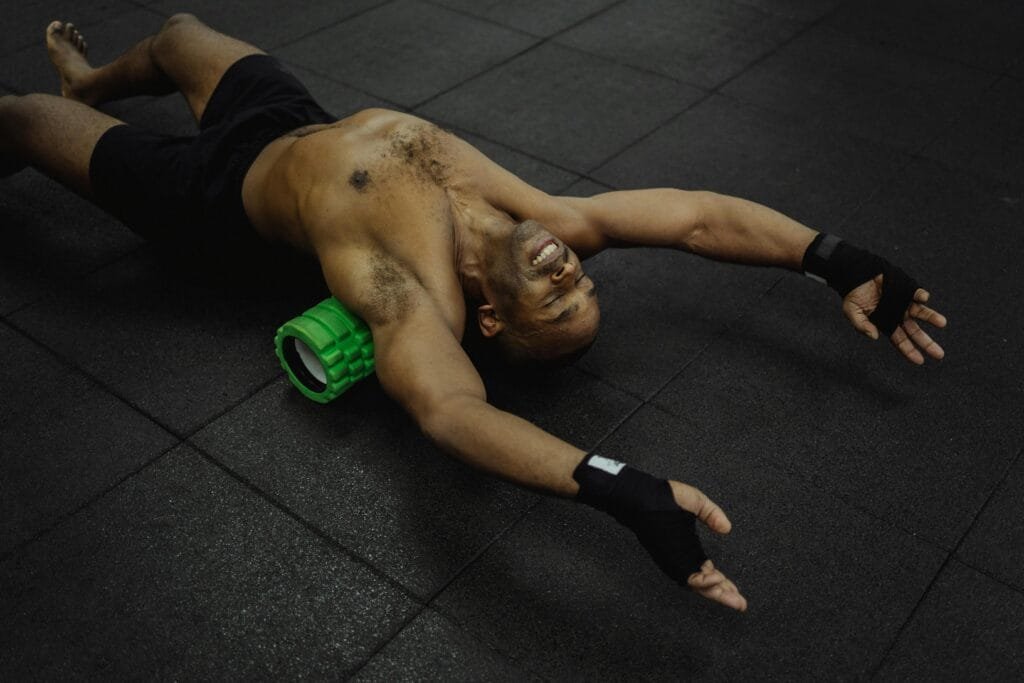
- Foam Rollers: These versatile cylinders are excellent for self-myofascial release. By applying pressure to tight areas, they help to break up muscle knots (adhesions) and significantly improve tissue mobility and blood flow both before and after stretching. Think of it as a DIY deep tissue massage.
- Massage Balls (e.g., Lacrosse Balls): More targeted than foam rollers, these smaller, denser balls are perfect for digging into specific, deeper muscle knots in areas like the glutes, shoulders, traps, or the soles of your feet. They allow for pinpoint pressure.
- Resistance Bands/Stretching Straps: These are truly fantastic for extending your reach and providing controlled, safe tension during self-assisted stretches. For example, you can use a strap to gently pull your leg higher in a hamstring stretch, or a resistance band to assist with shoulder mobility drills.
- Yoga Blocks/Bolsters: These firm, supportive props can provide elevation and and stability, making certain stretches more accessible and comfortable, allowing you to relax deeper into the position. They’re great for supporting your head, hips, or knees.
- TheraCane/Back Hook Massagers: For those notoriously tricky spots on your upper back, shoulders, or neck that are almost impossible to reach on your own, these tools provide a literal helping hand, allowing you to apply pressure exactly where it’s needed.
It’s crucial to remember that while these tools are incredibly helpful, they don’t replace the profound benefits, targeted expertise, and safety offered by professional assisted stretching therapy for athletes or dedicated flexibility sessions. Instead, they serve as excellent complements, helping you maintain flexibility and address daily tightness between your professional appointments. You can easily find many of these at reputable fitness retailers or online.
How Can I Incorporate Assisted Stretching into My Regular Strength Training Program to Maximize Results?
Okay, you’re convinced – the synergy of assisted stretching and strength training sounds like precisely what your body needs. But how do you seamlessly weave this into your already packed strength training routine without it feeling like another overwhelming chore? Here’s a practical, actionable approach on how to combine stretching and strength workouts to truly maximise your results:
Strategic Scheduling for Maximum Impact:
Post-Workout Powerhouse: The most common and often most effective strategy is to schedule your dedicated assisted stretching sessions after your main strength workouts. At this point, your muscles are already warm, pliable, and highly receptive to deeper, more lasting stretches. This is the ideal time for post-workout assisted stretching techniques to aid recovery and boost flexibility.
Dedicated Recovery Days: If you have specific, ambitious flexibility goals or significant mobility limitations you’re actively trying to overcome, consider dedicating a separate day or two solely to assisted flexibility training. This allows for a deeper, more focused session without the fatigue of heavy lifting, ensuring your full attention is on lengthening and mobility.
A Targeted, Precision Approach:
Identify Your Roadblocks: Work closely with your assisted stretching professional to pinpoint your specific areas of tightness or restriction that are genuinely hindering your lifts or daily movement. For example, if you consistently struggle with achieving sufficient depth in your squats, prioritise assisted hip flexor stretch for squats and targeted ankle mobility work. If your overhead press feels restricted, focus on shoulder external rotation and thoracic spine mobility.
Prioritise Smartly: You don’t necessarily need to stretch every single muscle group in every session. Focus your efforts on the muscle groups you’ve just intensely worked during your strength session, or on those notorious areas known to be chronically tight for lifters (e.g., hamstrings, hip flexors, pectorals, lats).
Integrate Dynamic Warm-ups Religiously:
Even if you’re regularly receiving professional assisted stretching, always include a robust dynamic stretching routine as a non-negotiable part of your warm-up before lifting. This primes your muscles, lubricates your joints, and activates your nervous system for the work ahead. Think active stretching for strength – movements like controlled leg swings, walking lunges with twists, and arm circles.
Consistency Over Sheer Intensity (Especially at First):
Begin with shorter, more frequent assisted stretching sessions if necessary, and gradually increase the duration or intensity as your body adapts and your flexibility improves. Even 15-20 minutes of focused, high-quality assisted stretching can yield remarkable long-term differences. It’s the steady drip that fills the bucket, not the sudden flood.
Always Listen to Your Body, Always Communicate:
This cannot be stressed enough. Your body is unique, and its signals are paramount. Always openly communicate with your assisted stretching practitioner. If something feels off, uncomfortable, or painful, speak up immediately. A professional will always adjust the stretch to ensure your safety and comfort.
Complement with Active Self-Care:
Between your professional assisted sessions, continue with regular self-stretching and dedicated foam rolling or massage ball work. These active self-care practices are invaluable for maintaining the hard-earned gains from your assisted sessions and addressing any daily tightness that creeps in. For more practical tips on seamless integration, be sure to explore the insightful articles on the StretchMasters® blog.
By thoughtfully integrating assisted stretching into your training routine, you’re not just ticking another box – you’re adopting a more balanced approach that can complement your strength gains, support improved lifting form, and contribute to overall injury risk reduction. This kind of synergy encourages the development of a body that is not only strong and capable, but also adaptable, mobile, and better equipped to meet the demands of daily life and training.
Conclusion
So, there you have it. The secret to a truly elite physique and boundless movement isn’t just about how much you lift; it’s profoundly about how well you move, recover, and avoid injury. Combining assisted stretching with strength training isn’t merely a passing fitness trend; it’s a powerful, scientifically-backed strategy for unlocking your absolute full physical potential. This holds true whether you’re relentlessly chasing new personal bests in the gym, striving for peak athletic performance, or simply aiming for a more comfortable, active, and pain-free life.
From dramatically deepening your squats and perfecting your overhead press to accelerating your recovery and significantly reducing your risk of frustrating setbacks, the multifaceted benefits are undeniably clear. Assisted stretching, when expertly performed by a qualified professional, extends far beyond what you can achieve on your own, intelligently expanding your range of motion and profoundly improving every aspect of your muscle function. It’s about cultivating a body that is not merely strong, but also fluid, incredibly resilient, and primed to move with unparalleled freedom and power.
If you’re ready to shatter those stubborn plateaus, move with remarkable ease, and truly invest in your long-term physical well-being, now is the time to experience how assisted stretching can unequivocally supercharge your entire strength training journey. Why not explore a local StretchMasters® studio or connect with a certified professional today and discover the transformative difference for yourself? Your body – and your future performance – will undoubtedly thank you for it.
Related Reads from Stretchmasters:
- The Best Times to Incorporate Assisted Stretching into Your Day
- How to Create an Assisted Stretching Program for Your Gym: Unlock Your Members’ Full Potential
- The Top 5 Myths About Assisted Stretching Debunked
References
American College of Sports Medicine. (2011). ACSM’s Guidelines for Exercise Testing and Prescription (8th ed.). Lippincott Williams & Wilkins.
Behm, D. G., & Chaouachi, A. (2011). A review of the acute effects of static and dynamic stretching on performance. European Journal of Applied Physiology, 111(11), 2633–2651. https://doi.org/10.1007/s00421-011-1879-2
Cheung, K., Hume, P. A., & Maxwell, L. (2003). Delayed onset muscle soreness: Treatment strategies and performance factors. Sports Medicine, 33(2), 145–164. https://doi.org/10.2165/00007256-200333020-00005
Dupuy, O., Douzi, W., Theurot, D., Bosquet, L., & Dugué, B. (2018). An Evidence-Based Approach for Choosing Post-exercise Recovery Techniques to Reduce Markers of Muscle Damage, Soreness, Fatigue, and Inflammation: A Systematic Review With Meta-Analysis. Frontiers in Physiology, 9, 403. https://doi.org/10.3389/fphys.2018.00403
Gajdosik, R. L. (2005). Passive extensibility of skeletal muscle: Review of the literature with clinical implications. Clinical Biomechanics, 20(9), 875–889. https://pubmed.ncbi.nlm.nih.gov/11222927/
Hindle, K. B., Whitcomb, T. J., Briggs, W. O., & Zimmerman, E. (2012). Proprioceptive Neuromuscular Facilitation (PNF): Its Mechanisms and Effects on Range of Motion and Muscular Function. Journal of Human Kinetics, 31, 105–113. https://pubmed.ncbi.nlm.nih.gov/23487249/
Page, P. (2012). Current concepts in muscle stretching for exercise and rehabilitation. International Journal of Sports Physical Therapy, 7(1), 109–119. https://www.ncbi.nlm.nih.gov/pmc/articles/PMC3273886/
Sharman, M. J., Cresswell, A. G., & Riek, R. F. (2006). Proprioceptive Neuromuscular Facilitation (PNF) Stretching. Sports Medicine, 36(11), 929–939. https://doi.org/10.2165/00007256-200636110-00002
Shrier, I., & Gossal, D. (2000). Myths and truths of stretching: individualized recommendations for healthy muscles. The Physician and Sportsmedicine, 28(8), 57-67. https://pubmed.ncbi.nlm.nih.gov/20086656/
Disclaimer:
The content on this blog is provided for general information and wellness purposes only. It should not be considered medical advice, diagnosis, or treatment. StretchMasters® services, including assisted stretching, are intended to support overall wellbeing and are not a substitute for professional healthcare guidance. While reasonable care has been taken in preparing and verifying the information presented in this blog, StretchMasters® makes no claims, representations, or guarantees regarding its completeness, accuracy, reliability, suitability or availability with respect to the website or the information, products, services, or related graphics contained on the website for any purpose. This content is intended for general informational purposes only and is not a scientific article. Inconsistencies, inaccuracies, or errors — including in paraphrasing and citation — may be present. Any reliance you place on such information is therefore strictly at your own risk. We strive to ensure that all information is accurate and up to date; however, due to the evolving nature of health research, we cannot guarantee that all content reflects the latest evidence. Additionally, external links shared in blog posts may change, be updated, or become inactive over time without notice. Always consult with a qualified medical professional before starting any new therapy, especially if you have existing health conditions. StretchMasters®, its parent company Skuil Ltd, and affiliated clinics accept no liability for decisions made based on this content. Opinions expressed in individual blog posts are those of the authors and do not necessarily reflect the views or policies of StretchMasters® or its subsidiaries. Any reference to third-party organisations, websites, services, or products is not an endorsement.