
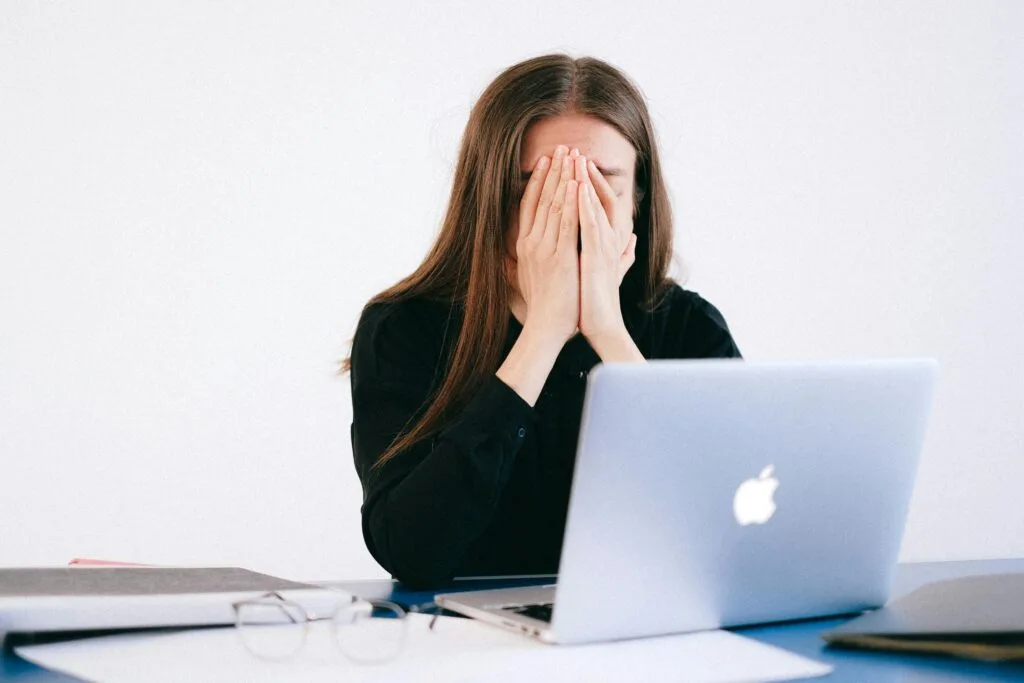
Please note: If you are in urgent need of mental health support, contact your GP or your local Samaritans or other suitable Healthcare Practitioner. If you’re under 19, you can also call and speak confidentially to Childline. Assisted stretching is a good way to help you relax and manage stress, but it cannot take the place of professional mental health care. If you often feel stressed, anxious, or depressed, it’s important to speak with your doctor or a licensed mental health professional. They can offer the help and support you need. Don’t hesitate to reach out for professional guidance. You can also reach out to charities and organisations that offer confidential support. Also read our disclaimer at the end of this article.
The relentless pace of modern life, often feels like a constant juggling act. Between work deadlines, family life, and the endless stream of notifications, it’s no wonder we feel stretched thin. This isn’t just a figure of speech; the mental stress we carry often manifests as physical tension – that tight knot in your shoulders, the persistent ache in your lower back. For many, this physical discomfort is a constant, nagging reminder of their mental load. We spend a lot of time and energy focusing on our mental health, from therapy to mindfulness apps, and rightly so. But what if one of the most powerful tools for a calmer mind was right there in front of us, in the connection between our body and mind?
This is where assisted stretching comes into the picture. It’s not just about improving flexibility or recovering from a workout. It’s a deliberate, hands-on practice designed to release physical tension, which in turn can create a profound sense of mental and emotional relief. It’s a space where you can consciously let go of the day’s stresses and allow your body to be a vehicle for relaxation, not just a vessel for carrying tension.
In this comprehensive guide, we’ll delve deep into the world of assisted stretching and its specific benefits for your mental health. We’ll explore the science behind this powerful practice, from how it calms your nervous system to its role in managing stress and anxiety. By the end, you’ll have a clear understanding of why a dedicated stretching session could be the missing piece in your wellness routine.
What Exactly Is Assisted Stretching? A Deeper Look
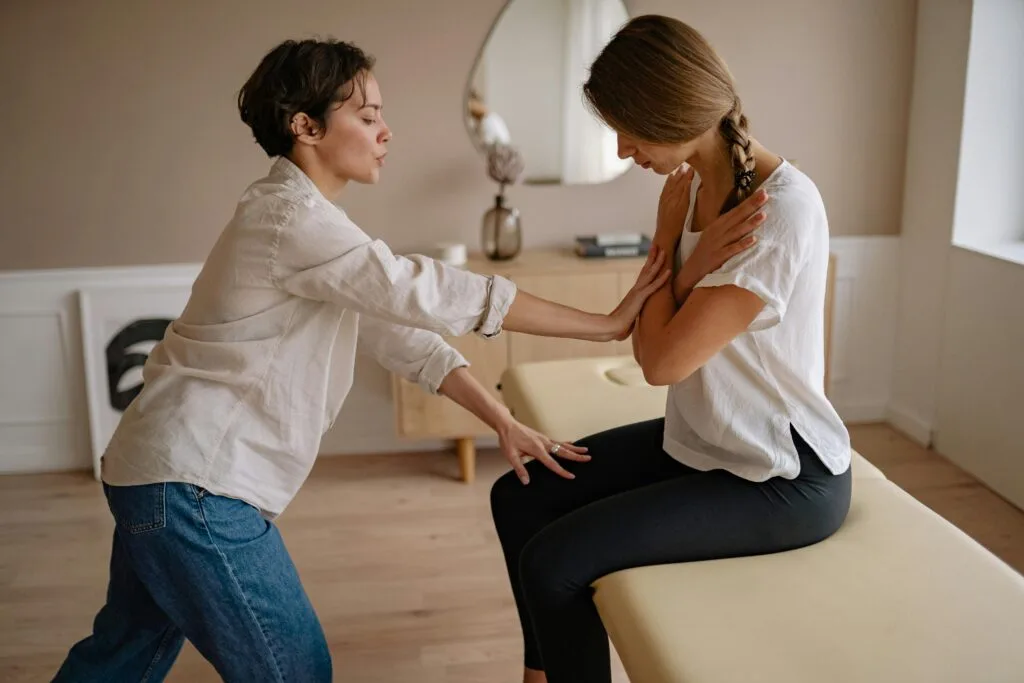
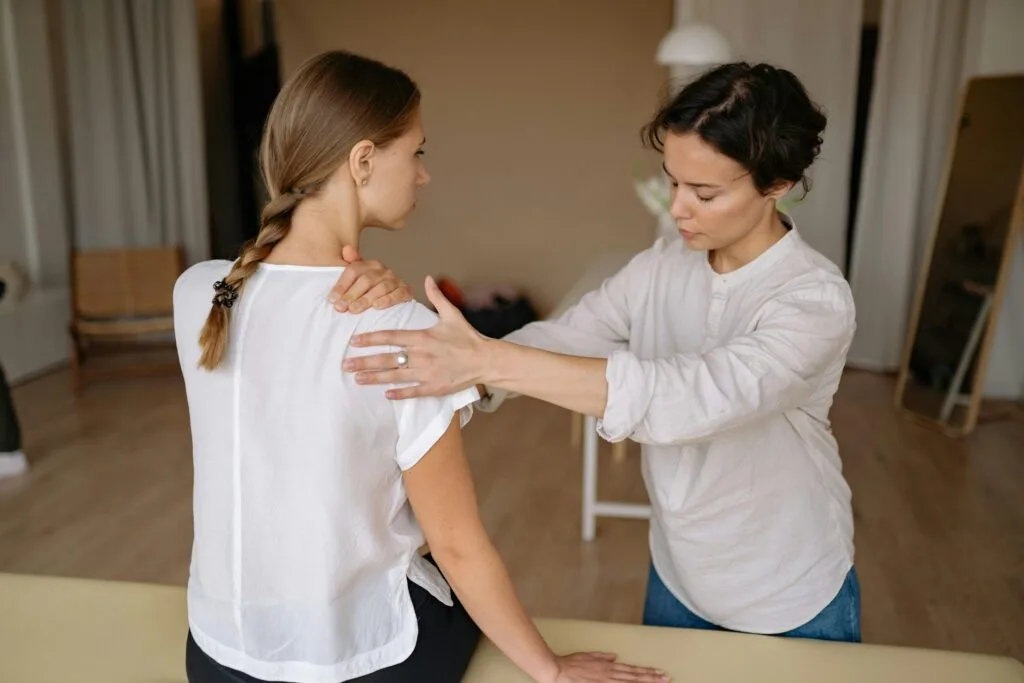
At its core, assisted stretching is a one-on-one session with a trained stretch therapist or practitioner. Unlike self-stretching, where you rely on your own strength and body weight, a therapist applies gentle, controlled pressure to guide your body into deeper, more effective stretches. This partnership is crucial. Your body has a natural protective mechanism called the stretch reflex that limits how far you can go on your own to prevent injury. A skilled practitioner understands this reflex and works with it, not against it, allowing your muscles to truly relax and lengthen.
Think of it like this: your nervous system is like a highly sensitive security alarm. When you try to force a deep stretch on your own, the alarm might go off, causing your muscles to tense up and resist. A stretch therapist, however, provides a safe environment and uses specific techniques to tell your nervous system that everything is okay. This communication is key to achieving a level of release that’s often impossible on your own. It’s a highly tailored experience where the practitioner identifies and addresses your specific areas of tightness, leading to a much more focused and beneficial outcome.
| Feature | Self-Stretching | Assisted Stretching |
| Technique | Performed alone, relying on your own strength and body weight. | A trained practitioner uses gentle pressure and movement to guide you. |
| Depth of Stretch | Limited by the body’s natural stretch reflex and your own strength. | Allows for a significantly deeper, more effective stretch. |
| Focus | Often general, a part of a warm-up or cool-down routine. | Highly targeted and tailored to your specific physical imbalances and needs. |
| Knowledge | Requires personal knowledge of proper form to avoid injury. | Benefits from the practitioner’s deep expertise in anatomy and physiology. |
| Mental Component | Can be relaxing, but the focus is primarily on the physical action. | The hands-on, guided nature promotes a profound state of relaxation and mindfulness. |
The Body-Mind Connection: The Scientific Proof
You might be thinking, “This all sounds good for my muscles, but how does it actually impact my brain?” The link is stronger than you might imagine. Assisted stretching works by influencing your central nervous system, hormone production, and emotional regulation, providing a tangible pathway to improved mental health.
Hacking Your Nervous System: From Fight or Flight to Rest and Digest
Our autonomic nervous system (ANS) is the command centre for our involuntary bodily functions. It has two main divisions: the sympathetic nervous system (our “fight-or-flight” response) and the parasympathetic nervous system (our “rest and digest” mode). When we’re under stress, our sympathetic system kicks in, increasing our heart rate, breathing, and muscle tension. This is a natural survival mechanism, but when it’s constantly activated by the stresses of daily life, it can lead to chronic tension, anxiety, and burnout.
Assisted stretching can act as a powerful reset button for your nervous system. The slow, rhythmic, and intentional movements, combined with the focused breathing of a session, signal to your body that it’s safe to relax. This deliberate practice activates the parasympathetic nervous system, shifting your body out of a state of high alert. This is known as the relaxation response, a term coined by Dr. Herbert Benson, which describes a state of deep rest that changes the body’s physical and emotional responses to stress (Benson & Beary, 1974). The Relaxation Response is an effective mind/body approach to relieving stress that activates the parasympathetic nervous system. This shift is a key driver of the mental health benefits of stretching.
Studies have found that workplace stretching exercises significantly reduced perceived stress and burnout among employees, highlighting the direct impact of physical release on mental state (Moore, 1998; Bretland & Thorsteinsson, 2015). The guided nature of assisted stretching can take this effect even further by providing a dedicated space to fully surrender to the process.
The Endorphin & Serotonin Effect: Nature’s Antidepressants
You know that feeling of calm satisfaction after a good workout? That’s your body’s natural pharmacy at work. Stretching, like other forms of exercise, has been shown to stimulate the release of endorphins, which are natural mood elevators and painkillers (Francis, 1983; Thorén et al., 1990; Dinas et al., 2011). These “feel-good” hormones can help to reduce pain perception and produce a mild sense of euphoria and well-being.
Furthermore, regular physical activity, including structured stretching, is a well-established way to boost levels of serotonin. This neurotransmitter is crucial for regulating mood, sleep, and appetite. While stretching’s direct effect on serotonin is part of a broader body of research on exercise and mood, the link between physical movement and a chemical lift is clear (Dunn, 2021). By incorporating assisted stretching into your routine, you are effectively using movement to encourage the production of these vital neurotransmitters, supporting your emotional well-being from the inside out.
The Direct Mental Health Benefits of Assisted Stretching
Let’s dive into some of the specific mental health concerns that assisted stretching can help to address.
Stretching for Stress and Anxiety Relief
Chronic stress and anxiety are often held in the body as physical tension, leading to a vicious cycle. The physical symptoms – tight shoulders, a sore back, a clenched jaw – create a constant feedback loop that signals danger to the brain, perpetuating feelings of stress. By releasing this tension through targeted stretches, you are physically breaking that cycle. Holistic stretch therapy aims to treat the whole person, recognising that the physical release of tension is inseparable from the emotional relief it brings. During an assisted session, the focus on slow, deep breathing and the practitioner’s gentle touch can help calm the nervous system, providing a powerful and immediate sense of stress relief stretching.
Stretching for Depression and Mood Improvement
While stretching is not a substitute for clinical treatment, it can be a valuable complementary tool in managing symptoms of mild to moderate depression and improving overall mood. The act of a session, with its focus on the body and breath, provides a welcome distraction from negative thought patterns. The sense of physical relief and the release of endorphins can offer a much-needed lift. The hands-on, supportive nature of working with a practitioner also provides a positive social interaction, which is a crucial element in combating feelings of isolation often associated with depression. Studies on yoga, a practice rich in stretching and mindful movement, have demonstrated its effectiveness in reducing symptoms of depression, showing a clear link between guided physical movement and mental health outcomes (Balasubramaniam et al., 2012).
Stretching for Better Sleep and Cognitive Function
A restless night can wreak havoc on your mental state, leading to fatigue, poor concentration, and irritability. The physical and mental relaxation induced by assisted stretching makes it an excellent preparation for sleep. By activating the parasympathetic nervous system, you’re telling your body it’s time to wind down. Research demonstrates that structured physical interventions, including stretching and mindfulness practices, can significantly improve sleep quality in older adults. A systematic review and meta-analysis found that physical exercise programs improved Pittsburgh Sleep Quality Index scores by -2.49 points compared to controls, with significant improvements in sleep efficiency (Solis-Navarro et al., 2023). Studies have found that a regular stretching program improved sleep quality in older adults, and these findings can be applied to anyone struggling with a restless mind. Specific stretching interventions show promise, with self-stretching exercises before sleep significantly reducing nocturnal leg cramp pain and improving sleep quality scores in older adults (Shinde et al., 2025). Yoga interventions have proven particularly effective, with 12 weeks of at yoga classes improving overall sleep quality, efficiency, latency, and duration while reducing fatigue, depression, and anxiety in older adults with insomnia (Halpern et al., 2014).
Furthermore, the mindful focus required during a session can have a positive impact on your cognitive function. The act of tuning into your body and the sensations of the stretch is a form of mindfulness. This practice helps to improve focus and attention, providing a mental break from the constant noise and distractions of daily life.
Techniques, Safety, and Finding a Practitioner
Common Techniques Used in Assisted Stretching
A skilled practitioner won’t just yank your limbs around; they will use a variety of techniques to achieve a safe and effective stretch. One of the most common and powerful methods is Proprioceptive Neuromuscular Facilitation (PNF) stretching. This technique involves a short, gentle muscle contraction followed by a deep, passive stretch. This combination helps to “turn off” the stretch reflex, allowing the muscle to lengthen more effectively (Sharman et al., 2006).
Another key technique is Myofascial Release. This method targets the fascia, a web of connective tissue that wraps around our muscles and organs. When fascia becomes tight or restricted from stress or injury, it can cause widespread pain and limited mobility. A practitioner uses sustained, gentle pressure to release these restrictions, which can have a profound impact on physical and emotional well-being. Research demonstrates that myofascial release (MFR) effectively reduces pain, improves sleep, and alleviates psychological symptoms in fibromyalgia patients (Ahmad et al., 2025). A randomized controlled trial by Castro-Sánchez et al. (2010) found that MFR therapy significantly improved pain, anxiety, sleep quality, depression, and quality of life immediately after treatment and at one month follow-up compared to placebo, with sleep improvements persisting at six months.
Is Assisted Stretching Safe for Mental Health Conditions?
For most individuals, assisted stretching is a safe, low-risk activity. However, if you have a pre-existing mental health condition, it is imperative to consult with your GP or mental health professional before starting a new wellness routine. A qualified practitioner will always conduct a thorough consultation to understand your medical history and specific needs, ensuring the session is safe and comfortable. The goal is to support your overall wellness journey, not to replace professional medical or psychological care.
Finding a Certified Practitioner
To ensure a safe and effective experience, it is vital to find a certified and knowledgeable practitioner. Look for qualifications from reputable bodies and check for certifications in sports therapy, physiotherapy, or dedicated stretch therapy. A great place to start is by checking out the practitioner pages on the websites of professional stretch studios, like the one you can find on the StretchMasters® website. Reading reviews and asking about their experience with specific concerns, like stress or chronic pain, is a great way to find the right fit for you. For more insights on the different types of professionals and their roles, you might find this post helpful: The Role of Assisted Stretching in Physical Therapy.
Conclusion: A New Way to Unwind and Reconnect
In a world where our minds are always on, it’s easy to forget about the physical toll it takes on our bodies. Assisted stretching for mental health offers a powerful solution by addressing the problem at its roots: the physical manifestation of our mental stress. It’s a dedicated, hands-on practice that helps you activate your body’s natural relaxation response, release feel-good hormones, and cultivate a sense of mindfulness.
The benefits are clear and compelling. From reducing stress and anxiety to improving sleep quality and lifting your mood, assisted stretching can be a transformative addition to your self-care arsenal. It’s not just a luxury; it’s a necessary investment in your holistic well-being.
If you’re ready to let go of that tension and embark on a journey towards a calmer, more centred you, why not explore what a dedicated stretching session can do for you? Your body and mind will thank you for it. For more ideas on how to incorporate these practices into your life, check out How to Incorporate Assisted Stretching into Your Daily Routine.
References
Ahmad, G., Shahid, I., Ashraf, M., Zahra, S. N., Jawa, R., Muhyyudin, G., & Ali, M. U. (2025). The effectiveness of myofascial release in managing pain, improving mental health and quality of life in fibromyalgia patients: A narrative review. Pakistan BioMedical Journal, 8(7), 45–50. https://doi.org/10.54393/pbmj.v8i7.1276
Balasubramaniam, M., Telles, S., & Doraiswamy, P. M. (2012). Yoga on our minds: A systematic review of yoga for neuropsychiatric disorders. Frontiers in Psychiatry, 3, 117. https://doi.org/10.3389/fpsyt.2012.00117
Benson, H., Beary, J. F., & Carol, M. P. (1974). The relaxation response. Psychiatry, 37(1), 37–46. https://doi.org/10.1080/00332747.1974.11023785
Bretland, R. J., & Thorsteinsson, E. B. (2015). Reducing workplace burnout: The relative benefits of cardiovascular and resistance exercise. PeerJ, 3, e891. https://doi.org/10.7717/peerj.891
Castro-Sánchez, A. M., Matarán-Peñarrocha, G., Granero-Molina, J., Aguilera-Manrique, G., Quesada-Rubio, J., & Moreno-Lorenzo, C. (2011). Benefits of massage-myofascial release therapy on pain, anxiety, quality of sleep, depression, and quality of life in patients with fibromyalgia. Evidence-Based Complementary and Alternative Medicine, 2011, 561753. https://doi.org/10.1155/2011/561753
Dinas, P. C., Koutedakis, Y., & Flouris, A. D. (2011). Effects of exercise and physical activity on depression. Irish Journal of Medical Science, 180(2), 319–325. https://doi.org/10.1007/s11845-010-0633-9
Francis, K. (1983). The role of endorphins in exercise: A review of current knowledge. Journal of Orthopaedic & Sports Physical Therapy, 4(3), 169–173. https://doi.org/10.2519/jospt.1983.4.3.169
Halpern, J., Cohen, M. S., Kennedy, G., Reece, J., Cahan, C., & Baharav, A. (2014). Yoga for improving sleep quality and quality of life for older adults. Alternative Therapies in Health and Medicine, 20(3), 37–46. https://pubmed.ncbi.nlm.nih.gov/24755569/
Moore, T. M. (1998). A workplace stretching program: Physiologic and perception measurements before and after participation. AAOHN Journal, 46(12), 563–568. https://doi.org/10.1177/216507999804601201
Sharman, M. J., Cresswell, A. G., & Riek, S. (2006). Proprioceptive neuromuscular facilitation stretching: Mechanisms and clinical implications. Sports Medicine, 36(11), 929–939. https://doi.org/10.2165/00007256-200636110-00002
Shinde, M., Malpani, S., Mahajan, P., & Sharma, P. (2025). Effect of self-stretching before sleep on nocturnal leg cramp, pain, and sleep quality among older adults: A quasi-experimental study. VIMS Journal of Physical Therapy, 7(1), 19–26. https://doi.org/10.46858/vimsjpt.71004
Solis-Navarro, L., Masot, O., Torres-Castro, R., Otto-Yáñez, M., Fernández-Jané, C., Solá-Madurell, M., Coda, A., Cyrus-Barker, E., Sitjà-Rabert, M., & Pérez, L. M. (2023). Effects on sleep quality of physical exercise programs in older adults: A systematic review and meta-analysis. Clocks & Sleep, 5(2), 199–214. https://doi.org/10.3390/clockssleep5020014
Thorén, P., Floras, J. S., Hoffmann, P., & Seals, D. R. (1990). Endorphins and exercise: Physiological mechanisms and clinical implications. Medicine & Science in Sports & Exercise, 22(4), 417–428. https://doi.org/10.1249/00005768-199008000-00001
Disclaimer:
The content on this blog is provided for general information and wellness purposes only. It should not be considered medical advice, diagnosis, or treatment. StretchMasters® services, including assisted stretching, are intended to support overall wellbeing and are not a substitute for professional healthcare guidance. While reasonable care has been taken in preparing and verifying the information presented in this blog, StretchMasters® makes no claims, representations, or guarantees regarding its completeness, accuracy, reliability, suitability or availability with respect to the website or the information, products, services, or related graphics contained on the website for any purpose. This content is intended for general informational purposes only and is not a scientific article. Inconsistencies, inaccuracies, or errors — including in paraphrasing and citation — may be present. Any reliance you place on such information is therefore strictly at your own risk. We strive to ensure that all information is accurate and up to date; however, due to the evolving nature of health research, we cannot guarantee that all content reflects the latest evidence. Additionally, external links shared in blog posts may change, be updated, or become inactive over time without notice. Always consult with a qualified medical professional before starting any new therapy, especially if you have existing health conditions. StretchMasters®, its parent company Skuil Ltd, and affiliated clinics accept no liability for decisions made or outcomes based on this content. Opinions expressed in individual blog posts are those of the authors and do not necessarily reflect the views or policies of StretchMasters® or its subsidiaries. Any reference to third-party organisations, websites, services, or products is not an endorsement.