The Unseen Half of Your Stretch: Why Your Environment Matters
We’ve all been there: you’re trying to unwind, but a low hum from a vent or a flickering light in the corner just won’t let you settle. Now, imagine that same scenario in a practitioner-assisted stretching studio. You’re there to release tension and improve your mobility, but your mind is still racing, pulled in a hundred different directions by the subtle discomforts around you. The truth is, the physical act of stretching is only one part of the equation. To truly unlock the benefits of assisted stretching, you need an environment that’s a sanctuary for your senses, a place where your nervous system can truly let go.
A high-quality assisted stretching session goes far beyond just a few stretches; it’s a holistic experience. It’s a chance to intentionally connect with your body, a practice of mindfulness in assisted stretching. This is where the concept of a relaxing environment for assisted stretching comes into its own. It’s about creating a calm and serene stretching space where your mind and body can work together in perfect harmony.
The Sensory Symphony: A Scientific Look at What Makes an Environment Relaxing
The most relaxing practitioner-assisted stretching studios understand that the environment isn’t just a backdrop – it’s an active participant in your session. Everything from the lighting to the temperature is carefully considered to help you down-regulate your nervous system and sink into a deeper state of relaxation. This isn’t just about feeling good; it’s about making your body more receptive to the work.
The Power of Light and Sound on Your Nervous System
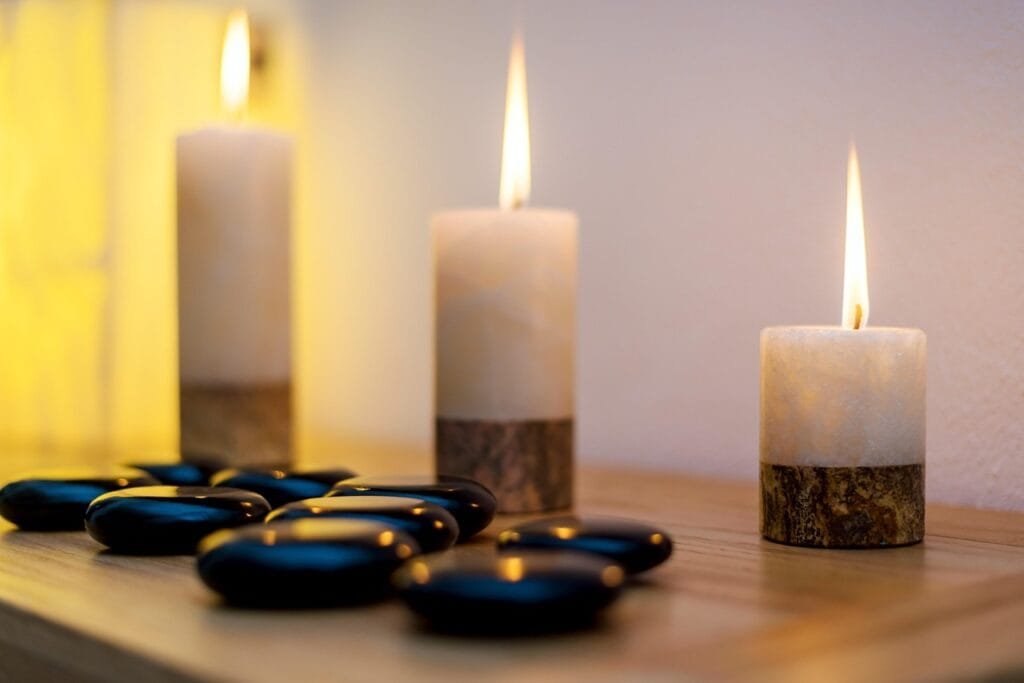
Think about the difference between a harsh, fluorescent-lit office and a warm, candlelit room. The difference isn’t just aesthetic; it’s physiological. Stretch studio lighting for relaxation often involves using soft, warm tones and indirect lighting to create a soothing atmosphere. This helps reduce eye strain and signals to your brain that it’s time to calm down. The biological reason for this lies in our evolutionary response to light. Bright, cool-toned light (like that from a computer screen) mimics daylight and can suppress melatonin production, keeping us alert, whereas warmer, dim light promotes relaxation and signals that it’s time to rest (Brainard et al., 2008; Cajochen et al., 2005).
In a similar vein, the soundscape is crucial. The constant chatter of a busy gym can be a major distraction that keeps your sympathetic “fight or flight” nervous system on high alert. This is why many studios focus on acoustic treatments for stretch spaces, using materials that absorb sound to create a quiet, peaceful atmosphere. This quiet foundation is often layered with soothing music for stretching sessions. Research has shown that music can have a positive effect on mood and can be a powerful tool for stress reduction by influencing heart rate variability, which is a key indicator of your nervous system’s ability to adapt (Chaudhuri, 2021; Mojtabavi et al., 2020). Ambient soundscapes, gentle instrumental tracks, or nature sounds can help you tune out external noise and focus on your breath and the sensations in your body, a crucial part of guided assisted stretching with relaxation.
The Role of Temperature and Scent on Muscle Function and Mood
When your body is comfortable, your mind is more likely to follow. This is why assisted stretching room temperature is so important. A slightly warm, but not stuffy, environment can help your muscles feel more pliable and ready for a deep stretch, as warmth increases blood flow and tissue elasticity (Petrofsky et al., 2013). A room that’s too cold can cause muscles to tense up, making deep, effective stretching more difficult.
Another powerful tool for creating a healing environment for assisted stretching is scent. Our sense of smell is directly linked to the limbic system, the part of our brain that processes memory and emotion. Incorporating aromatherapy in assisted stretching with calming essential oils like lavender can help to reduce anxiety and promote a sense of well-being (Dunn et al., 1995; Louis et al., 2002). A study found that even just smelling lavender oil can significantly reduce stress and anxiety in a therapeutic setting.
How a Calm Environment Transforms the Experience
The goal of a well-designed assisted stretching atmosphere is to help your body and mind work together to achieve a deeper stretch and more profound relaxation. The synergy of these sensory elements isn’t a coincidence – it’s a deliberate strategy to enhance the benefits of the session.
Reducing Stress and Promoting Mental Well-being
When you step into a studio with a carefully curated, relaxing ambiance, you’re already halfway to a state of calm. This initial sense of peace is vital for what comes next. Assisted stretching for stress reduction is more than just a marketing phrase – it’s a verifiable benefit. By focusing on your breath and allowing the practitioner to guide your body, you can actively engage your parasympathetic nervous system (the “rest and digest” mode) and downregulate the sympathetic system (the “fight or flight” response). This can lead to a reduction in stress hormones like cortisol and an increase in feel-good hormones like endorphins (Konrad et al., 2015). This is the key to unlocking the full assisted stretching relaxation benefits.
I once had a client who came in after a particularly stressful day at work. They were so tense that every stretch felt restrictive. We spent the first ten minutes with them simply lying on the table, focusing on their breath while soft music played. As their nervous system began to settle, their body finally felt ready to receive the stretches. We were able to achieve a much deeper range of motion than we could have at the start, and they left feeling physically and mentally lighter.
Fostering Deeper, More Effective Stretches
A relaxed body is a more receptive body. When you’re tense, your muscles have a natural “guarding” response to protect themselves. This protective reflex is driven by muscle spindles, sensory receptors within the belly of the muscle that detect changes in length and speed of stretch. A tense nervous system makes these spindles highly sensitive, triggering a strong resistance to stretching. A calm and serene stretching space helps to quiet these reflexes, allowing your practitioner to guide you into a deeper stretch with less resistance (Sherrington, 1906). This leads to more significant improvements in flexibility and mobility.
The mind-body connection plays a huge role here, too. Mindfulness in assisted stretching is about paying attention to the sensations in your body without judgment. When your environment is free of distractions, you can focus on this practice, which can enhance your proprioception – your body’s sense of its own position in space. This increased awareness can make the stretching itself more effective and safer, as you’re better able to communicate with your practitioner about what feels right.
What to Look for in a Practitioner-Assisted Stretching Studio
When you’re searching for a comfortable assisted stretching setting, it’s helpful to know what questions to ask. A great studio will be transparent about its environment and practices.
Key Elements of a High-Quality Studio
| Element | What to Look For | Why it Matters |
| Studio Ambiance | Soft, warm lighting; minimal clutter; clean lines. | Creates a peaceful, non-intimidating space and aids in relaxation. |
| Sound | Quiet atmosphere with low-volume, relaxing music. | Minimises distractions and helps you focus inward. |
| Aromatherapy | Optional use of calming essential oils, or a neutral, fresh scent. | Can enhance relaxation and reduce stress without causing irritation. |
| Equipment | Clean, well-maintained mats and adjustable tables. | Ensures a hygienic, comfortable, and safe experience for all body types. |
| Client Comfort & Safety | Adjustable stretch tables, pillows, blankets, and a clear safety protocol. | Prioritises your physical well-being and prevents injury throughout the session. |
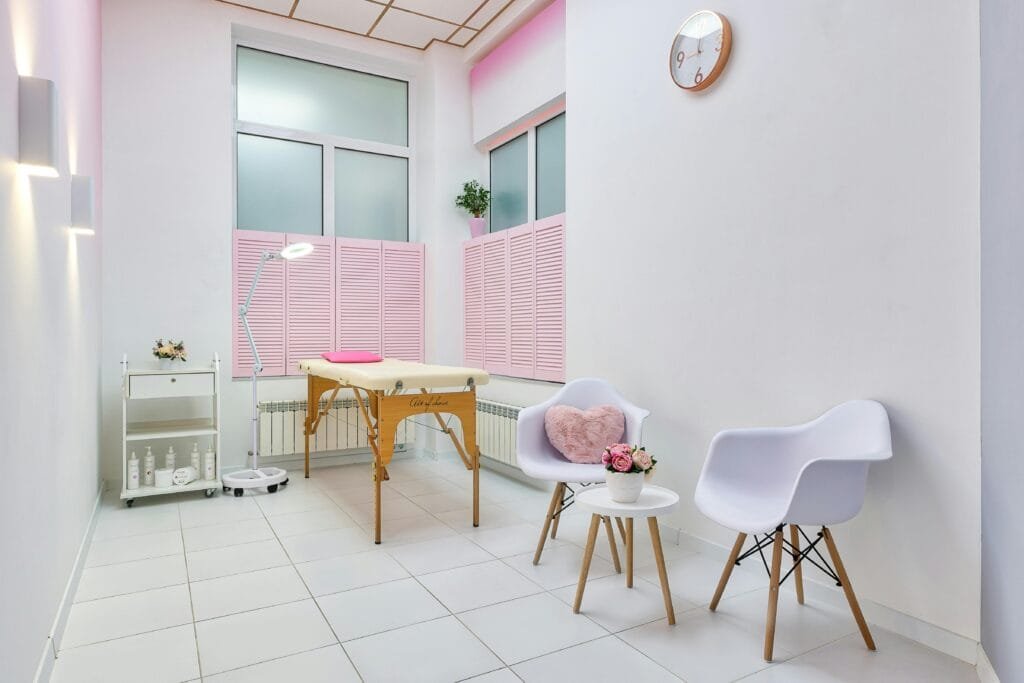
In a practitioner-assisted stretching studio like StretchMasters®, the equipment goes beyond just mats and blocks. Adjustable tables are often used to ensure proper alignment and support for a variety of stretches, enhancing both client comfort and safety in a relaxing assisted stretching environment.

The Importance of the Practitioner’s Qualifications
While the environment sets the stage, the practitioner is the director of the show. A highly qualified stretch practitioner should have a deep understanding of human anatomy and physiology, as well as the ability to create a calming, safe, and effective environment. While there is no single, universally mandated qualification for “stretch practitioners”, a background in fields like physiotherapy, sports therapy, or massage therapy, along with specific training in assisted stretching techniques, is often a strong indicator of expertise. They should communicate clearly, listen to your feedback, and adjust stretches to your body’s specific needs, not a one-size-fits-all routine. Look for a practitioner who is certified by reputable organisations, which shows they have a commitment to professional standards and ongoing education.
How Long Should Assisted Stretching Sessions Last?
The duration of a session can vary depending on individual needs and goals, but typically, a session lasts between 30 and 60 minutes. For maximising the relaxation and mobility benefits, a 45- to 60-minute session can be particularly effective. This timeframe allows the body and mind to transition from a state of activity to one of deep relaxation. A skilled practitioner can guide you through a comprehensive, full-body routine, ensuring each muscle group receives the attention it needs.
After a session, many people find that post-stretch relaxation techniques, such as a few minutes of quiet contemplation or deep breathing, can help prolong the feeling of calm. The benefits of a tranquil environment don’t end when you leave the studio; they set a foundation for continued relaxation throughout your day.
Conclusion: A Journey to Tranquillity
The pursuit of better flexibility and reduced tension is a journey, and the environment you choose for that journey matters immensely. Creating a relaxing environment for assisted stretching isn’t just about making a space look nice – it’s about building a sensory experience that supports your body’s natural ability to heal and unwind. By considering the lighting, sound, scent, and comfort, you can transform a simple stretching session into a profound practice of mindfulness and self-care.
Ready to discover the difference a tranquil, professional environment can make? Explore the possibilities with a practitioner-assisted stretching session and experience how a calm setting can unlock a new level of well-being.
For more insights on how assisted stretching can complement your healthy lifestyle, check out these related articles on the StretchMasters® Blog: “How to Use Assisted Stretching for Better Sleep: Your Guide to Deeper Rest” and “The Ultimate Checklist for Effective Assisted Stretching Sessions“.
References
Brainard, G., Sliney, D., Hanifin, J., Glickman, G., Byrne, B., Greeson, J. M., Jasser, S., Gerner, E., & Rollag, M. (2008). Sensitivity of the human circadian system to short-wavelength (420-nm) light. Journal of Biological Rhythms, 23(5), 379–386. https://doi.org/10.1177/0748730408323089
Cajochen, C., Münch, M., Kobialka, S., Kräuchi, K., Steiner, R., Oelhafen, P., Orgül, S., & Wirz-Justice, A. (2005). High sensitivity of human melatonin, alertness, thermoregulation, and heart rate to short wavelength light. The Journal of Clinical Endocrinology & Metabolism, 90(3), 1311–1316. https://doi.org/10.1210/jc.2004-0957.
Chaudhuri, S. (2021). The effects of music on stress. International Journal of Advanced Research, 9(4), 1079–1083. https://doi.org/10.21474/IJAR01/12478
Dunn, C., Sleep, J., & Collett, D. (1995). Sensing an improvement: An experimental study to evaluate the use of aromatherapy, massage and periods of rest in an intensive care unit. Journal of Advanced Nursing, 21(1), 34–40. https://doi.org/10.1046/j.1365-2648.1995.21010034.x
Konrad, A., Gad, M., & Tilp, M. (2015). Effect of PNF stretching training on the properties of human muscle and tendon structures. Scandinavian Journal of Medicine & Science in Sports, 25(3), 346–355. https://doi.org/10.1111/sms.12228. https://pubmed.ncbi.nlm.nih.gov/24716522/
Louis, M., & Kowalski, S. D. (2002). Use of aromatherapy with hospice patients to decrease pain, anxiety, and depression and to promote an increased sense of well-being. American Journal of Hospice and Palliative Medicine, 19(6), 381–386. https://doi.org/10.1177/104990910201900607
Mojtabavi, H., Saghazadeh, A., Valenti, V., & Rezaei, N. (2020). Can music influence cardiac autonomic system? A systematic review and narrative synthesis to evaluate its impact on heart rate variability. Complementary Therapies in Clinical Practice, 39, 101162. https://doi.org/10.1016/j.ctcp.2020.101162
Petrofsky, J. S., Laymon, M., & Lee, H. (2013). Effect of heat and cold on tendon flexibility and force to flex the human knee. Medical Science Monitor, 19, 661–667. https://doi.org/10.12659/MSM.889145
Sherrington, C. S. (1906). The integrative action of the nervous system. Yale University Press.
Disclaimer:
The content on this blog is provided for general information and wellness purposes only. It should not be considered medical advice, diagnosis, or treatment. StretchMasters® services, including assisted stretching, are intended to support overall wellbeing and are not a substitute for professional healthcare guidance. While reasonable care has been taken in preparing and verifying the information presented in this blog, StretchMasters® makes no claims, representations, or guarantees regarding its completeness, accuracy, reliability, suitability or availability with respect to the website or the information, products, services, or related graphics contained on the website for any purpose. This content is intended for general informational purposes only and is not a scientific article. Inconsistencies, inaccuracies, or errors — including in paraphrasing and citation — may be present. Any reliance you place on such information is therefore strictly at your own risk. We strive to ensure that all information is accurate and up to date; however, due to the evolving nature of health research, we cannot guarantee that all content reflects the latest evidence. Additionally, external links shared in blog posts may change, be updated, or become inactive over time without notice. Always consult with a qualified medical professional before starting any new therapy, especially if you have existing health conditions. StretchMasters®, its parent company Skuil Ltd, and affiliated clinics accept no liability for decisions made or outcomes based on this content. Opinions expressed in individual blog posts are those of the authors and do not necessarily reflect the views or policies of StretchMasters® or its subsidiaries. Any reference to third-party organisations, websites, services, or products is not an endorsement.