
Unlock a healthier lifestyle with improved Flexibility and Mobility for a Healthier Lifestyle. Discover the best exercises, routines, and profound benefits for all ages, from pain relief to athletic performance.
The Quiet Revolution: Why How Well You Move Trumps How Hard You Train
Let’s be honest, when you think about ‘fitness’, your mind probably jumps straight to smashing a heavy lifting session, grinding out a high-intensity interval training (HIIT) workout, or maybe conquering a long, gruelling run. We’re often obsessed with outputs – how fast, how far, how heavy. But what if I told you the real secret to a long, active, and pain-free life isn’t just about what you can achieve at the gym, but how easily and functionally you can move outside of it?
I’m talking about Flexibility and Mobility for a Healthier Lifestyle, a dynamic duo that is often the unsung hero of a robust, active life.
Imagine trying to open a stiff, squeaky door every day. Annoying, inefficient, and eventually, something is going to break. That’s what it’s like living with restricted movement. With our increasingly common sedentary workdays – think long hours hunched over a desk or behind the wheel – our bodies are literally stiffening up. We lose that innate, fluid movement we had as children. We feel tight getting out of the car, find it a struggle to reach for something on a high shelf, and those little niggles that once went away now seem to stick around.
But here is the exciting part: this is reversible. By dedicating a little, consistent time to flexibility training and mobility training, we can unlock a new level of physical freedom, significantly reduce the risk of those annoying injuries, and potentially help manage those persistent aches and pains. This isn’t just about touching your toes; it’s about reclaiming your body’s natural ability to move well, which is absolutely fundamental to a healthier lifestyle.
If you’ve been wondering how to add this vital component to your routine, or perhaps are a runner looking for smoother strides (you are interested in flexibility for runners), a lifter seeking deeper, safer movements (flexibility for lifters), or simply a beginner aiming for less stiffness, you’ve come to the right place. We’re going to dive deep into what these terms actually mean, why they matter to your health and longevity, and, most importantly, how you can start improving them today with simple, effective daily stretching routines and range of motion exercises.
Unpacking the Jargon: Flexibility vs. Mobility
One of the first, and most crucial, questions people ask is: What is the difference between flexibility and mobility?
It’s a brilliant question because the terms are tossed around interchangeably, but they represent two distinct, yet deeply connected, elements of your physical capability. Understanding the difference is key to training them effectively.
- Muscle Flexibility: Think of flexibility as the length of your muscle. Scientifically, and among other definitions, it’s often defined as the absolute range of motion in a joint or series of joints, which is largely determined by the extensibility of the muscle-tendon unit (Pate et al., 2012). Essentially, it’s how far a muscle can passively stretch. For example, your hamstring flexibility determines how easily you can reach for your toes. It is primarily a passive measurement – you could be pushed into the stretch.
- Joint Mobility: This is the usability of that length. Joint mobility is your ability to actively move a joint through its full range of motion without pain (Haff & Triplett, 2016). It requires a winning combination of muscle flexibility, joint stability, and motor control. For instance, can you raise your arm directly overhead while keeping your rib cage down and your lower back flat? That requires good shoulder mobility, not just flexible shoulder muscles.
In simple terms, I like to put it this way: Flexibility is the capacity for a muscle to stretch; Mobility is the capacity for a joint to move actively and controllably through a full range of motion. You could have amazing flexibility (long muscles) but poor mobility if you lack the strength and control to move your joints safely into those end-ranges. Both are critical components of functional movement.
The Profound Benefits: How Do Flexibility and Mobility Improve Health and Longevity?
It’s tempting to dismiss stretching as something nice to do rather than something necessary, but the science behind improving your movement capability is incredibly compelling. Investing consistent time in flexibility and mobility is a strategic investment in your long-term health and, potentially, your longevity.
1. The Best Insurance: Injury Prevention Stretching
This is perhaps the most compelling and relatable benefit. When your muscles are chronically tight and your joints are stiff, you’re essentially walking around with limited shock absorbers. When an unexpected twist, sudden burst of speed, or simply an awkward movement occurs – like twisting to catch a dropped object – a restricted joint or tight muscle is more likely to reach its elastic limit and tear (Shrier, 2004).
While static stretching immediately before exercise may temporarily reduce power and does not clearly prevent injuries, regular stretching performed after exercise or at other times can improve performance and mobility. Maintaining flexibility allows joints and muscles to absorb force more effectively, supporting efficient movement and reducing injury risk. Dynamic stretching before activity and consistent mobility work outside of training best prepare the body for both daily life and exercise.
2. Posture Correction and Pain Relief
Can improving flexibility help with chronic pain and posture? The answer, supported by numerous studies, is a resounding yes.
Many common chronic pain issues, especially in the lower back, neck, and shoulders, are not purely structural problems but often stem from muscular imbalances and poor posture caused by long hours of sitting.
- The Hip-Back Connection: Sitting shortens the hip flexor muscles. When these muscles become chronically tight, they can pull on your pelvis, tilting it forward (anterior pelvic tilt). This exaggerates the curve in your lower back, leading to significant strain and discomfort. Studies have demonstrated that 8 weeks of stretching significantly improved hip range of motion and reduced pain in low back pain patients (Hatefi et al., 2021). Targeted static stretching of the hip flexors, such as the kneeling hip flexor stretch, has been shown to acutely reduce anterior pelvic tilt and decrease lower back curvature, suggesting a powerful mechanism for flexibility for chronic pain relief.
- The Shoulder-Neck Connection: Hunching over screens causes tight chest muscles (pectorals) and weak back muscles. Specific shoulder mobility exercises and balance and posture exercises help realign the spine, alleviating the root cause of the strain.
I have heard from more than one mobility coach that consistent work on the “big two” – tight hip flexors and stiff thoracic spine – solves the majority of non-specific desk-related pain. You must unlock the movement you’ve lost before you can build strength effectively.
3. Enhanced Functional Fitness and Athletic Performance
For those who are active, better range of motion translates directly into better performance. This is why flexibility for athletes is non-negotiable.
- For Lifters: Improved hip mobility allows you to achieve the depth required for a safe, powerful squat or deadlift without your lower back rounding. A restricted range of motion limits the amount of force you can apply and increases the risk of injury.
- For Runners: Studies of distance runners have found that lower flexibility correlates with better running economy (Jones, 2002). Better hip mobility and hamstring flexibility can increase your stride length, allowing you to cover more distance with less effort, which improves your running economy (Caplan et al., 2009).
This concept is the essence of functional fitness – training your body to perform better in real-world scenarios, whether that’s a competitive sport, lifting a heavy piece of furniture, or simply getting up off the floor with ease.
4. The Vitals: Circulation and Muscle Recovery
Movement is life, and that includes the movement of your blood! Active stretching and gentle mobility work can promote better blood circulation, which is vital for delivering oxygen and nutrients to your muscles and, crucially, removing metabolic waste products. Including dedicated muscle recovery stretches as part of your post-workout stretching routine may help reduce the severity of Delayed-Onset Muscle Soreness (DOMS) and speed up your overall recovery time, getting you back to your next session feeling refreshed (Zulaini et al., 2021).

The Toolkit: Best Exercises and Routines
Okay, so you’re convinced of the benefits. Now, What are the best exercises for increasing flexibility? The great news is, you don’t need to spend hours twisted into a pretzel. Consistency and targeted effort are far more effective than sporadic, intense sessions. The best approach is to blend different techniques.
| Type of Stretch/Exercise | Description | Why It Works (Mechanism) | Best Time to Use |
| Dynamic Stretching | Controlled movements that take joints through a full range of motion (e.g., leg swings, arm circles). | Raises muscle temperature and primes the nervous system for activity, enhancing performance (Fletcher, 2010; Leon et al., 2012). | Warm Up Exercises (Before a workout/activity) |
| Static Stretching | Holding a stretch at the point of mild tension for a period (e.g., toe touch for 30 seconds). | May elicit long-term changes in the viscoelastic properties of the muscle-tendon unit, improving permanent length (Taylor, 1990). | Cool Down Routines (After a workout/activity) or dedicated sessions. |
| Mobility Drills (CARs) | Controlled Articular Rotations: Active, slow, full-range movements of a single joint (e.g., hip or shoulder circles). | Actively strengthens the joint in its end-range and pumps synovial fluid into the joint capsule, promoting joint health. | Anytime, especially as a warm up or standalone mobility training session. |
| PNF Stretching | Proprioceptive Neuromuscular Facilitation: Contracting the muscle before passively stretching it deeper. | Utilizes the Golgi Tendon Organ (GTO) to temporarily override the stretch reflex, allowing a greater, safer end-range stretch. | Dedicated flexibility training sessions. |
A Daily Dose: How Often Should I Work on My Flexibility and Mobility?
Consistency truly is the master here. A few minutes every day is far better than one long session a week. I personally aim for a minimum of 10-15 minutes of dedicated mobility exercises and stretching.
- Daily: A quick 5-10 minute daily stretching routine first thing in the morning or before bed is ideal. Focus on common stiff areas like the hips, shoulders, and lower back (hip mobility drills, shoulder mobility exercises).
- Pre-Workout: 5-10 minutes of dynamic stretching as part of your warm up exercises.
- Post-Workout: 5-10 minutes of static stretching as a cool down routine.
- Weekly: One longer, dedicated 30-60 minute session focused on deep stretching or a movement practice like yoga for flexibility or Pilates for flexibility.
The Specialist Approaches: Yoga, Pilates, and Assisted Stretching
When it comes to structured flexibility training and mobility training, some methods stand out as highly effective and accessible.
Are assisted stretching, yoga and Pilates effective for mobility and flexibility? Yes, and the scientific evidence for each is compelling.
Yoga for Flexibility
Yoga is not just a trend; it’s a centuries-old practice that directly addresses flexibility, balance, and mind-body control. A dedicated yoga mobility flow incorporates strength, balance, and deep static holds (known as asanas), making it a comprehensive approach.
- Scientific Insight: Research, particularly randomized controlled trials, suggests that regular yoga practice is as effective as conventional stretching and strengthening exercises in improving functional fitness outcomes – including balance, strength, and lower-body flexibility – in older adults (Gothe & McAuley, 2016). The emphasis on breath control enhances relaxation, potentially allowing for deeper stretches.
Pilates for Flexibility and Core Stability
Pilates focuses heavily on core stability, postural alignment, and controlled, precise movements. While perhaps better known for building deep strength, its method of moving joints through their full range of motion under strict control makes it an excellent form of mobility training.
- Scientific Insight: Systematic reviews show that Pilates significantly improves abdominal muscular endurance and has positive effects on dynamic balance, quality of life, and flexibility of the posterior thigh and back muscles (Cruz-Ferreira, 2011; Kamioka, 2016). It is particularly effective for enhancing deep core muscle function (Transversus Abdominis and Obliques), which is fundamental to a stable, mobile spine, crucial for preventing low back pain.
Assisted Stretching Benefits
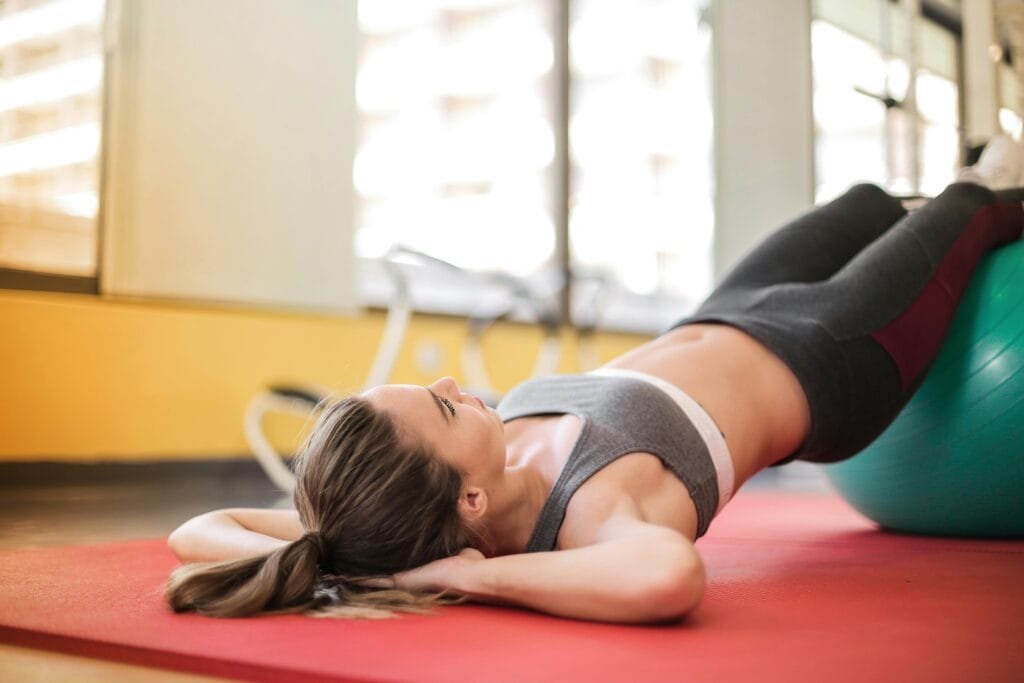
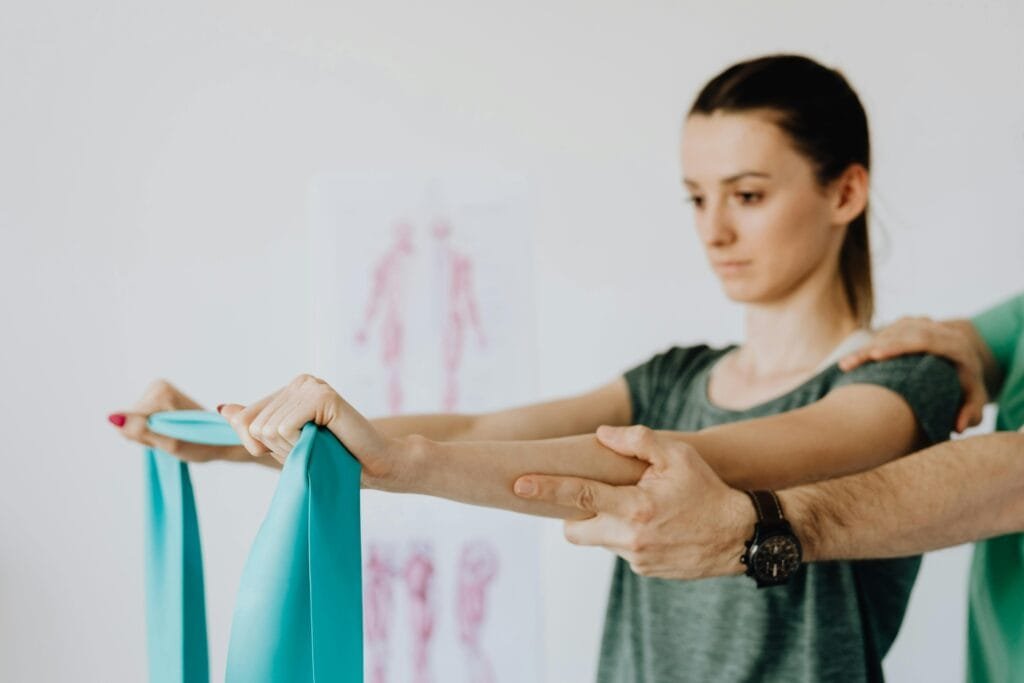
This involves a qualified practitioner, such as a physiotherapist or stretch therapist, actively moving your limbs and holding stretches for you.
- Scientific Insight: The assisted stretching benefits lie in the ability to achieve a greater range of motion than you could on your own. This method often utilizes advanced techniques like PNF (Proprioceptive Neuromuscular Facilitation). PNF is clinically proven to be highly effective at increasing muscle extensibility and overcoming the body’s natural stretch reflex, leading to greater and more rapid gains in flexibility and joint Range of Motion (ROM), especially beneficial for hip mobility and athletes (Hindawi, 2012). This is useful for individuals with significant limitations or those who struggle to stretch safely due to injury history.
Aging Gracefully: Flexibility and Mobility in Later Years
How does age affect flexibility and mobility, and what can older adults do?
It’s an unfortunate truth that as we age, a natural decline in muscle elasticity and joint health occurs. Collagen fibres stiffen, and we can lose muscle mass, which collectively restricts our range of motion and significantly increases the risk of falls (Taaffe & Marcus, 2000; Wilkinson et al., 2018; Marcucci & Reggiani, 2020). This makes dedicated healthy aging mobility work absolutely essential for maintaining independence and quality of life.
| Age-Related Change | Impact on Movement | Targeted Solution |
| Decrease in muscle elasticity | Reduced flexibility and increased injury risk. | Consistent daily stretching routine, focusing on gentle, sustained holds for large muscle groups. |
| Cartilage and joint fluid reduction | Joint stiffness and potential discomfort. | Low-impact mobility exercises, like swimming, cycling, or chair yoga, to keep joints lubricated. |
| Decline in balance and stability | Increased risk of falls and difficulty with daily tasks. | Balance and posture exercises, Tai Chi, and simple strength training. |
The great news is that the body remains remarkably adaptable. Stretching for seniors should focus on gentle, safe movements. Water-based exercise, chair yoga, and simple home stretching exercises that don’t put excessive stress on joints are highly recommended (NIA, 2020). Studies in older adults show that even a few weeks of active-assisted stretching can improve functional performance measures like walking speed and standing balance (NIH, 2008).
Getting Started: The Beginner’s Guide to Movement
How can I safely start a flexibility and mobility program as a beginner?
Starting is often the hardest part, but it doesn’t need to be daunting. The core principles of a successful flexibility and mobility program for beginners are safety, consistency, and simplicity.
Phase 1: Self-Assessment and Awareness
- Flexibility Assessment: Before diving in, find out where your stiffness lies. Can you comfortably touch your toes? How easily can you look over your shoulder? This simple flexibility assessment helps you target your efforts.
- Focus on the Core 3: As a beginner, focus on the areas most affected by a sedentary lifestyle:
- Hips: Crucial for walking, standing, and back health. (Targeted hip mobility drills are a game-changer).
- Hamstrings: Often the tightest muscles, impacting lower back and knee function. (Hamstring flexibility stretches may help).
- Shoulders: Key for good posture and reaching. (focus on shoulder mobility exercises).
Phase 2: Building Your Routine
- Start Small: Begin with just 5 minutes of simple home stretching exercises every day. Don’t aim for a full body stretch right away.
- Keep it Dynamic: Use a dynamic stretching routine before any physical activity, even if it’s just a brisk walk. High knees, heel flicks, and arm circles are your friends.
- Embrace the Cool Down: Finish your day with a short session of static stretching while you listen to a podcast. Hold each stretch for 20-30 seconds.
Phase 3: The Right Tools
What equipment can help improve flexibility and mobility at home?
You don’t need a home gym, but a few simple, affordable tools can significantly enhance your routine.
| Equipment | Benefit | Best For |
| Yoga Mat | Provides cushioning and grip. | All floor-based stretching routines and yoga for flexibility. |
| Foam Roller | Facilitates Self-Myofascial Release (SMR) by applying pressure to the fascia (connective tissue) and trigger points. | Muscle recovery stretches, back flexibility stretches, targeting knots and tight areas. |
| Stretching Strap/Band | Allows you to deepen stretches without straining or forcing the position by providing an extended reach and leverage. | Hamstring flexibility, hard-to-reach stretches, and providing a safe anchor. |
| Yoga Blocks | Brings the floor closer to you, aiding those with limited flexibility. | Stretching for beginners, providing support in a yoga mobility flow. |
Advanced Techniques: Static vs Dynamic Stretching
We touched on this earlier, but to solidify your approach, it’s important to understand the scientific context of static vs dynamic stretching.
Is stretching before or after workouts more beneficial for mobility?
The short answer, as supported by decades of sports science, is both, but the type of stretching matters greatly:
Before Workouts (The Warm-Up): Use Dynamic Stretching.
Why? Dynamic stretching, such as walking lunges or gentle torso twists, raises muscle temperature and prepares the central nervous system for activity. This has been consistently shown to improve performance metrics like strength, power, and sprint speed in subsequent exercise. Crucially: Static stretching immediately before heavy or explosive activity is generally discouraged, as it can temporarily reduce muscle strength and power output (Kay & Blazevich, 2012; Šimić et al., 2013; Chaabène et al., 2019).
After Workouts (The Cool-Down): Use Static Stretching.
Why? This is the time to actively improve your long-term muscle flexibility. When muscles are warm, they are more pliable. Holding a deep stretch for 20-60 seconds has been shown to elicit long-term changes in the muscle-tendon unit. This is the best time for full body stretch routines and tackling deep-seated stiffness.
If your primary goal is purely to improve functional flexibility drills for healthy movement (not a sports performance metric), then dedicating a separate session entirely to a yoga mobility flow or assisted stretching may be the most efficient path.
Conclusion: Your Movement Revolution Starts Now
Improving your Flexibility and Mobility for a Healthier Lifestyle isn’t a flash-in-the-pan fitness trend; it’s a foundational pillar of sustainable, long-term health. We’ve established that understanding the difference between flexibility and mobility is key, and that a consistent routine of both dynamic stretching for warm-ups and static stretching for cool-downs and dedicated sessions is the most effective path forward.
From helping with flexibility for chronic pain relief and improving your athletic performance, to simply making it easier to tie your shoelaces or turn your head while driving, the benefits are clear and profound.
So, ditch the excuse that you’re ‘too stiff’ or ‘too old.’ Your body is remarkably capable of change at any age. Start today with a simple 5-minute daily stretching routine, focus on better hip mobility and shoulder mobility, and you will begin to feel the difference almost immediately. Make movement a priority, not an afterthought.
Discover other related articles:
- The Ultimate Guide to Assisted Stretching for Beginners
- How to Create a Relaxing Environment for Assisted Stretching
- The Top 5 Assisted Stretching Mistakes to Avoid
- How to Use Assisted Stretching to Prepare for a Marathon
References
- Caplan, N., Rogers, R., Parr, M. K., & Hayes, P. R. (2009). The effect of proprioceptive neuromuscular facilitation and static stretch training on running mechanics. Journal of Strength and Conditioning Research, 23(4), 1175–1180. https://doi.org/10.1519/JSC.0b013e318199d6f6
- Chaabène, H., Behm, D. G., Negra, Y., & Granacher, U. (2019). Acute effects of static stretching on muscle strength and power: An attempt to clarify previous caveats. Frontiers in Physiology, 10, 1468. https://doi.org/10.3389/fphys.2019.01468
- Cruz-Ferreira, A., Fernandes, J., Laranjo, L., Bernardo, L., & Silva, A. (2011). A systematic review of the effects of Pilates method of exercise in healthy people. Archives of Physical Medicine and Rehabilitation, 92(12), 2071–2081. https://doi.org/10.1016/j.apmr.2011.06.018
- Fletcher, I. M. (2010). The effect of different dynamic stretch velocities on jump performance. European Journal of Applied Physiology, 109(3), 491–498. https://doi.org/10.1007/s00421-010-1386-x
- Gothe, N. P., & McAuley, E. (2016). Yoga Is as Good as Stretching–Strengthening Exercises in Improving Functional Fitness Outcomes: Results From a Randomized Controlled Trial. The Journals of Gerontology: Series A, 71(3), 406–411.
- Haff, G. G., & Triplett, N. T. (Eds.). (2016). Essentials of Strength Training and Conditioning (4th ed.). Human Kinetics.
- Hatefi, M., Babakhani, F., & Ashrafizadeh, M. (2021). The effect of static stretching exercises on hip range of motion, pain, and disability in patients with non-specific low back pain. Journal of Experimental Orthopaedics, 8(1), 109. https://doi.org/10.1186/s40634-021-00371-w
- Kamioka, H., Tsutani, K., Katsumata, Y., Yoshizaki, T., Okuizumi, H., Okada, S., Park, S.-J., Kitayuguchi, J., Abe, T., & Mutoh, Y. (2016). Effectiveness of Pilates exercise: A quality evaluation and summary of systematic reviews based on randomized controlled trials. Complementary Therapies in Medicine, 25, 1–19. https://doi.org/10.1016/j.ctim.2015.12.018
- Kay, A. D., & Blazevich, A. J. (2012). Effect of acute static stretch on maximal muscle performance: A systematic review. Medicine & Science in Sports & Exercise, 44(1), 154–164. https://doi.org/10.1249/MSS.0b013e318225cb27
- Leon, C., Oh, H., & Rana, S. R. (2012). A purposeful dynamic stretching routine. International Journal of Athletic Therapy & Training, 17(5), 35–39. https://doi.org/10.1080/08924562.2012.10592167
- Jones, A. M. (2002). Running economy is negatively related to sit-and-reach test performance in international-standard distance runners. International Journal of Sports Medicine, 23(1), 40–43. https://doi.org/10.1055/s-2002-19271
- Marcucci, L., & Reggiani, C. (2020). Increase of resting muscle stiffness, a less considered component of age-related skeletal muscle impairment. European Journal of Translational Myology, 30(1), 8982. https://doi.org/10.4081/ejtm.2019.8982
- National Institute on Aging (NIA). (2020). Exercise and Physical Activity: How to Stay Active as You Age. [Institutional Publication].
- R. Pate, M. Oria, & L. Pillsbury, Eds. (2012). Committee on Fitness Measures and Health Outcomes in Youth, Food and Nutrition Board, Institute of Medicine. (2012). Fitness measures and health outcomes in youth. National Academies Press.
- Šimić, L., Sarabon, N., & Markovic, G. (2013). Does pre-exercise static stretching inhibit maximal muscular performance? A meta-analytical review. Scandinavian Journal of Medicine & Science in Sports, 23(2), 131–148. https://doi.org/10.1111/j.1600-0838.2012.01444.x
- Shrier I (2004). Does stretching improve performance: A systematic and critical review of the literature. Clin J Sport Med 2004;14:267-273.
- Shrier I (2007). Does stretching help prevent injuries? In: MacAuley D, Best T, editors. Evidence-based sports medicine. London: BMJ Publishing Group, 2007.
- Taaffe, D. R., & Marcus, R. (2000). Musculoskeletal health and the older adult. Journal of Rehabilitation Research and Development, 37(2), 245–254. https://pubmed.ncbi.nlm.nih.gov/10850831/
- Taylor, D. C., Dalton, J. D., Jr., Seaber, A. V., & Garrett, W. E., Jr. (1990). Viscoelastic properties of muscle-tendon units. The American Journal of Sports Medicine, 18(3), 300–309. https://doi.org/10.1177/036354659001800314
- Wilkinson, D. J., Piasecki, M., & Atherton, P. J. (2018). The age-related loss of skeletal muscle mass and function: Measurement and physiology of muscle fibre atrophy and muscle fibre loss in humans. Ageing Research Reviews, 47, 123–132. https://doi.org/10.1016/j.arr.2018.07.005
- Zulaini, Harahap, N. S., Siregar, N. S., & Zulfahri. (2021). Effect stretching and recovery on delayed onset muscle soreness (DOMS) after exercise. In Journal of Physics: Conference Series, 1811, 012113. https://doi.org/10.1088/1742-6596/1811/1/012113
Disclaimer:
The content on this blog is provided for general information and wellness purposes only. It should not be considered medical advice, diagnosis, or treatment. StretchMasters® services, including assisted stretching, are intended to support overall wellbeing and are not a substitute for professional healthcare guidance. While reasonable care has been taken in preparing and verifying the information presented in this blog, StretchMasters® makes no claims, representations, or guarantees regarding its completeness, accuracy, reliability, suitability or availability with respect to the website or the information, products, services, or related graphics contained on the website for any purpose. This content is intended for general informational purposes only and is not a scientific article. Inconsistencies, inaccuracies, or errors – including in paraphrasing and citation – may be present. Any reliance you place on such information is therefore strictly at your own risk. We strive to ensure that all information is accurate and up to date; however, due to the evolving nature of health research, we cannot guarantee that all content reflects the latest evidence. Additionally, external links shared in blog posts may change, be updated, or become inactive over time without notice. Always consult with a qualified medical professional before starting any new therapy, especially if you have existing health conditions. StretchMasters®, its parent company Skuil Ltd, and affiliated clinics accept no liability for decisions made or outcomes based on this content. Opinions expressed in individual blog posts are those of the authors and do not necessarily reflect the views or policies of StretchMasters® or its subsidiaries. Any reference to third-party organisations, websites, services, or products is not an endorsement.