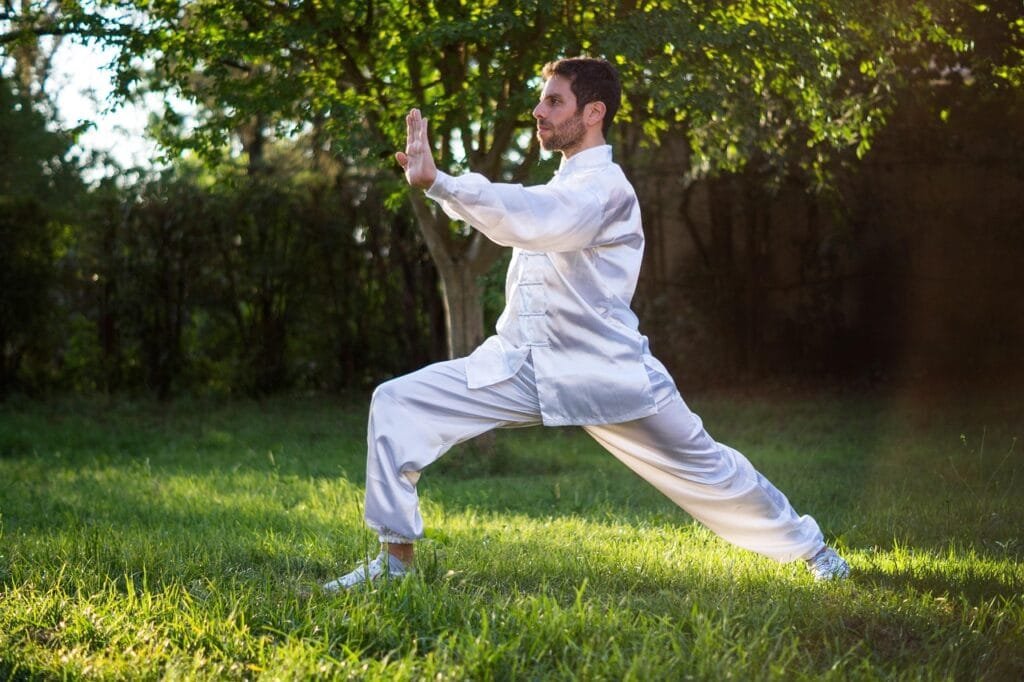
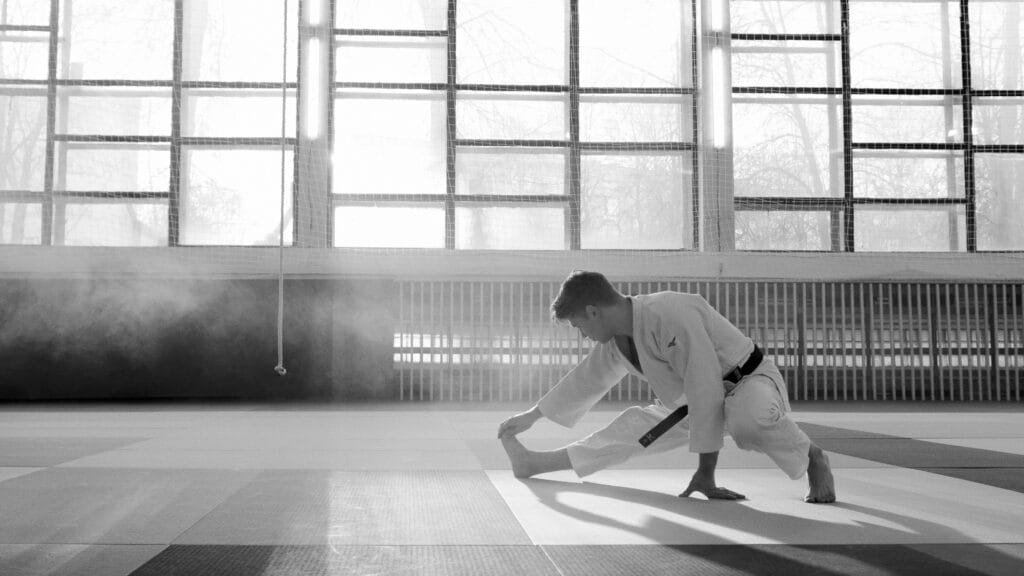
When you think of a martial artist, you probably picture someone with incredible speed, power, and precision. But what about the quiet moments? The hours spent on the mat, not sparring, but stretching. It’s an essential part of the journey, and it’s what separates the good from the great. While self-stretching is a part of every martial artist’s routine, there’s another level of flexibility training that can truly unlock your potential: assisted stretching.
I have a close friend who has spent countless hours on the mat, and he often reminds me that the difference between a high kick that barely grazes its target and one that lands with snapping power often comes down to flexibility. That’s where a partner or a professional comes in. They can help you push past your own limits, safely and effectively. This article will delve into the world of assisted stretching, covering the techniques, benefits, and best practices for martial artists at all levels of experience, flexibility and strength.
What is Assisted Stretching and How Does It Differ from Self-Stretching?
Think of self-stretching as what you do on your own. It’s when you reach for your toes or hold a lunge, relying solely on your own body weight and effort to deepen the stretch. It’s a fundamental part of any training routine and crucial for maintaining basic mobility.
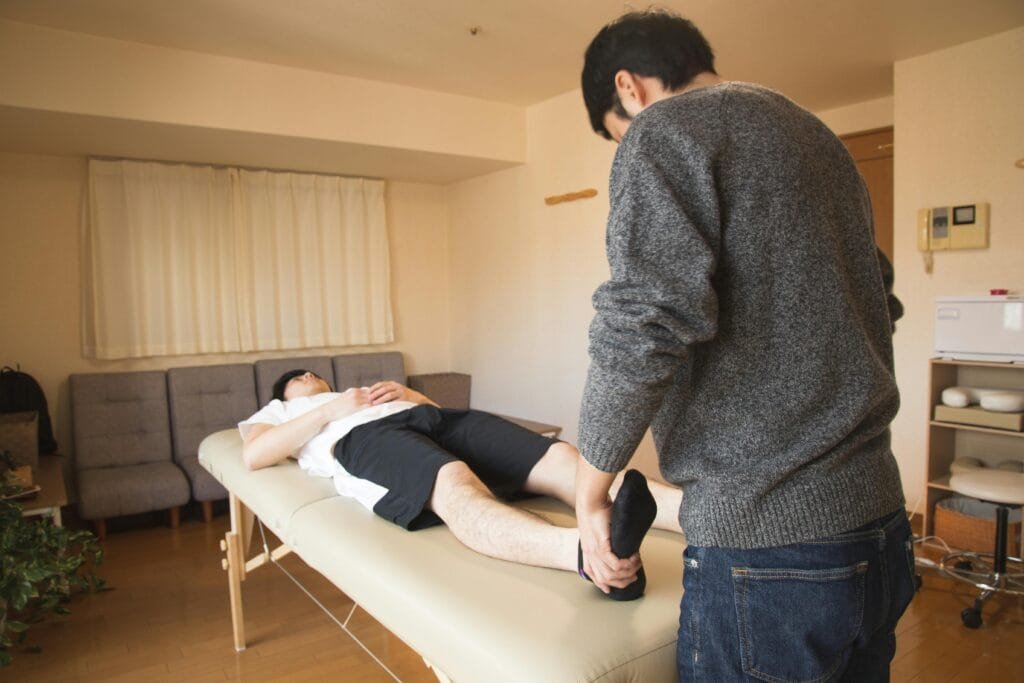
Assisted stretching, on the other hand, involves a partner – whether that’s a friend, a coach, or a qualified stretch therapist – who applies gentle external pressure to help you achieve a deeper stretch. This external force can allow your muscles to relax more fully and extend beyond what you can accomplish on your own. The key is communication; your partner should always be aware of your feedback to avoid overstretching and potential injury.
Recent published studies havehighlighted that assisted stretching, specifically Proprioceptive Neuromuscular Facilitation (PNF) stretching, could lead to greater improvements in hamstring flexibility compared to static stretching alone (Funk et al., 2003; Sharman et al., 2006; Gunn et al., 2018). This scientific backing suggests that having a partner can be more than just a convenience – it can be a more effective way to improve flexibility.
The Two Main Types: Passive and Active Assisted Stretching
- Passive Assisted Stretching: You relax completely while your partner moves your limb into a stretched position. This is often used to increase your passive range of motion, which is the maximum extent a joint can be moved without your muscles contracting.
- Active Assisted Stretching: This combines your own muscular effort with a partner’s assistance. For example, you might actively contract a muscle while your partner helps you deepen the stretch. This is a common element of PNF stretching and can be particularly effective for improving both flexibility and control.
The Main Benefits of Assisted Stretching for Martial Artists
For a martial artist, flexibility isn’t just about doing the splits; it’s about power, speed, and injury prevention. Here are some of the key benefits of incorporating assisted stretching routines for martial artists into your training.
- Improved Range of Motion (ROM): By gently pushing your joints and muscles beyond your self-stretching limits, assisted stretching can significantly increase your active and passive range of motion. For a fighter, this means higher kicks, deeper stances, and more fluid movement.
- Enhanced Performance: A wider range of motion allows you to generate more power. Kicks can travel further, punches can extend more fully, and defensive movements become more agile. A more flexible body is a more efficient body. Think of it like a perfectly tuned engine -every part can move through its full potential, leading to maximum output.
- Reduced Risk of Injury: Tight muscles are a common cause of strains and pulls. By regularly increasing your flexibility, you can help reduce the tension in your muscles and connective tissues. This is especially important for movements that require explosive power, like high kicks or takedowns. A systematic review published in the British Journal of Sports Medicine indicates that stretching, while not a complete panacea, may play a role in reducing the incidence of some muscle injuries (Herbert & Gabriel, 2002).
- Faster Recovery: Assisted stretching can help increase blood flow to the muscles, which can aid in the removal of metabolic byproducts from intense training. This can help reduce muscle soreness and speed up your recovery time, getting you back on the mat quicker.
Assisted Stretching Techniques for Martial Artists
Now let’s get into the nitty-gritty. These are some of the most effective assisted stretching techniques and exercises you can use to improve your martial arts performance.
Assisted Hamstring Stretch
This is a classic for a reason. Strong, flexible hamstrings are vital for powerful kicks and dynamic movement. It’s also a key part of any martial arts flexibility stretching routine.
- How to: Lie on your back with one leg flat on the ground. Your partner should lift your other leg, keeping it straight, and gently push it toward your chest until you feel a comfortable stretch in your hamstring.
- Focus on: The hamstrings, glutes, and lower back.
- Key Tip: Communicate with your partner. You should feel a stretch, not pain. Tell them to ease off if it becomes too intense.
Assisted Groin Stretch (for Leg Splits)
Achieving a full split isn’t just for show; it’s a testament to incredible hip flexibility and control. This stretch is a cornerstone for anyone aiming for assisted leg splits or improving their side kicks.
- How to: Sit on the floor with your legs spread wide in a straddle position. Your partner can either stand behind you, gently pushing your back forward to deepen the stretch, or they can stand in front, holding your hands and gently pulling you forward.
- Focus on: The adductors (inner thigh muscles) and hamstrings.
- Key Tip: Keep your back straight throughout the movement to avoid unnecessary strain. The goal is a gentle, steady progression, not a quick, painful drop.
Assisted Reverse Chest Stretch
This stretch is crucial for combat sports where punches and grappling put a lot of strain on the shoulders and chest. A flexible chest and back can improve your punching power and help prevent shoulder injuries.
- How to: Stand with your back to your partner. They should place their hands on your shoulders and gently pull them back while you push your chest forward. You can also have them stand behind you, interlock their arms with yours, and gently pull your arms back while you push your chest out.
- Focus on: Pectoral muscles (chest) and shoulders.
- Key Tip: This stretch should feel expansive and relieving, not painful. It’s excellent for counteracting the forward-leaning posture often adopted during training.
Proprioceptive Neuromuscular Facilitation (PNF) Stretching
This is a more advanced form of partner assisted stretching that’s highly effective. It’s a technique that involves contracting and relaxing the muscles to achieve a deeper stretch.
- How it works: A common PNF technique involves three steps.
- Passive Stretch: Your partner moves your limb to its maximum comfortable range.
- Isometric Contraction: You then push against your partner for about 5-10 seconds, contracting the muscle you’re stretching.
- Deeper Stretch: You relax, and your partner gently pushes the limb into a deeper range of motion.
- Benefits: PNF stretching is believed to trick the nervous system into allowing a muscle to stretch further than it would normally permit. While both static stretching and PNF stretching can be effective in increasing flexibility (Borges, et al, 2017) there are studies that have also shown that PNF stretching leads to greater improvements in flexibility compared to static stretching (Lim, 2020).
- Safety Note: This technique should be performed with a knowledgeable partner or therapist. Improper application can lead to injury.
Frequently Asked Questions
How often should martial artists incorporate assisted stretching into their routine?
The ideal frequency can vary based on your goals and current flexibility levels. A good starting point is to include it 2-3 times per week, perhaps on your rest days or after a light training session. Consistency is key. You can also integrate quick partner stretching drills into the end of your regular training sessions.
Is assisted stretching safe for beginners?
Yes, absolutely. Assisted stretching can be incredibly beneficial for beginners. It’s a great way to safely and effectively start improving flexibility from the get-go. However, it’s crucial that a beginner works with a knowledgeable partner or a professional. The partner must understand the limits of the body and communicate effectively to prevent overstretching. Never push through sharp pain.
What qualifications should a stretch therapist or partner have?
If you are looking for professional assistance, seek out a stretch therapist who holds qualifications in sports therapy, physiotherapy, or a specific certification in assisted stretching. Organizations like the Chartered Society of Physiotherapy (CSP) and the Health and Care Professions Council (HCPC) in the UK provide information on how to find a qualified healthcare professional and the high standards that are expected of their registrants. If you’re working with a partner, ensure they have a solid understanding of anatomy, proper technique, and, most importantly, are trusted to listen to your feedback.
How long should each assisted stretch be held?
For static assisted stretches, holding a position for 20-30 seconds is a common recommendation. For PNF stretching, the hold times are a bit different, often involving a 5-10 second contraction followed by a 20-30 second passive stretch. The important thing is to focus on quality over quantity; a few well-executed stretches are better than many rushed ones.
Should assisted stretching be performed before or after martial arts training?
This is a hot topic. Generally, static stretching (including passive or assisted stretches in martial arts) is best performed after a workout, when your muscles are warm. Stretching cold muscles can increase the risk of injury. Before a workout or sparring session, focus on dynamic stretching – active movements that prepare your body for action. An assisted static stretching routine after your training can help you improve long-term flexibility and aid in recovery.
A Table of Recommended Assisted Stretches for Martial Arts
| Stretch Technique | Primary Muscles Targeted | Key Martial Arts Benefit |
| Assisted Hamstring Stretch | Hamstrings, Glutes | Improves high kicks and forward folds |
| Assisted Groin Stretch | Adductors (Inner Thighs) | Essential for side kicks and splits |
| Assisted Reverse Chest Stretch | Pectorals, Shoulders | Increases punching power and guard mobility |
| Assisted Back Stretch | Lats, Trapezius, Erector Spinae | Enhances grappling, clinching, and rotational power |
| PNF Stretching (Various) | Specific muscle groups | Rapidly improves flexibility and range of motion |
| Assisted Hip Flexor Stretch | Iliopsoas, Rectus Femoris | Crucial for powerful front kicks and low stances |
| Assisted Glute Stretch | Gluteus Maximus, Medius | Supports hip rotation for roundhouse kicks |
The Link Between Assisted Stretching and Injury Prevention
While it’s important to be cautious about making claims, it’s clear that a well-rounded stretching routine, including assisted techniques, can be a valuable part of an overall injury prevention strategy. A flexible muscle is less likely to be overstretched or torn during explosive movements.
Regularly engaging in these stretching exercises can also help correct muscle imbalances that can lead to chronic pain or injury. For instance, many martial arts involve repetitive movements that can cause some muscles to become tight while others become weak. A targeted assisted stretching routine can help address these imbalances. For example, a tight psoas muscle can lead to back pain, something many athletes experience. Specific assisted hip opening stretches can help alleviate this tension.
If you have any existing injuries or concerns, you should always consult a healthcare professional, such as a physiotherapist or your GP, before starting a new stretching routine.
Conclusion: Unleash Your Full Potential
The journey of a martial artist is one of continuous improvement – not just in technique, but in every aspect of physical conditioning. Assisted stretching is more than just a footnote; it’s a powerful tool that can help you unlock new levels of performance, prevent injuries, and accelerate your recovery.
By incorporating techniques like assisted hamstring stretch, assisted leg splits, and PNF stretching into your routine, you can increase your flexibility and improve your martial arts skills. Just remember to listen to your body, communicate with your partner, and be consistent.
For more information and articles on improving your flexibility, why not take a look at our related blog posts on the StretchMasters® website, such as “The Top 5 Assisted Stretching Mistakes to Avoid” and “How to Combine Assisted Stretching with Strength Training“.
Ready to take your flexibility to the next level? Start exploring assisted stretching today and feel the difference it can make in your training.
References
- Borges, M. O., Medeiros, D. M., Minotto, B., & Lima, C. S. (2017). Comparison between static stretching and proprioceptive neuromuscular facilitation on hamstring flexibility: Systematic review and meta-analysis. European Journal of Physiotherapy, 19(2), 103–110. https://doi.org/10.1080/21679169.2017.1347708
- Funk, D. C., Swank, A. M., Mikla, B. M., Fagan, T. A., & Farr, B. K. (2003). Impact of prior exercise on hamstring flexibility: A comparison of proprioceptive neuromuscular facilitation and static stretching. Journal of Strength and Conditioning Research, 17(3), 489–492. https://doi.org/10.1519/1533-4287(2003)017
- Herbert, R. D., & Gabriel, M. (2002). Effects of stretching before and after exercising on muscle soreness and risk of injury: systematic review. British Medical Journal, 325(7362), 468. https://doi.org/10.1136/bmj.325.7362.468
- Gunn, L. J., Stewart, J. C., Morgan, B., Metts, S. T., Magnuson, J. M., Iglowski, N. J., … & Johnson, B. P. (2018). Instrument-assisted soft tissue mobilization and proprioceptive neuromuscular facilitation techniques improve hamstring flexibility better than static stretching alone: A randomized clinical trial. The Journal of Manual & Manipulative Therapy, 27(1), 15–23. https://doi.org/10.1080/10669817.2018.1475693
- Lim, W.-T. (2020). The effects of proprioceptive neuromuscular facilitation and static stretching performed at various intensities on hamstring flexibility. Physical Therapy Korea, 27(1), 30–37. https://doi.org/10.12674/ptk.2020.27.1.30
- Sharman, M. J., Cresswell, A. G., & Riek, S. (2006). Proprioceptive neuromuscular facilitation stretching: Mechanisms and clinical implications. Sports Medicine, 36(11), 929–939. https://doi.org/10.2165/00007256-200636110-00002
Disclaimer:
The content on this blog is provided for general information and wellness purposes only. It should not be considered medical advice, diagnosis, or treatment. StretchMasters® services, including assisted stretching, are intended to support overall wellbeing and are not a substitute for professional healthcare guidance. While reasonable care has been taken in preparing and verifying the information presented in this blog, StretchMasters® makes no claims, representations, or guarantees regarding its completeness, accuracy, reliability, suitability or availability with respect to the website or the information, products, services, or related graphics contained on the website for any purpose. This content is intended for general informational purposes only and is not a scientific article. Inconsistencies, inaccuracies, or errors — including in paraphrasing and citation — may be present. Any reliance you place on such information is therefore strictly at your own risk. We strive to ensure that all information is accurate and up to date; however, due to the evolving nature of health research, we cannot guarantee that all content reflects the latest evidence. Additionally, external links shared in blog posts may change, be updated, or become inactive over time without notice. Always consult with a qualified medical professional before starting any new therapy, especially if you have existing health conditions. StretchMasters®, its parent company Skuil Ltd, and affiliated clinics accept no liability for decisions made or outcomes based on this content. Opinions expressed in individual blog posts are those of the authors and do not necessarily reflect the views or policies of StretchMasters® or its subsidiaries. Any reference to third-party organisations, websites, services, or products is not an endorsement.