
Do you ever feel like your body is resisting movement – like a tightly wound spring or a creaky hinge that just won’t glide smoothly? Whether you’re an athlete managing recurring tightness that affects your performance, or someone experiencing general stiffness after a long day at a desk, limited mobility is a common concern.
Assisted stretching, when integrated appropriately into a broader rehabilitation or movement-based care plan, may support improvements in flexibility, ease of movement, and muscular comfort. Rather than being a standalone “fix,” it can be a valuable complement to physiotherapy – guided by clinical reasoning and tailored to your specific goals.
In this article, we’ll explore how assisted stretching is used within physical therapy, how it differs from typical self-stretching, and what role it may play in helping restore functional mobility, whether you’re returning from injury or simply working to move more freely.
Unpacking the Role: What Is Assisted Stretching in Physical Therapy?
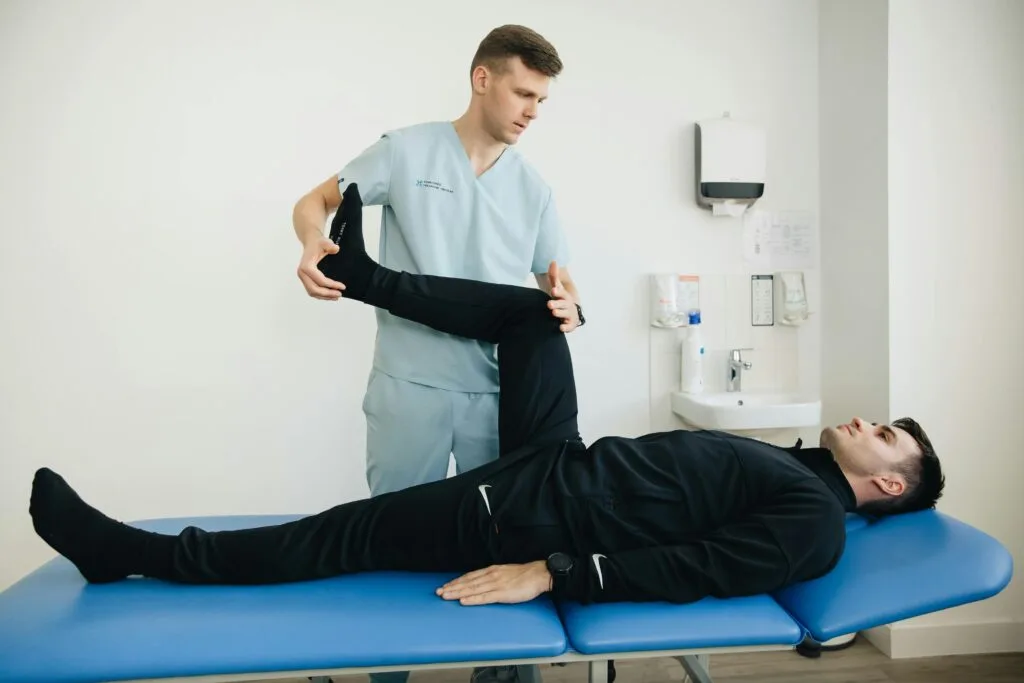
So, what exactly is assisted stretching, and how does it fit into the landscape of physical therapy? In essence, assisted stretching involves a trained professional – such as a physiotherapist or a qualified stretch practitioner – gently guiding your body through specific stretches. Unlike self-stretching, which relies on your own control and flexibility, assisted stretching allows an external practitioner to apply steady, controlled support to help you move further and more comfortably into each position.
This approach can be especially helpful in targeting specific muscle groups and may support improvements in mobility, especially when integrated as part of a broader rehabilitation programme. During self-stretching, your body’s natural stretch reflex limits how far you can go to protect your muscles from injury. A trained professional understands how to work within those limits, applying techniques that help your body feel safer and more relaxed in the stretch.
While assisted stretching isn’t a stand-alone treatment for all conditions, when used appropriately, it may contribute to improved flexibility, reduced muscular tension, and enhanced comfort. It’s an evidence-informed technique that, when guided by a skilled practitioner and tailored to your needs, can play a valuable role in your physical recovery and movement optimisation.
Is Assisted Stretching Painful?
This is a common question, and rightly so. Comfort and safety are key when it comes to any stretching technique. Generally, assisted stretching should not be painful when performed by a qualified practitioner. You may feel a deep stretch, a gentle pulling sensation, or mild discomfort near the end of your current range of motion – but sharp, shooting, or intense pain is a signal to stop immediately.
A well-trained physiotherapist or stretch practitioner will aim to work within your limits, helping you feel relaxed and supported throughout the session. If something doesn’t feel right, it’s essential to communicate this straight away. The stretch can always be adjusted.
The intended experience is one of supported release and improved comfort over time – not strain or distress. Always listen to your body, and seek guidance from a qualified professional if you’re unsure about what you’re feeling.
Beyond the Basics: How is Assisted Stretching Different from Regular Stretching?
You might be thinking, “I stretch every day, isn’t that enough?” And while regular stretching is undoubtedly beneficial, assisted stretching offers a distinct advantage, particularly in a therapeutic setting. It’s like comparing a casual stroll around your local park to a guided, personalised tour of a new city – both get you moving, but one offers a much richer, more targeted, and more profound experience.
Here’s a quick breakdown to help you see the difference:
| Feature | Regular Stretching (Self-Stretching) | Assisted Stretching in Physical Therapy |
| Control | You are in complete control, limited by your own strength, flexibility, and pain tolerance. | A physical therapist or stretch therapist applies controlled force, guiding you deeper into stretches safely. |
| Depth of Stretch | Often limited by your stretch reflex, preventing you from reaching your full potential. | Allows for deeper, more effective stretches by skilfully navigating the stretch reflex, offering a profound release. |
| Targeting | General, often relying on broad movements that may not isolate specific tight areas. | Highly precise, targeting individual muscles and connective tissues that are particularly restricted. The therapist can identify and address specific limitations with pinpoint accuracy. |
| Feedback | Self-assessment, which can be subjective and potentially lead to improper form or overstretching. | Immediate, expert feedback on form, technique, and sensation, ensuring safety and efficacy. The therapist can feel your resistance and adapt, like a master craftsman feeling the grain of wood. |
| Techniques Used | Primarily static assisted stretching (holding a stretch) or dynamic assisted stretching (moving through a range of motion). | Incorporates advanced techniques like PNF stretching (Proprioceptive Neuromuscular Facilitation), active assisted stretching, passive assisted stretching, contract-relax stretching, hold-relax stretching, pre-contraction stretching, and myofascial release. |
| Risk of Injury | Higher if not performed correctly or if you push too hard without proper knowledge. | Lower, as the therapist ensures proper alignment and monitors your response, reducing the risk of strain or injury. |
| Application | General flexibility, warm-ups, cool-downs. | Targeted injury rehabilitation stretching, pain relief stretching, post-surgery rehabilitation stretching, addressing chronic conditions, and performance enhancement. |
Who Can Benefit from Assisted Stretching? And Why it Matters
Assisted stretching offers a flexible, adaptable approach to movement enhancement and muscular health that can benefit a wide range of individuals – whether you’re an athlete, office worker, older adult, or simply someone aiming to move more comfortably.
So, Who May Benefit from Assisted Stretching?
Athletes
Assisted stretching may support improved joint mobility, movement efficiency, and recovery post-training. When integrated alongside a structured training programme, it can help address tight muscle groups and support injury prevention strategies. Athletes often use assisted stretching to maintain range of motion and functional balance during periods of intense physical load (Shrier, 2004).
Individuals with Chronic Muscular Tension
People experiencing muscular tightness – particularly those with sedentary routines or repetitive movement patterns – may benefit from stretch-based techniques that support improved tissue mobility and circulation. For example, assisted stretching may help alleviate the sense of muscular tension or stiffness often reported in the neck, shoulders, and lower back (Pourahmadi et al., 2020). However, this is not a substitute for medical treatment, and those with persistent pain should always consult a regulated healthcare professional such as a physiotherapist.
Older Adults
As flexibility naturally declines with age, assisted stretching – when performed safely – can help maintain mobility, support balance, and contribute to continued independence. Studies suggest flexibility interventions may assist with preserving function and improving ease of daily movement in older populations (Stanziano et al., 2009).
Post-Surgical or Rehabilitation Clients
In clinical rehabilitation settings, assisted stretching may be included (under professional supervision) as part of a broader physiotherapy plan to restore movement after surgery. This can include gentle mobilisation techniques to support joint range and tissue alignment – though it must always be tailored by a qualified professional in line with post-operative protocols (Hayes et al., 2006).
General Health and Wellbeing Seekers
You don’t need to be recovering from injury to benefit. Many people use assisted flexibility work as a proactive way to feel more mobile, reduce muscular tightness, and complement their daily movement or fitness routine. It may help improve ease of motion and support comfort during everyday tasks, such as bending, reaching, or walking.
The Deep Dive: Main Benefits of Assisted Stretching in Physical Therapy
Assisted stretching offers more than just temporary relief – it supports tangible improvements in movement, comfort, and overall physical function. When administered by a qualified professional such as a physiotherapist or trained practitioner, it can be an important part of both therapeutic and preventive strategies. Let’s explore its key benefits:
Improved Flexibility and Range of Motion (ROM)
A core benefit of assisted stretching is its ability to enhance joint mobility by gently encouraging muscles and connective tissues to lengthen beyond the limitations of solo stretching. Improved ROM can contribute to easier daily movements, such as reaching, bending, or walking comfortably (Gajdosik, 2005).
Reduced Muscle Tension and Stiffness
Prolonged sitting, poor posture, and repetitive strain can all contribute to persistent muscular tightness. Assisted techniques allow targeted release of this tension, offering a sense of muscular relief and ease, especially in commonly affected areas like the hips, neck, and shoulders.
Support for Pain Management
While not a treatment for all types of pain, assisted stretching can complement physiotherapy-based management plans by addressing muscular imbalances and restrictions that may contribute to discomfort. For certain individuals, this may offer relief from chronic tightness or postural strain (Pourahmadi et al., 2020). Always consult a regulated healthcare professional for pain-related concerns.
Athletic Performance Support
For athletes, increased flexibility may contribute to improved movement efficiency and biomechanical function. Assisted stretching can help optimise muscle activation, improve mobility in key joints, and support safer loading patterns during sports or training.
Post-Injury Recovery and Reconditioning
Assisted stretching may be included as part of a physiotherapist-supervised rehabilitation plan. It can help restore movement, improve tissue compliance, and support scar tissue alignment, all of which may assist recovery post-injury (Shrier, 2004). It should never replace appropriate medical or rehabilitative care.
Postural Improvements
Tight muscles in areas such as the chest, hip flexors, or hamstrings can negatively influence alignment. Stretching these tissues may support improved posture, especially when paired with strengthening of opposing muscle groups and ergonomic adjustments.
Enhanced Circulation
Gentle stretching helps stimulate circulation in muscles and soft tissues, encouraging delivery of nutrients and oxygen while aiding the removal of metabolic byproducts. This may support muscle recovery and tissue health.
Stress Reduction and Relaxation
Assisted stretching – when performed in a calm, supported environment – can also offer psychological benefits. The release of physical tension may promote a sense of relaxation and well-being, which some clients find helpful in managing everyday stress (Hayes et al., 2006).
Behind the Scenes: What Does a Typical Assisted Stretching Session Look Like?
So, you’re intrigued. You’re ready to try it. But what actually happens during an assisted stretch therapy session? Let’s walk through it, so you know exactly what to expect. First, your practitioner will begin with a brief consultation to understand your goals, lifestyle, and any relevant health history. Then, you’ll lie down or be guided into supported positions on a treatment table or mat. Using controlled, precise movements, the practitioner will gently stretch specific muscle groups -adjusting pressure and angle based on your comfort and feedback. Expect guided breathing, clear communication, and a focus on gradual, pain-free progress. Most sessions feel relaxing, and you’ll often leave feeling lighter, looser, and more mobile than when you walked in.
Do I Need Special Clothing for Assisted Stretching in PT?
Absolutely not! Just wear comfortable, loose-fitting clothing that allows for a full range of movement – think gym wear, yoga pants, or even just your favourite tracksuits. The key is unrestricted movement, not fashion.
When you arrive, your stretch therapist or physical therapist will likely start by having a friendly chat with you. They’ll ask about your medical history, any current aches or pains, your fitness goals, and what you hope to achieve from the sessions. This initial assessment is crucial for them to understand your unique needs and tailor the session accordingly. This is where the personalized aspect of professional stretch therapists customize assisted stretches for individuals truly shines.
Next, the therapist will likely conduct a physical assessment to identify any areas of tightness, muscle imbalances, or restricted movement. This might involve them gently moving your limbs through their range of motion, observing your posture, and perhaps asking you to perform some basic movements. They’re like skilled detectives, seeking out the hidden culprits of your stiffness.
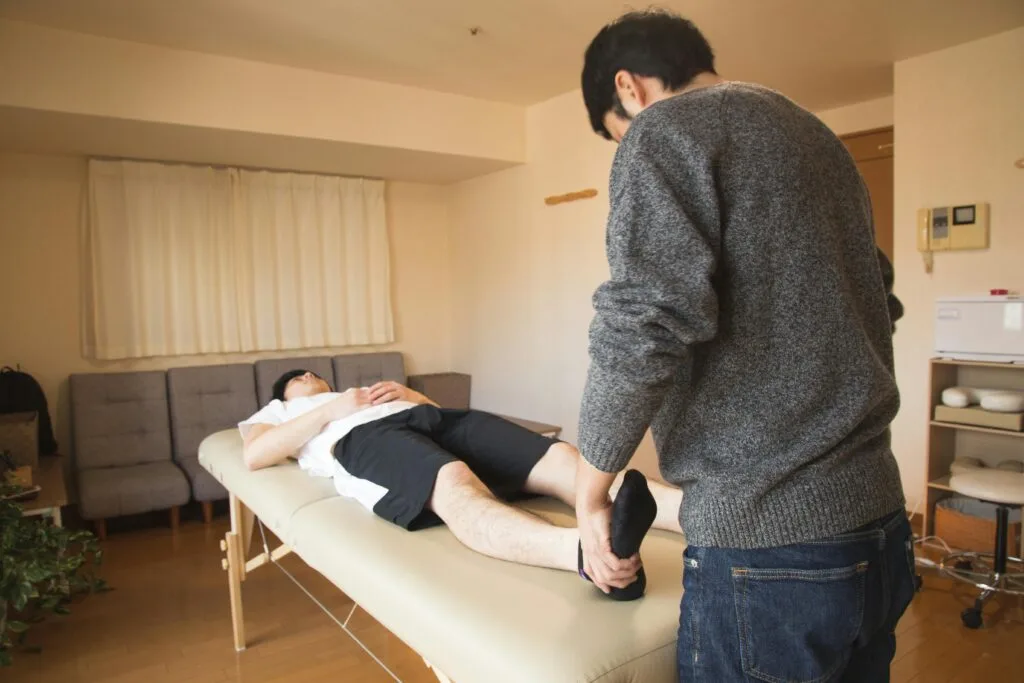
Once they have a clear picture, the session will begin. You’ll typically lie on a comfortable plinth or a soft mat. The therapist will then guide you through a series of stretches, one body part at a time. They’ll use various physical therapist stretching techniques, such as:
- Passive Assisted Stretching: Here, you relax completely while the therapist moves your limb through the stretch. This is often used to gently introduce movement to a restricted joint or muscle, feeling like a gentle unravelling.
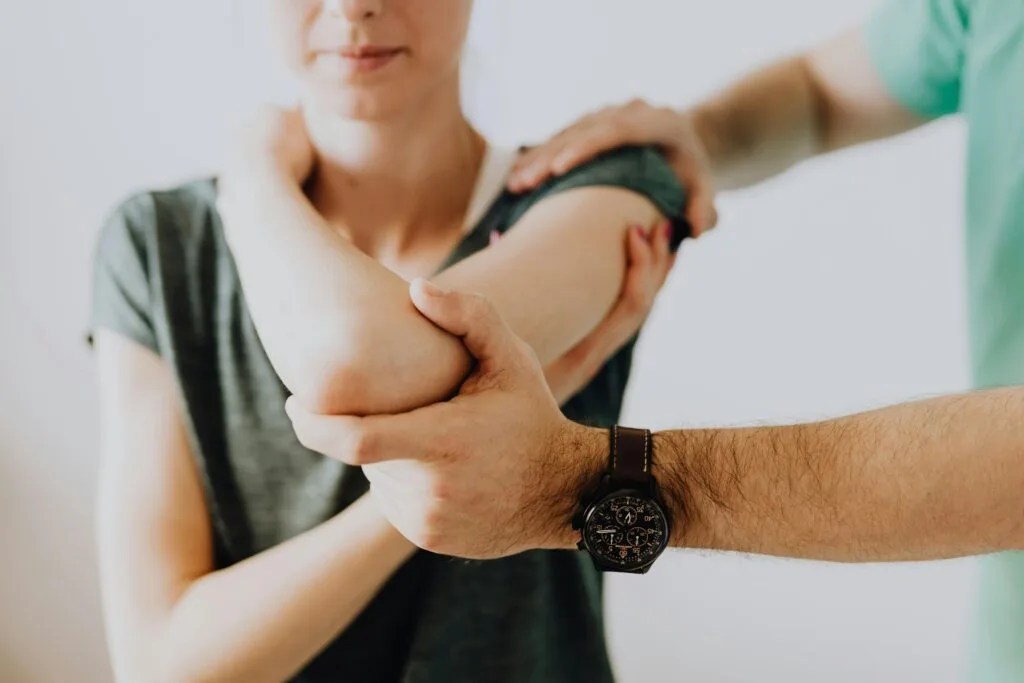
- Active Assisted Stretching: In this technique, you actively participate by trying to move your limb while the therapist provides gentle assistance, helping you to go a little further than you could on your own. This feels like a collaborative push towards greater mobility.
- PNF Stretching (Proprioceptive Neuromuscular Facilitation): This is a particularly effective technique that involves a cycle of contracting and relaxing the muscle being stretched. For example, the therapist might guide your leg into a stretch, then ask you to gently push against their hand for a few seconds (contract), and then relax. As you relax, they’ll gently push you deeper into the stretch (relax). This method, including contract-relax stretching and hold-relax stretching, has been shown to be highly effective in increasing flexibility by cleverly influencing the nervous system to allow a greater range of motion (Sharman et al., 2006).
The therapist will constantly communicate with you, asking about your comfort levels and sensations. They’ll never push you beyond what feels safe and comfortable. The session length can vary, but typically ranges from 30 minutes to an hour, leaving you feeling light and lengthened.
How Often Should You Do Assisted Stretching in PT?
The frequency of assisted stretching in physical therapy sessions really depends on your individual goals, the severity of any limitations, and your unique response to the therapy. For some, a few sessions might be enough to jumpstart their flexibility. For others, particularly those with chronic conditions or recovering from significant injuries, regular weekly or bi-weekly sessions might be recommended initially, gradually tapering off as you improve and your body begins to hold its new, liberated state. Your physical therapist will work with you to develop a personalized plan that suits your needs. Consistency, as with any good habit, is key to seeing lasting, transformative results.
Safety First: Are There Any Risks or Contraindications?
While assisted stretching is generally safe when performed by a qualified professional, it’s not a one-size-fits-all solution, and there are situations where it might not be suitable or requires extra caution. Just as a fine suit needs a skilled tailor, your body needs a skilled professional to ensure safety.
Risks (when not performed correctly):
- Muscle Strains or Tears: Pushing too hard or without proper technique can lead to muscle strains or even tears, a sharp, unwelcome jolt in your progress. This is why having a skilled, certified professional is paramount.
- Joint Instability: If you have hypermobility or inherently unstable joints, certain stretches might be contraindicated or require careful modification to avoid unnecessary stress.
- Nerve Irritation: Incorrect stretching can sometimes irritate nerves, leading to tingling, numbness, or increased pain, like a faint electrical current where it shouldn’t be.
Contraindications (when assisted stretching might be avoided or significantly modified):
- Acute Injuries: In the initial inflammatory phase of an acute injury (e.g., a fresh muscle tear, fracture, or severe sprain), stretching is often contraindicated as it can worsen the injury.
- Recent Surgery: While post-surgery rehabilitation stretching is beneficial, there are specific timelines and precautions that must be adhered to depending on the type of surgery. Your surgeon and physical therapist will provide guidance.
- Unstable Fractures or Dislocations: Stretching around an unstable fracture or dislocated joint is dangerous and should be avoided.
- Infections or Open Wounds: Stretching over infected areas or open wounds is not advisable due to the risk of exacerbating the condition.
- Certain Medical Conditions: Conditions like deep vein thrombosis (DVT), certain bone conditions (e.g., osteoporosis with high fracture risk), or severe arthritis might require modified approaches or be contraindications.
- Severe Pain: If any stretch causes sharp, shooting, or unbearable pain, it should be stopped immediately.
What safety precautions should I consider with assisted stretching sessions? Always ensure your therapist is qualified, certified, and experienced. Communicate openly about any discomfort or pain – your voice is your most important tool during a session. Don’t push beyond your limits, even if encouraged to do so by a less experienced practitioner. If you’re looking for a reliable stretch professional in the UK, you might consider checking out reputable providers like StretchMasters®, who adhere to high standards of practice and prioritize your well-being.
Targeted Relief: Can Assisted Stretching Help with Specific Conditions?
Absolutely. This is where the precision and clinical relevance of therapist-guided stretching techniques truly come into their own. Assisted stretching can be strategically applied to support individuals dealing with a range of musculoskeletal issues, always within a safe, personalised framework.
- Back Pain: Many people with chronic lower back discomfort experience contributing tightness in the hamstrings, hip flexors, or glutes, which may influence pelvic alignment and spinal load. Guided stretching can help improve flexibility in these areas, potentially alleviating muscular tension and supporting better posture and spinal mechanics (Pourahmadi et al., 2020).
- Post-Surgical Recovery: After procedures such as hip or knee replacement, maintaining or gradually restoring range of motion is essential. With appropriate medical clearance, therapist-assisted stretching can help support joint mobility and comfort during rehabilitation, guided carefully to avoid overloading healing tissues.
- Neck and Shoulder Tension: For clients experiencing postural-related discomfort, such as tight shoulders or tension headaches from prolonged desk work, assisted stretching techniques can gently target the upper traps, pectorals, and cervical musculature to help restore mobility and reduce stiffness.
- Sciatica-like Symptoms: Where symptoms are linked to muscular tension (such as piriformis-related irritation of the sciatic nerve), appropriately applied stretching techniques may help reduce compression and support functional movement – though this should always be part of a broader clinical assessment and care plan.
- Plantar Fasciitis: In some cases, reduced flexibility in the calves or Achilles tendon can increase strain through the plantar fascia. Targeted lower limb stretching, when combined with a broader rehabilitation programme, may support symptom management and functional improvement.
As with all physical therapy interventions, individual needs, medical history, and clinical judgement determine whether assisted stretching is appropriate. Always consult a qualified professional for tailored advice.
The Science Behind the Stretch: How Does Assisted Stretching Improve Flexibility and Range of Motion?
Improving flexibility isn’t about simply “pulling harder.” The true effectiveness of assisted stretching lies in its ability to work with your body’s neuromuscular system – the complex interaction between your brain, muscles, and connective tissues.
Your body is equipped with protective mechanisms that regulate how far and how fast a muscle can safely stretch. Two key players here are:
- Muscle Spindles: These sensory receptors detect changes in muscle length and speed. If a stretch occurs too quickly, they trigger the stretch reflex, causing the muscle to contract and resist lengthening to prevent potential injury.
- Golgi Tendon Organs (GTOs): Located at the junction where muscle meets tendon, GTOs respond to tension. When a muscle is gently contracted or placed under sustained stretch, GTOs can send signals to help the muscle relax more deeply – a process known as autogenic inhibition.
Assisted stretching techniques – particularly PNF (Proprioceptive Neuromuscular Facilitation) methods such as contract-relax and hold-relax – are designed to harness these reflexes. With therapist guidance, you perform a gentle contraction of the target muscle, followed by a passive stretch. This engages the GTOs, encouraging a deeper relaxation response and allowing a greater range of motion than would typically be achievable through solo stretching (Sharman et al., 2006).
In addition to these reflexive effects, regular assisted stretching contributes to longer-term physiological adaptations:
- Increased Muscle Length: With consistent stretching, muscle fibres (specifically the sarcomeres) may gradually adapt to support a greater resting length.
- Improved Tissue Compliance: Connective tissues such as fascia, tendons, and ligaments respond to sustained, low-intensity loading by becoming more pliable, reducing passive stiffness and improving joint mobility.
- Neural Adaptation: Repeated exposure to stretching teaches the nervous system to become more tolerant to greater ranges of motion, gradually reducing the body’s protective response to stretching and enhancing movement freedom.
Altogether, this carefully guided approach not only improves flexibility but also supports functional mobility, reduces injury risk, and enhances overall body awareness. It’s a sophisticated process – but one that can yield impressive, evidence-based results when performed correctly under professional guidance.
The Future of Movement is Flexible
If you’re feeling restricted, stiff, or less mobile than you’d like, assisted stretching delivered by a trained professional may offer a powerful, evidence-informed path to improvement. It’s not simply about flexibility – it’s about restoring ease, comfort, and confidence in how your body moves.
Whether you’re an athlete aiming to optimise performance, someone recovering from an injury, or simply looking to maintain an active, independent lifestyle, working with a qualified physical therapist or stretch professional can provide personalised, targeted support. Assisted stretching is a safe and effective tool when used appropriately, helping to reduce muscle tension, improve joint mobility, and support your physical wellbeing. If you’re ready to move more freely, safely, and comfortably, consider speaking with a physiotherapist or exploring trusted services like those offered at StretchMasters®. Reclaiming your movement might be just one stretch session away – and your body will feel the difference.
Related Blogs from StretchMasters®
- How to Combine Assisted Stretching with Strength Training
- Stand Tall, Live Fully: How Assisted Stretching Can Support Better Posture
- The Ultimate Checklist for Effective Assisted Stretching Sessions
References
Hayes, S. C., Rye, S., Disipio, T., Yates, P., Bashford, J., Pyke, C., Saunders, C., Hill, M., & Reul-Hirche, H. (2006). Progressive resistance training and stretching following surgery for breast cancer: A multi-centre randomised controlled trial. BMC Cancer, 6, 273. https://doi.org/10.1186/1471-2407-6-273
Pourahmadi M, Sahebalam M, Bagheri R. Effectiveness of Proprioceptive Neuromuscular Facilitation on Pain Intensity and Functional Disability in Patients with Low Back Pain: A Systematic Review and Meta-Analysis. Arch Bone Jt Surg. 2020 Jul;8(4):479-501. doi: 10.22038/abjs.2020.45455.2245. https://pmc.ncbi.nlm.nih.gov/articles/PMC7443075/
Sharman, M. J., Cresswell, A. G., & Riek, R. F. (2006). Proprioceptive Neuromuscular Facilitation (PNF) Stretching: Mechanisms and Clinical Implications. Sports Medicine, 36(11), 929–939. https://doi.org/10.2165/00007256-200636110-00002
Shrier, I. (2004). Does stretching improve performance? A systematic and critical review of the literature. Clinical Journal of Sport Medicine, 14(5), 267–273. https://doi.org/10.1097/00042752-200409000-00004
Stanziano DC, Roos BA, Perry AC, Lai S, Signorile JF. (2009) The effects of an active-assisted stretching program on functional performance in elderly persons: a pilot study. Clin Interv Aging. 2009;4:115-20. doi: 10.2147/cia.s4152. https://pmc.ncbi.nlm.nih.gov/articles/PMC2685233/
Disclaimer:
The content on this blog is provided for general information and wellness purposes only. It should not be considered medical advice, diagnosis, or treatment. StretchMasters® services, including assisted stretching, are intended to support overall wellbeing and are not a substitute for professional healthcare guidance. While reasonable care has been taken in preparing and verifying the information presented in this blog, StretchMasters® makes no claims, representations, or guarantees regarding its completeness, accuracy, reliability, suitability or availability with respect to the website or the information, products, services, or related graphics contained on the website for any purpose. This content is intended for general informational purposes only and is not a scientific article. Inconsistencies, inaccuracies, or errors — including in paraphrasing and citation — may be present. Any reliance you place on such information is therefore strictly at your own risk. We strive to ensure that all information is accurate and up to date; however, due to the evolving nature of health research, we cannot guarantee that all content reflects the latest evidence. Additionally, external links shared in blog posts may change, be updated, or become inactive over time without notice. Always consult with a qualified medical professional before starting any new therapy, especially if you have existing health conditions. StretchMasters®, its parent company Skuil Ltd, and affiliated clinics accept no liability for decisions made based on this content. Opinions expressed in individual blog posts are those of the authors and do not necessarily reflect the views or policies of StretchMasters® or its subsidiaries. Any reference to third-party organisations, websites, services, or products is not an endorsement.