
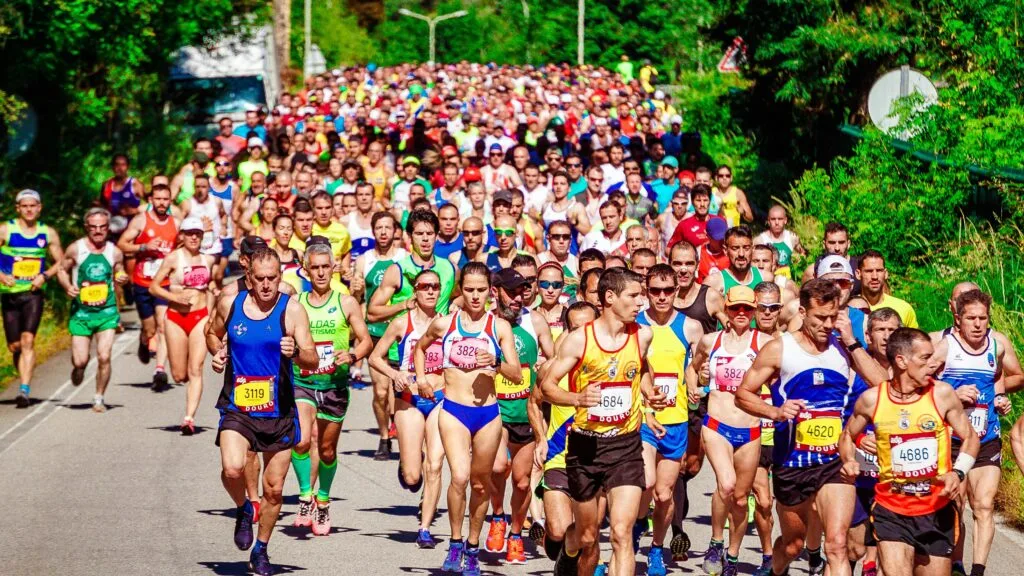
The road to a marathon is a long one, paved with early mornings, late-night runs, and the kind of muscle aches that become an uncomfortable badge of honour. As you pound the pavements, logging mile after mile, you become intimately acquainted with your body’s limits. That tight feeling in your hamstrings, the persistent ache in your calves, the subtle but nagging tension in your hips – these aren’t just minor inconveniences. They’re signals. They’re your body telling you it’s working hard, but also that it needs some serious TLC to keep up the pace without breaking down.
This is where runners may hit a wall, literally and figuratively. We focus so much on the running itself – the distance, the pace, the splits – that we often neglect the crucial groundwork of recovery and maintenance. You can have the perfect running shoes, a flawless training plan, and a diet packed with all the right nutrients, but if your muscles are knotted and your joints are stiff, you’re building a house on a shaky foundation.
So, how do you address this? Many turn to traditional self-stretching, which is good, but often doesn’t cut it. To truly unlock your full potential and navigate the relentless demands of marathon training, you need something more targeted, more intensive, and more effective. You need to consider assisted stretching. For some runners it can be a game-changer, and it’s something that, I believe, deserves a prime spot in every dedicated runner’s routine.
What Is Assisted Stretching and How Does It Help Marathon Training?
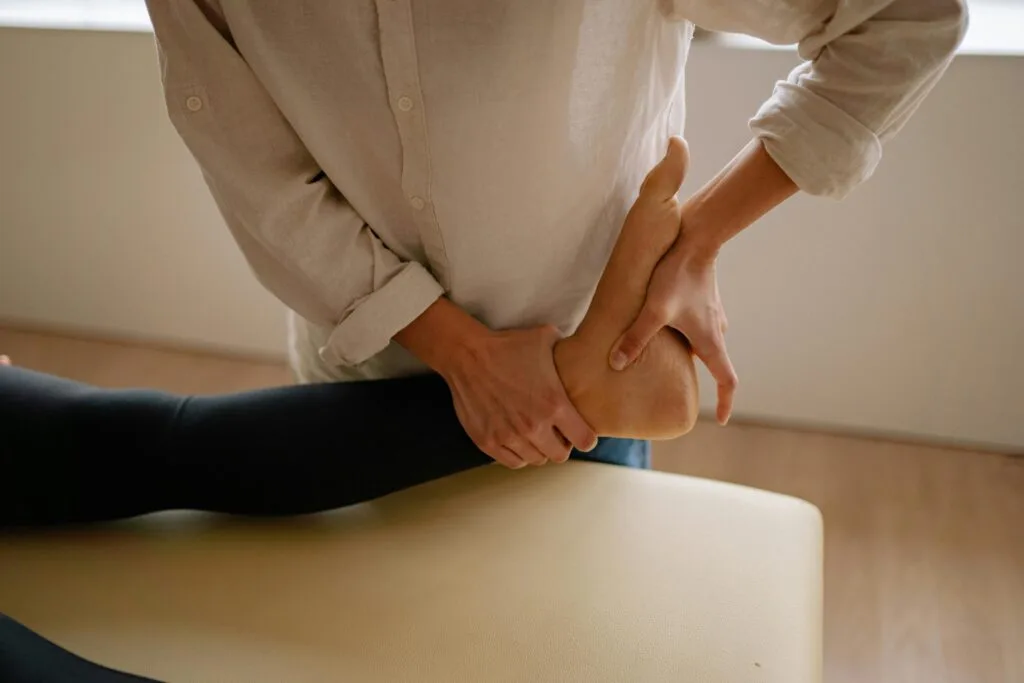
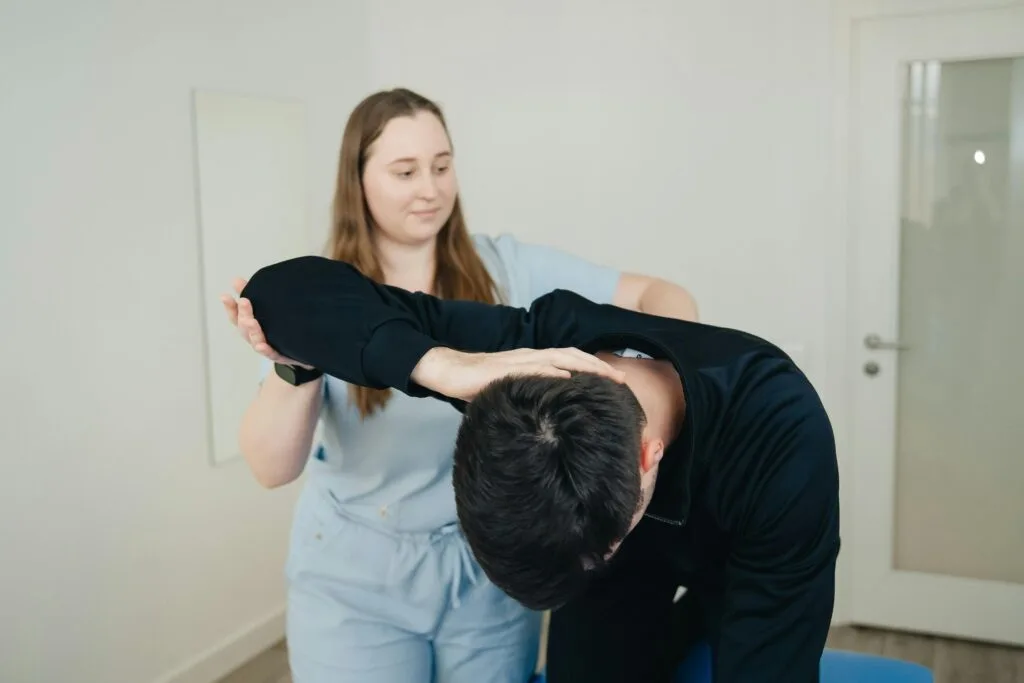
Think of a typical stretch you do on your own. You move into a position, feel a gentle pull, and hold it there, limited by your own flexibility and the natural protective tension of your muscles. Now, imagine a trained professional taking that same stretch and gently guiding your body into a deeper, more effective range of motion. That’s assisted stretching. It’s a one-on-one session with a certified stretch therapist who uses their expertise to apply precise pressure and leverage, helping your muscles relax and extend beyond what you could achieve by yourself. This is especially valuable for targeting deep muscle fibres and connective tissues that are difficult to isolate with self-stretching.
Assisted stretching can be particularly helpful for marathon training because it directly addresses the cumulative stress and repetitive motion that running places on your body. Running primarily uses a forward-and-backward motion, which can lead to muscle imbalances and a limited range of motion over time. This can cause some muscle groups to become over-developed and tight, while others become weak and under-utilised. Assisted stretching helps to restore this muscular balance and improve flexibility, which are critical for maintaining a strong, efficient running stride and significantly reducing the likelihood of common running injuries.
Note: While all forms of stretching provide improvement in Range of Motion (ROM) studies have found that athletes should not use assisted and unassisted proprioceptive neuromuscular facilitation techniques and static stretching techniques before important competitions or training because of the impairment of limb velocity and Movement Time (Maddigan, et al., 2012). This makes it more important to follow the guidance of a trained practitioner.
A Closer Look: Assisted Stretching vs. Traditional Stretching
To really understand the difference, let’s break it down in a simple table.
| Feature | Self-Stretching (Static) | Assisted Stretching |
| Effort | Active, relies on your own muscle strength and flexibility. | Passive, the therapist does the work for you. |
| Depth | Limited to your current range of motion and pain tolerance. | Pushed safely and gently beyond your self-imposed limits with expert guidance. |
| Technique | Often relies on general knowledge and YouTube videos. | Precise, guided by a professional with a deep understanding of anatomy. |
| Muscles Targeted | Can be difficult to isolate specific muscles or fascia. | Specific, targeted work on problem areas and deep tissue. |
| Benefits | Improves general flexibility. | Enhances specific flexibility, mobility, and accelerates recovery. |
| Risk of Injury | Low, but can be a risk if not done correctly, especially when pushing too far. | Extremely low when performed by a certified therapist who understands your body’s limits. |

How Does Assisted Stretching Improve Running Performance and Stride Length?
Running performance isn’t just about endurance; it’s about efficiency. An optimal running stride is like a well-oiled machine, and a key component of that machine is flexibility and mobility. When your muscles and joints are supple, your stride becomes longer and more fluid, allowing you to cover more ground with less effort. This is where assisted stretching truly shines, acting as a crucial performance enhancer in your marathon toolkit.
By targeting key areas like the hip flexors, hamstrings, and glutes, assisted stretching can help release tightness that limits hip extension and knee drive. When these muscles are able to move through their full, natural range of motion, your running stride naturally lengthens. This means you cover more ground with each step, which can lead to a more efficient and faster pace without expending extra energy. Research suggests that improving flexibility through methods like proprioceptive neuromuscular facilitation (PNF) stretching – a technique often used in assisted stretching – can lead to short-term improvements in sprint performance and agility in athletes (Dsouza & Kumar,2024; Venkateshwarlu, 2024).
Think of your leg as a pendulum. A stiff pendulum doesn’t swing as freely or as far as a loose one. Similarly, a tight hamstring or hip flexor acts like a brake on your running motion, forcing you to use more energy to overcome the resistance. By releasing that tension, assisted stretching effectively “lubricates” your body’s machine, allowing it to move with greater ease and power. This improved biomechanics not only boosts your performance but also puts less strain on your joints, tendons, and ligaments, making you a more resilient runner.
Can Assisted Stretching Speed Up Recovery After Long Runs?
After a gruelling long run, your muscles are full of microscopic tears and metabolic waste products. They feel tight, sore, and sometimes even tender to the touch. This is the body’s natural response to stress, but it’s also a major bottleneck in your training cycle. The faster you can recover, the sooner you can get back to training effectively and without risk of injury.
Assisted stretching may accelerate this recovery process. By gently moving your limbs through a full range of motion, a stretch therapist can help increase blood flow to the muscles. This improved circulation delivers essential oxygen and nutrients while also helping to flush out the waste products that contribute to soreness (Kruse & Scheuermann, 2016; Çalışkan, 2019). This is particularly useful for the deep-seated muscle fibres that are hard to reach with self-stretching. It’s an active form of recovery that is more effective than simply sitting on the sofa. There is evidence that dynamic stretching is more effective than cold water immersion for post-exercise recovery and muscle performance in recreational runners (Ahamed & Jothilingam, 2025).
While the jury is still out on whether stretching directly reduces Delayed Onset Muscle Soreness (DOMS), the anecdotal evidence from runners and the physiological benefits of improved circulation and reduced muscle tension are hard to ignore. Many runners report feeling a significant reduction in post-run tightness and a faster return to their normal training rhythm after incorporating assisted stretch therapy. This means less downtime and a more consistent training schedule, which is exactly what you need to build the endurance for a marathon.
What Muscles Are Targeted Most in Assisted Stretching for Marathoners?
Marathon training puts a huge amount of stress on a specific set of muscles due to the repetitive, high-impact nature of running. A good assisted stretching routine for a runner will therefore focus on these key areas to address the imbalances and tightness that are most common. A professional stretch therapist won’t just give you a generic routine; they will perform a physical assessment to identify your specific tight spots and limitations, and then tailor the session to your needs.
Here’s a breakdown of the primary muscles and why they matter for marathon runners:
- Hip Flexors: These muscles, located at the front of your hips, get incredibly tight from the repetitive knee-lifting motion of running and from long periods of sitting. Tight hip flexors can lead to a host of problems, including lower back pain and a compromised running form, as they pull your pelvis into an anterior tilt.
- Hamstrings: The hamstrings work hard to extend your hip and flex your knee. If they are tight, they can limit stride length and put excessive strain on your knees and lower back. This can also lead to a higher risk of hamstring strains.
- Glutes: Your glutes are a powerhouse for running, providing propulsion and stability. Weak or tight glutes can lead to a domino effect of issues, including knee pain and IT band syndrome, because other muscles have to compensate for their lack of function.
- Calves (Gastrocnemius and Soleus): These muscles are crucial for pushing off the ground. Tight calves can contribute to a range of lower leg problems, including Achilles tendonitis and plantar fasciitis.
- Quadriceps: The quads are a major shock absorber. Tight quads can pull on your kneecap, leading to anterior knee pain and patellofemoral pain syndrome.
- IT Band (Iliotibial Band): While not a muscle, this long band of connective tissue running down the side of your thigh can become notoriously tight in runners, causing pain around the knee or hip. A stretch therapist can use targeted techniques to help release tension in the muscles surrounding the IT band, which can in turn provide significant relief.
A skilled stretch therapist will have a deep understanding of these connections and will use a variety of techniques to target them. This can include PNF stretching, dynamic stretching, and even myofascial release, all tailored to your specific needs. It’s a bespoke service that goes far beyond a generic stretching routine. For more information on this, you can check out the StretchMasters® blog, which provides a wealth of resources on this topic.
How Often Should Marathon Runners Do Assisted Stretching?
This is a common question, and the answer isn’t one-size-fits-all. The ideal frequency for assisted stretching depends on several factors, including your training volume, your personal flexibility, and your injury history. There’s no magic number, but we can offer some general guidelines.
A good general guideline is to incorporate assisted stretching into your routine once every one to two weeks. This regular schedule helps maintain flexibility and address minor muscle tightness before it becomes a bigger issue. For a more intense training block or if you’re dealing with a specific area of tightness, you might find that a weekly session is more beneficial. Think of it as a maintenance tool rather than a quick fix. It’s a preventative measure that keeps your body in optimal condition.
Here’s a potential schedule to consider:
- During a normal training week: A session every 7-14 days. This helps to maintain your baseline flexibility and address minor muscle tightness that accumulates from regular runs.
- During peak training weeks (high mileage): A session every 5-7 days. The increased volume and intensity demand more frequent and intensive recovery efforts.
- In the final weeks before the marathon (taper period): A session early in the taper to help release any last-minute tension, but avoid it in the final few days to prevent any unexpected muscle soreness before race day. It’s best to let your body rest and prepare.
It’s also important to note that assisted stretching is a complementary tool. It doesn’t replace your daily warm-ups or cool-downs. Instead, it enhances them, providing a deeper level of care that your body needs to endure the marathon journey. You can read more about how a consistent stretching routine benefits athletes on the StretchMasters® blog.
Is It Better to Do Assisted Stretching Before or After Running?
This is a crucial question that gets at the heart of stretching methodology. The short answer is: both, but for different reasons. The timing of your stretch session will dictate the type of stretching that is most appropriate.
Before running (Pre-run): The goal here is to prepare your body for the task at hand. The best approach is to use a dynamic style of assisted stretching. Dynamic stretches involve controlled, flowing movements that warm up your muscles and increase blood flow, preparing them for the rigours of running. For example, a therapist might guide you through leg swings, hip circles, or torso rotations to activate the muscles and improve joint mobility. A common misconception is that static stretching is useful before a run, but research suggests that prolonged static stretching before exercise may actually decrease muscle power and performance (Kay & Blazevich, 2012; Behm et al., 2016; Dos Reis, 2024). Therefore, if you do engage in assisted stretching pre-run, it should be focused on dynamic movements to prepare your body, not lengthen your muscles.
After running (Post-run): This is where static assisted stretching truly shines. The goal now is to aid in recovery and restore your muscles to their pre-run length and flexibility. After a long run, your muscles are warm and pliable, making them more receptive to stretching. A stretch therapist can use this opportunity to gently guide you through a series of deeper stretches, targeting the areas that have become tight during your run. This helps reduce muscle tension, improve circulation, and speed up the recovery process. This is the more traditional and widely accepted time for a full assisted stretching session and is where many runners report the greatest benefits.
The Verdict: While a quick, dynamic session before a run can be helpful, the real benefit of a dedicated assisted stretching session for marathon runners is in the post-run recovery phase. This is when your muscles are most receptive and when the deep, targeted work of a therapist can have the biggest impact on your recovery and long-term flexibility.
Can Assisted Stretching Help with Common Running Injuries?
Ah, the dreaded running injuries. Whether it’s the sharp pain of plantar fasciitis or the persistent ache of IT band syndrome, injuries are often the biggest roadblock on the marathon journey. While assisted stretching isn’t a magic bullet that can cure all injuries, it may be a powerful and effective adjunct tool in both prevention and rehabilitation. There is some evidence to suggest that stretching does not reduce all-injury risk but probably reduces the risk of some injuries, and does reduce the risk of bothersome soreness (Jamtvedt, 2009). It is a key component of a comprehensive injury management strategy, working alongside other therapies like strength training and physical therapy.
Many common running injuries are rooted in muscle imbalances, tightness, or poor movement patterns. For example, IT band syndrome is often linked to tightness in the hip flexors and weakness in the glutes. Plantar fasciitis can be exacerbated by tight calf muscles and a lack of flexibility in the foot and ankle.
Assisted stretching can address these underlying causes by:
- Improving Flexibility: By systematically increasing the range of motion in key muscles, assisted stretching helps correct the imbalances that lead to injuries. This allows your body to move in a more efficient and less stressful way.
- Reducing Muscle Tension: Chronic tension in muscles can pull on tendons and joints, leading to inflammation and pain. Regular stretching can help relieve this pressure, reducing the likelihood of tendonitis and other overuse injuries.
- Improving Biomechanics: When your muscles are more flexible and balanced, your running form naturally improves. This more efficient biomechanics can reduce the strain on vulnerable joints and connective tissues.
It’s crucial to note that if you are experiencing pain or have a diagnosed injury, you should always consult with a healthcare professional, such as a physiotherapist or your GP. However, many physiotherapists and sports rehabilitation experts now incorporate stretching and manual therapy, including assisted stretching, into their treatment plans as a way to support recovery and prevent future recurrence. The StretchMasters® blog provides further insights into how various stretching techniques can aid in injury prevention.
Where Can I Find a Certified Stretch Therapist for Marathon Training?
Finding a qualified professional is perhaps the most important step in your assisted stretching journey. Just like you wouldn’t trust your training plan to just anyone, you shouldn’t trust your body to an unqualified individual. A certified stretch therapist has a deep understanding of human anatomy, physiology, and stretching techniques. They know how to safely and effectively apply pressure to achieve results without causing injury. They should also be able to communicate effectively, explaining what they’re doing and why, and making you feel comfortable throughout the process.
Here are a few tips for finding the right therapist:
- Look for Certifications: Search for individuals with certifications from reputable bodies.
- Check for Experience: Ask about their experience working with runners and athletes. An experienced therapist will understand the specific demands and common problem areas of marathon training.
- Read Reviews and Testimonials: See what other clients, especially runners, have to say about their services. A quick search of online reviews can give you a good sense of their reputation and expertise.
- Consult with a Physiotherapist: Your physiotherapist may be able to recommend a good stretch therapist as part of your overall care, especially if you have a history of injuries.
Wrapping Up: Your Marathon Awaits
Preparing for a marathon is a holistic journey, encompassing your physical training, mental fortitude, and a deep commitment to your body’s well-being. Assisted stretching for marathon training is not just another item on your to-do list; it’s a vital component of a successful, healthy, and enjoyable training cycle. It’s the difference between merely finishing the race and finishing it feeling strong, resilient, and ready for the next challenge.
By incorporating assisted stretching into your routine, you are taking a proactive step toward injury prevention, faster recovery, and a more efficient running stride. You are investing in yourself and your ability to meet the demands of the marathon head-on. So, as you lace up your shoes for your next run, remember that the miles you log are only half the battle. The other half is in how you treat your body afterwards.
Ready to take your training to the next level? Discover the benefits of professional assisted stretching and feel the difference for yourself. Your marathon journey deserves nothing less.
Related Blog Posts from Stretchmasters.co.uk
- The Top 5 Assisted Stretching Mistakes to Avoid
- How to Incorporate Assisted Stretching into Your Daily Routine
- Assisted Stretching for Injury Prevention: What You Should Know
- Why Athletes Should Try Assisted Stretching
References
- Ahamed, A., & Jothilingam, M. (2025). Comparing the effectiveness of dynamic stretching vs cold water immersion on muscle performance and recovery in recreational runners: A comparative study. International Journal of Scientific Research in Engineering and Management, ?(?), ?-?. https://doi.org/10.55041/ijsrem44015
- Behm, D. G., Blazevich, A. J., Kay, A. D., & McHugh, M. (2016). Acute effects of muscle stretching on physical performance, range of motion, and injury incidence in healthy active individuals: A systematic review. Applied Physiology, Nutrition, and Metabolism, 41(1), 1–11. https://doi.org/10.1139/apnm-2015-0235
- Çalışkan, E., Akkoç, O., Bayramoğlu, Z., Gozubuyuk, O. B., Kural, D., Azamat, S., & Adaletli, I. (2019). Effects of static stretching duration on muscle stiffness and blood flow in the rectus femoris in adolescents. Medical Ultrasonography, 21(2), 136–143. https://doi.org/10.11152/MU-1859
- Dos Reis, A. L., de Oliveira, L. C., de Souza, A. Y. V., Stabelini Neto, A., & de Oliveira, R. G. (2024). Effects of stretching on muscle strength, endurance, and power performance: A systematic review and meta-analysis. Isokinetics and Exercise Science, 32(3), 181-197. https://doi.org/10.3233/IES-220120
- Dsouza, C. D., & Kumar, N. (2024). A study to evaluate the immediate effect of proprioceptive neuromuscular facilitation versus active dynamic stretching during warm-up on 20-meter sprint in amateur soccer players. International Journal of Research in Medical Sciences, 12(4), 1176–1181. https://doi.org/10.18203/2320-6012.ijrms20240840
- Jamtvedt, G., Herbert, R., Flottorp, S., Odgaard-Jensen, J., Håvelsrud, K., Barratt, A., Mathieu, E., Burls, A., & Oxman, A. (2009). A pragmatic randomised trial of stretching before and after physical activity to prevent injury and soreness. British Journal of Sports Medicine. Advance online publication. https://doi.org/10.1136/bjsm.2009.062232
- Kay, A. D., & Blazevich, A. J. (2012). Effect of acute static stretch on maximal muscle performance: A systematic review. Medicine & Science in Sports & Exercise, 44(1), 154–164. https://doi.org/10.1249/MSS.0b013e318225cb27
- Kruse, N. T., & Scheuermann, B. W. (2016). Effect of self-administered stretching on NIRS-measured oxygenation dynamics. Clinical Physiology and Functional Imaging, 36(2), 126–133. https://doi.org/10.1111/cpf.12205
- Maddigan, M. E., Peach, A. A., & Behm, D. G. (2012). A comparison of assisted and unassisted proprioceptive neuromuscular facilitation techniques and static stretching. Journal of Strength and Conditioning Research, 26(5), 1238–1244. https://doi.org/10.1519/JSC.0b013e3182510611
- Venkateshwarlu, N., Staderini, E. M., & Balne, N. K. (2024). Study of static vs proprioceptive neuromuscular facilitation stretching of tight hamstrings, and its effect on lower limb flexibility and speed of sprinter – A comparative study. Galore International Journal of Health Sciences and Research, 8(4), XX-XX. https://doi.org/10.52403/gijhsr.20230415
- Wyon, M., Twitchett, E., Angioi, M., Clarke, F., Metsios, G., & Ring, J. (2013). The effects of either a seated stretch or a standing stretch on ankle joint range of motion and performance in dancers. Journal of Dance Medicine & Science, 17(4), 164–172. https://doi.org/10.12678/1089-313X/JDMS.17.164
Disclaimer:
The content on this blog is provided for general information and wellness purposes only. It should not be considered medical advice, diagnosis, or treatment. StretchMasters® services, including assisted stretching, are intended to support overall wellbeing and are not a substitute for professional healthcare guidance. While reasonable care has been taken in preparing and verifying the information presented in this blog, StretchMasters® makes no claims, representations, or guarantees regarding its completeness, accuracy, reliability, suitability or availability with respect to the website or the information, products, services, or related graphics contained on the website for any purpose. This content is intended for general informational purposes only and is not a scientific article. Inconsistencies, inaccuracies, or errors — including in paraphrasing and citation — may be present. Any reliance you place on such information is therefore strictly at your own risk. We strive to ensure that all information is accurate and up to date; however, due to the evolving nature of health research, we cannot guarantee that all content reflects the latest evidence. Additionally, external links shared in blog posts may change, be updated, or become inactive over time without notice. Always consult with a qualified medical professional before starting any new therapy, especially if you have existing health conditions. StretchMasters®, its parent company Skuil Ltd, and affiliated clinics accept no liability for decisions made or outcomes based on this content. Opinions expressed in individual blog posts are those of the authors and do not necessarily reflect the views or policies of StretchMasters® or its subsidiaries. Any reference to third-party organisations, websites, services, or products is not an endorsement.