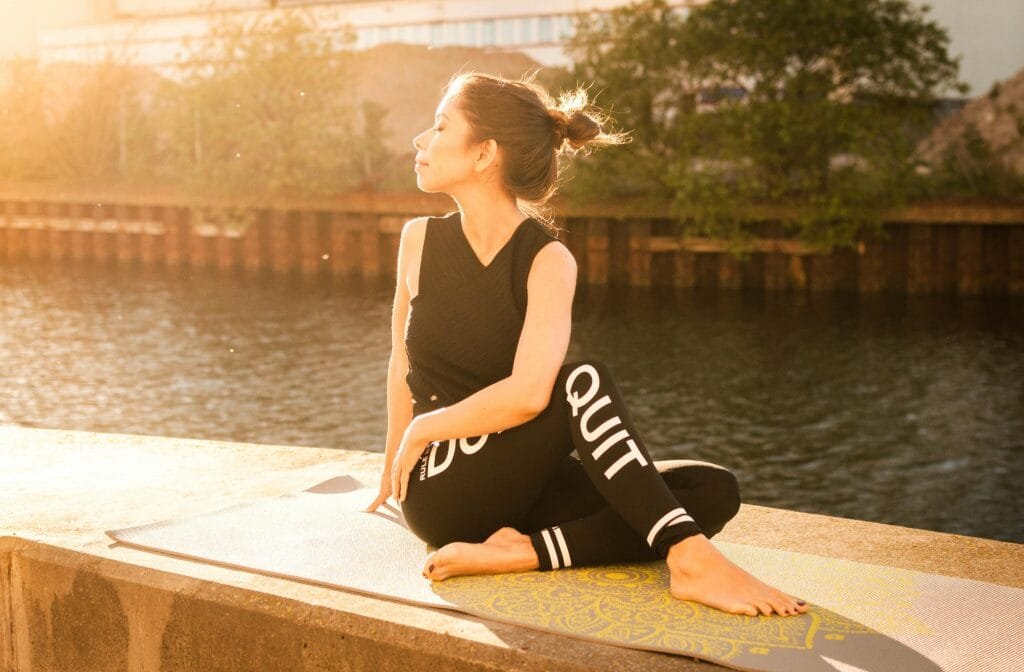
Life in the modern world moves quickly – from the rush to catch the morning train to weekend walks across parks and countryside. Our bodies are constantly adjusting to the demands of modern routines. Yet, how often do we take time to support our physical wellbeing with more than a quick workout or the occasional stretch?
Assisted stretching offers a structured and guided way to support flexibility, posture, and general mobility. Once reserved mainly for athletes and rehabilitation settings, it’s now increasingly used by people of all ages looking to complement their existing wellness habits in a safe, supported way.
Whether you’re feeling tight from hours at a desk or simply looking to move more freely, assisted stretching can offer valuable support. With the help of a trained practitioner, sessions are designed to gently guide you through controlled movements – aimed at reducing stiffness and enhancing joint mobility where appropriate.
In this article, we’ll explore how to build assisted stretching into your weekly routine, what to expect from a session, and how it can help promote a more balanced and comfortable approach to movement – whatever your lifestyle.
What Is Assisted Stretching and How Does It Work?
Assisted stretching is a form of guided movement where a trained professional – such as a stretch therapist, fitness practitioner, or physiotherapist – helps support and guide your body through controlled stretching exercises. The aim is to gently increase joint range of motion, support flexibility, and reduce muscle tension through structured techniques (Sharman et al., 2006).
When stretching alone, your muscles often activate protective mechanisms that limit the depth of the stretch. With external support, the body can sometimes relax more effectively into a position, allowing for a more targeted and supported experience. Assisted stretching is commonly used to complement other physical wellbeing approaches and is tailored to your personal movement needs.
There are several well-established techniques that may be used in a session, depending on your goals and needs:
- Static Assisted Stretching: This technique involves holding a stretch for a sustained period, typically 20–60 seconds. The practitioner gently maintains the position, aiming to encourage gradual soft tissue lengthening and support general flexibility.
- Dynamic Assisted Stretching: This method uses slow, controlled movements through a joint’s available range of motion. The aim is often to support coordination and warm up the body for movement-based tasks or sport.
- Proprioceptive Neuromuscular Facilitation (PNF) Stretching: A more advanced technique often used by trained professionals, PNF combines a brief muscle contraction followed by a passive stretch. This cycle may help to increase stretch tolerance and promote relaxation via neurological mechanisms (Sharman et al., 2006; Osama et al., 2020).
While many people report feeling more mobile or relaxed after assisted stretching, results can vary depending on the individual and should always be approached with professional oversight. For those with existing injuries, medical conditions, or limited mobility, a healthcare professional – such as a physiotherapist – can help determine if this approach is appropriate.
The Science Behind the Stretch
Muscle flexibility and control are influenced by complex neurological processes involving two key sensory receptors: muscle spindles and Golgi tendon organs (GTOs). These structures play a key role in how our bodies regulate movement and protect against injury during stretching.
Muscle spindles, located within the muscle belly, detect changes in muscle length and the rate of that change. When a stretch happens too quickly, they can trigger a protective reflex that resists further movement, helping to prevent overstretching.
Golgi tendon organs, situated in the tendons near the muscle-tendon junction, monitor tension within the muscle. During a type of assisted stretching known as proprioceptive neuromuscular facilitation (PNF), the muscle is briefly contracted against resistance and then relaxed. This contraction phase activates the GTOs, which can reduce the activity of the muscle spindles, temporarily increasing the muscle’s tolerance to stretch (Osama et al., 2020).
This carefully coordinated process can support improvements in stretch comfort and control. When used appropriately and under professional supervision, assisted stretching techniques such as PNF can be a safe way to explore a greater range of motion – especially when incorporated into a broader movement or rehabilitation strategy. However, outcomes may vary and should always be guided by a qualified practitioner.
What Are the Main Benefits of a Daily Assisted Stretching Routine?
Incorporating assisted stretching into your daily or weekly routine can support your overall physical well-being, particularly when guided by a trained professional. This practice goes beyond basic flexibility – it can support better movement, ease of daily activities, and greater physical awareness. Here’s how it may help:
| Benefit Category | Potential Advantages | How Assisted Stretching May Support You |
| Movement Efficiency & Athletic Function | May support improved range of motion, movement fluidity, and reduce injury risk. | Professionally guided stretching can help maintain or improve joint mobility and muscle flexibility. This can be particularly useful before or after physical activity to support safe movement patterns (Pope et al., 2000). |
| Muscle Tension & Posture Awareness | May help alleviate tension-related discomfort and support postural balance. | Regular stretching, particularly when focused on areas of tightness or imbalance, may support better postural awareness and physical comfort. For many individuals, this can assist with reducing muscular strain associated with desk-based work or repetitive tasks (Warneke et al., 2024). |
| Joint Mobility & Everyday Function | May enhance ease of daily movements such as bending, reaching, or twisting. | Assisted techniques can gently work on muscles and surrounding connective tissues, helping to maintain functional mobility—especially valuable for those with physically demanding routines or reduced flexibility. |
| Mental Well-being & Relaxation | Can promote a sense of calm and body awareness. | Stretching in a calm, guided setting may activate the parasympathetic nervous system—your body’s “rest and digest” mode. Many people report feeling more relaxed after a session, which can complement other stress-reduction approaches. |
| Healthy Ageing & Functional Independence | May help support mobility and activity into later life. | Flexibility tends to decline naturally with age (Alter, 2004). Gentle, regular stretching can help support physical independence by maintaining joint function and muscle length—particularly when adapted for individual needs. |
⚠️ As always, any new physical activity – including assisted stretching – should be discussed with your healthcare provider if you have any existing conditions or health concerns. Outcomes vary depending on individual health, consistency, and overall lifestyle.

How Often Should I Include Assisted Stretching in My Routine?
The ideal frequency for assisted stretching depends on several personal factors – your current flexibility, daily activity level, lifestyle demands, and specific goals. While there’s no universal rule, consistency is key to supporting progress and maintaining mobility.
For general flexibility and movement comfort, many individuals benefit from 2 to 3 assisted stretching sessions per week. This can help support joint mobility, relieve muscle tension, and maintain overall physical well-being.
If you’re working toward a specific goal – such as easing persistent tightness, supporting athletic performance, or improving posture – you may benefit from more frequent sessions (up to 3–4 times weekly), especially when guided by a qualified professional.
Even outside of formal sessions, incorporating short, gentle self-directed stretches or mobility routines into your daily life can be a helpful way to maintain flexibility and body awareness. This might include:
- Morning mobility routines
- Desk-side stretches during long workdays
- Partner-assisted stretching at home (with proper guidance)
🔍 Important: If you have a musculoskeletal condition, ongoing pain, or a specific medical concern, it’s advisable to consult a physiotherapist or healthcare professional before increasing your stretching frequency.
By listening to your body and working consistently within your own comfort range, assisted stretching can become a sustainable and supportive part of your weekly routine.
Is Assisted Stretching Safe for Everyone, Including Seniors and People with Medical Conditions?
In general, assisted stretching can be a safe and beneficial addition to many people’s routines – whether you’re looking to maintain mobility, improve flexibility, or support recovery from muscular tension. With guidance from a qualified professional, assisted stretching can be adapted to suit individual needs and comfort levels.
However, not all techniques are suitable for everyone, and safety should always be the first priority. If you are:
- Over the age of 65
- Living with a medical condition (such as osteoporosis, arthritis, or diabetes)
- Recovering from surgery or injury
- Managing neurological or cardiovascular issues
…it is essential to consult your GP, physiotherapist, or relevant healthcare provider before starting any assisted stretching programme. They can assess whether it’s appropriate for your circumstances and advise on any necessary precautions.
A reputable stretch therapist or clinic should always begin with a detailed health screening to understand your medical history, physical limitations, and personal goals. Where needed, they can modify movements or use alternative techniques to reduce risk and maximise comfort. For example, assisted stretching for older adults often focuses on maintaining functional range of motion and balance, using gentle, controlled movements rather than deeper or aggressive stretches.
🔍 It is recommended that all physical activity interventions should be tailored to the individual by a qualified professional, particularly when health conditions are present.
By working with a trained specialist and communicating openly about your health, assisted stretching can often be safely integrated into your lifestyle – helping you move more comfortably and confidently over time.
Should I Stretch Before or After My Workout?
It’s a common and important question – when’s the best time to stretch: before or after a workout? The answer largely depends on the type of stretching you’re doing and the goals of your session.
✅ Before Exercise: Focus on Dynamic Movement
When warming up for physical activity, dynamic stretching – involving controlled, movement-based stretches – is widely recommended. This might include leg swings, arm circles, or gentle torso rotations that gradually increase your heart rate and mimic the movements you’ll be doing in your main workout (Kay & Blazevich, 2012). These movements can help prepare your joints and muscles, improve coordination, and support readiness for exercise.
By contrast, prolonged static stretching before high-intensity activity may not always be ideal, as some evidence suggests it could temporarily reduce muscle performance or power output in certain cases (Behm et al., 2011). A gentle, brief stretch with assistance may be included as part of your warm-up, but the focus should be on movement-based preparation.
✅ After Exercise: Prioritise Recovery and Mobility
Post-workout is often the best time for static or assisted stretching, including techniques like PNF (Proprioceptive Neuromuscular Facilitation). At this stage, your muscles are warm and more receptive to gentle lengthening. Stretching after exercise may help reduce feelings of tightness and support flexibility over time.
An assisted stretch session at this point can also feel deeply relaxing, helping to bring the body into a calmer, recovery-focused state. While it’s not a replacement for medical treatment or physiotherapy, it can be a valuable part of your recovery routine.
What Should I Wear to an Assisted Stretching Session?
When preparing for your visit to a dedicated stretch studio or an exclusive professional assisted stretching session, the guiding principles for your attire are absolute comfort and uninhibited freedom of movement. Your clothing should feel like a second skin, allowing your body to gracefully transition through its full spectrum of motion without any constricting fabrics or distracting elements.
Here’s a concise guide to dressing for success in your stretch:
- Flexible, Breathable Fabrics: Opt for activewear crafted from materials that offer excellent stretch and moisture-wicking properties, such as high-quality athletic leggings, comfortable yoga pants, or loose-fitting shorts. Steer clear of anything rigid like denim or heavy cotton, which can impede your movement and the therapist’s work.
- Form-Fitting Yet Unrestrictive: While you certainly want ample room to move, excessively baggy or voluminous clothing can become cumbersome, potentially hindering the therapist’s ability to accurately assess your range of motion and apply precise, effective pressure. Furthermore, it might uncomfortably ride up during certain stretches.
- Comfortable Tops: A well-fitting t-shirt, a breathable tank top, or an athletic long-sleeved top is perfect. Again, ensure the garment does not restrict any arm movements or become entangled during dynamic stretches.
- Footwear: In most professional assisted stretching environments, you’ll typically be barefoot, or wearing clean socks. Some studios may have specific preferences or provide their own grippy socks, so a quick check beforehand is always a prudent step.
Ultimately, your attire should mirror what you’d choose for a focused yoga or Pilates class. The objective is to ensure you are completely at ease, allowing your dedicated stretch coach to perform their expertly guided work with maximum effectiveness.
How Long Should Each Assisted Stretching Session Last for Optimal Results?
The optimal duration for an assisted stretching session can exhibit some variation, though typically, you’re looking at a focused window of anywhere from 30 to 60 minutes. The choice often depends on your specific objectives and how deeply you wish to engage with the practice.
- 30-Minute Sessions: These are generally more targeted and highly efficient. They are ideal if you wish to specifically address one or two particular areas of tightness, or as a quick, yet potent, top-up to your existing daily stretching routine. Their concise nature makes them perfectly suited for integration into a busy schedule.
- 60-Minute Sessions: This extended duration provides ample time for a far more comprehensive, full-body stretching session, or allows for deeply focused work on multiple problematic areas that demand greater attention. It grants your therapist the luxury of exploring various stretching techniques – from the sustained holds of static stretching to the intricate cycles of PNF stretching or the collaborative engagement of active assisted stretching – to achieve profound and lasting results across numerous muscle groups.
While consistency remains an unwavering cornerstone for progress, the inherent quality and personalised attention within each session are equally paramount. A truly skilled stretch therapist will meticulously maximise the time you have, laser-focusing on your individual physiological needs and ensuring every single stretch is both maximally effective and impeccably safe.
Can Assisted Stretching Help with Pain Relief and Posture Improvement?
Many people turn to assisted stretching for support with musculoskeletal discomfort and postural imbalances. While it is not a substitute for clinical treatment or physiotherapy when needed, professionally guided stretching may offer meaningful support in reducing muscular tension and promoting better alignment – particularly when integrated into a wider plan of movement, strength, and lifestyle modifications.
🔹 Muscular Tension and Discomfort
Some everyday aches and tension can be associated with muscle imbalances, prolonged static postures (like sitting at a desk), or reduced mobility. Assisted stretching aims to gently lengthen tight or overactive muscle groups, which may in turn reduce localised tension and improve ease of movement. For example, tight hip flexors, common among those who sit for long periods, may contribute to lower back discomfort. Gently stretching these muscles with guidance can help reduce perceived stiffness and may contribute to improved comfort for some individuals.
🔹 Postural Awareness and Alignment
Assisted stretching can also contribute to greater postural awareness. By working to lengthen muscles that are commonly shortened by lifestyle habits—such as the pectorals, hip flexors, and spinal erectors—a structured stretching programme may help promote a more upright and balanced posture. In combination with strengthening and ergonomic adjustments, this may reduce some of the physical strain that contributes to poor alignment or discomfort.
While more research is still emerging, current evidence supports the inclusion of flexibility and stretching interventions as part of broader programmes to address musculoskeletal health and postural control (Warneke et al., 2024).
What Techniques Are Commonly Used in Assisted Stretching (e.g., Static, Dynamic, PNF)?
Assisted stretching incorporates several well-established techniques, each offering unique advantages depending on your goals and mobility needs. These methods are typically delivered by trained professionals who understand how to tailor stretches to your individual movement capacity, comfort, and safety.
Here’s a breakdown of the most frequently used techniques in assisted stretching:
| Technique | What It Involves | Common Benefits |
| Static Assisted Stretching | A stretch is held gently at the end of your comfortable range while you stay relaxed. The practitioner supports your limb to maintain the stretch for 20–60 seconds. | Supports flexibility, improves passive range of motion, and encourages muscular relaxation. |
| Dynamic Assisted Stretching | Involves controlled, repetitive movements through your full joint range. The professional guides your limbs smoothly without holding them in one position. | Useful as part of a warm-up to prepare muscles for activity and improve mobility patterns. |
| Proprioceptive Neuromuscular Facilitation (PNF) | Combines light muscle contractions with stretching. You engage the muscle briefly, then relax while the stretch is gently deepened. | Can support flexibility improvements, especially for more active individuals or athletes. |
| Active Assisted Stretching | You actively move into the stretch while receiving support to help deepen it safely. This builds strength and awareness in extended ranges. | Encourages better control of flexibility and may support joint stability. |
| Passive Stretching | You stay completely relaxed while your therapist moves you through a range of motion. You don’t actively contract any muscles. | Can help with relaxation, comfort, and maintenance of movement for those with limited mobility. |
A qualified stretch professional will typically combine these techniques within a session, adapting based on your comfort level, current flexibility, and desired outcomes. It’s always advisable to consult with a physiotherapist or healthcare provider if you have any underlying health conditions, prior to starting any assisted stretching programme.
Is Assisted Stretching Supposed to Hurt, or Should It Always Be Comfortable?
This is a profoundly important question, and it’s one that frequently leads to misconceptions. Let’s establish a foundational truth right from the outset: assisted stretching should never, under any circumstances, be painful. If you find yourself wincing, gritting your teeth, or experiencing sharp, searing sensations, that is an unequivocal red flag. Pain signals that your body’s protective mechanisms are engaging, and pushing through it risks injury.
However, it’s equally important to clarify that a truly effective stretch is unlikely to be entirely “comfortable” in the same way that lounging on a plush sofa is comfortable. You should absolutely feel a distinct sensation of stretch, a palpable lengthening or mild tension in the target muscle, but this sensation must consistently remain within a range that feels tolerable and beneficial – a “good stretch.” Think of it as a satisfying release and an opening, a gentle yet firm lengthening, rather than any sharp, burning, or excruciating discomfort.
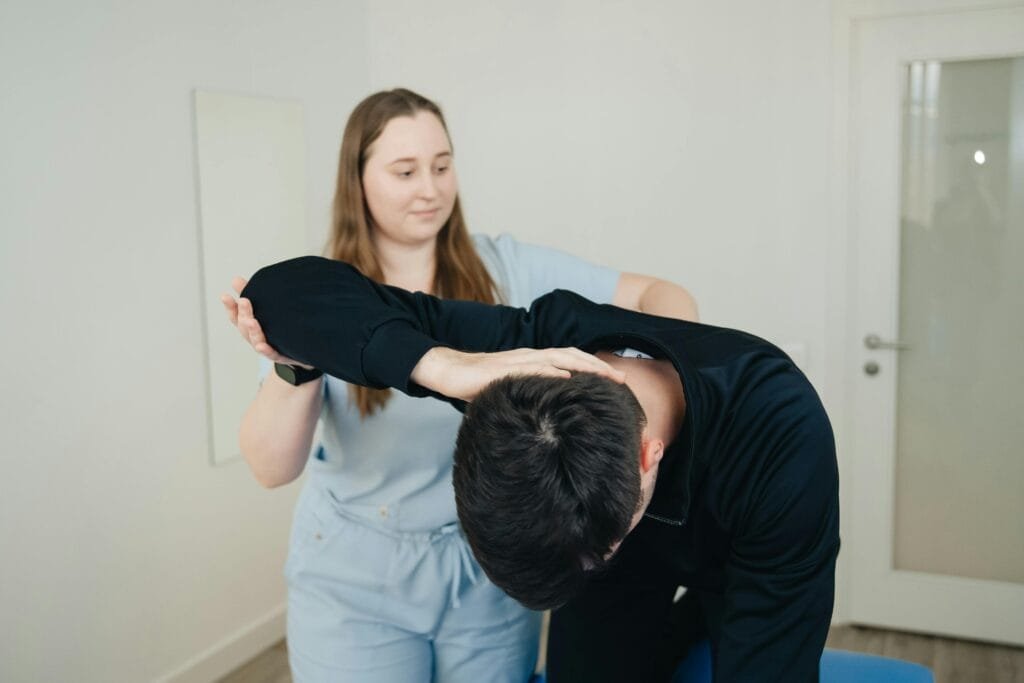
A hallmark of a truly professional stretch therapist or stretch coach is their unwavering commitment to continuous, clear communication throughout the entire session. They will consistently check in with you, asking for precise feedback on the intensity and quality of the stretch you are experiencing. Your critical role in this collaborative process is to be entirely honest and articulate about what you are feeling. A responsible therapist will never, ever push you beyond your current physiological limits or into the realm of pain. Forcing a stretch too aggressively can lead directly to muscle strains, tears, or other injuries, which fundamentally undermines the entire purpose of preventing injury with stretching.
The ultimate objective is to gently and progressively challenge your muscles to extend and adapt, allowing them to relax and lengthen over time. This transformative process necessitates patience, consistent effort, and a meticulously gradual approach. Remember, consistent, intelligently applied gentle stretching is immeasurably more effective and infinitely safer than aggressive, painful attempts to achieve rapid flexibility gains.
How Do I Find a Qualified Stretch Therapist or Studio?
Choosing the right professional is essential to ensure a safe and beneficial assisted stretching experience. As interest in stretch therapy grows across the UK, so too does the range of providers – making it especially important to identify a practitioner with the appropriate qualifications, experience, and client-focused approach.
Here’s what to look for:
✅ 1. Relevant Qualifications and Experience
Seek practitioners with recognised qualifications in stretching techniques or related disciplines such as physiotherapy, sports therapy, osteopathy, massage therapy, or exercise science. Membership in professional bodies (e.g., HCPC, CSP, STA, FHT) or relevant CPD-accredited certifications shows a commitment to ongoing professional development. If in doubt, ask what their training covered and how long they’ve been working with clients.
✅ 2. Reviews and Testimonials
Independent reviews – on platforms like Google or Trustpilot – can offer useful insights into a therapist’s professionalism, communication style, and the overall client experience. Look for comments about whether sessions felt well-structured, informative, and tailored to individual needs.
✅ 3. Initial Assessment or Consultation
A reputable provider will take time to assess your mobility, ask about your health history, and understand your goals before delivering any assisted stretching. This helps them adapt techniques to suit your comfort level and ensures safety, especially if you have any medical concerns.
✅ 4. Professional Setting
The studio or treatment space should be clean, well-maintained, and set up to allow for safe and comfortable stretching. The environment should feel professional but welcoming, with sufficient time allowed for questions and adjustments during each session.
✅ 5. Clear Communication and Consent
Good therapists explain what each stretch involves, check how you’re feeling throughout, and ensure informed consent is given at every stage. They won’t rush or push beyond your comfort zone.
✅ 6. Word-of-Mouth Referrals
Recommendations from friends, family, or health and fitness professionals you trust can be a great way to find a reliable therapist who meets your expectations.
If you’re searching for services in your area, using phrases like “assisted stretching near me” or checking trusted directories for allied health professionals can help. You may also wish to explore clinics such as StretchMasters®, where therapists are trained in evidence-informed techniques and follow professional standards of care.
What Can I Expect During My First Assisted Stretching Session?
So, you’ve taken the plunge and booked your inaugural professional assisted stretching session – how exciting! To ensure you feel completely prepared and confident, here’s a typical roadmap of what you can anticipate during this insightful first visit:
- Warm Welcome and Comprehensive Intake: Upon arrival, you’ll likely be greeted by your dedicated stretch coach or therapist. The initial phase of your session will be thoughtfully dedicated to a brief yet thorough intake process. This typically involves completing a detailed health questionnaire (if you haven’t already done so online), engaging in a focused discussion about your specific goals (e.g., “My aim is to improve flexibility stretches with a partner for my dance classes,” or “I’m looking for stretching exercises for pain relief in my neck after long hours at my computer”), articulating any current areas of pain, past injuries, or relevant medical history. This crucial dialogue provides the therapist with the essential understanding of your unique physiological landscape, allowing them to precisely tailor the session for maximum safety and efficacy.
- Personalised Assessment: Following the intake, your therapist will most likely conduct a concise yet insightful physical assessment. This might involve observing your natural posture, gently assessing your active and passive range of motion exercises in key joints, and identifying any obvious muscular imbalances or areas of chronic tightness. Rest assured, this is not a test of your flexibility! Rather, it’s a vital diagnostic step that empowers your therapist to craft a truly bespoke stretching program that directly addresses your individual needs and goals.
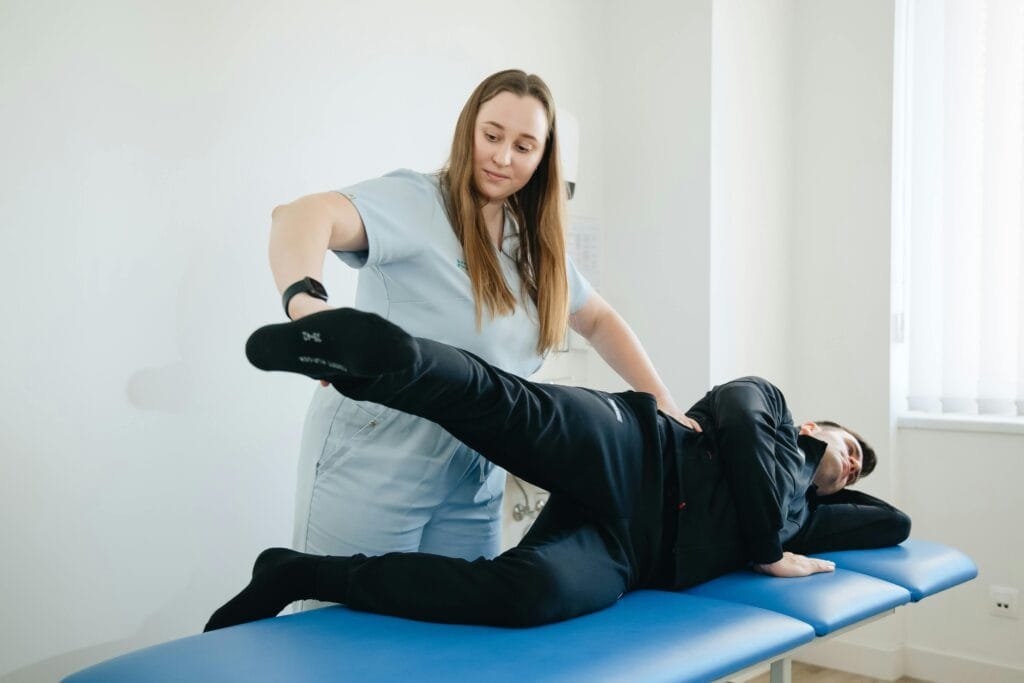
- The Stretching Experience Commences: Once the assessment is complete and goals are clear, the actual guided stretching will gracefully begin. You’ll typically recline comfortably on a specialised massage table or a padded mat. Your therapist will then meticulously and gently move your limbs into various precise stretch positions. They will expertly utilise their body weight, leverage, and skilled hands to apply controlled, progressive pressure, assisting you in achieving deeper, more beneficial stretches than you could on your own. Throughout this process, they will maintain continuous, open communication, consistently checking in with you regarding your comfort level and the precise sensations you are experiencing. Remember, candour is key to a productive session! If a stretch feels too intense, or if you feel any discomfort, it’s crucial to articulate this immediately.
- Integrated Techniques: As discussed, your therapist will intelligently integrate a variety of stretching techniques – such as sustained static stretching, fluid passive stretching, collaborative active assisted stretching, or the neurologically advanced PNF stretching – based on your specific body’s response and the identified areas needing attention. This adaptive approach ensures a dynamic and highly effective session.
- Targeted Focus Areas: The session will likely focus on the major muscle groups that often contribute to tightness and limited mobility, including your hamstrings, quadriceps, hip flexors, glutes, chest, and back. If you have any specific areas of particular concern (e.g., chronic shoulder tension indicative of assisted stretching for desk workers), ensure you highlight these during your initial intake discussion.
- Post-Session Insights and Recommendations: As your session gracefully concludes, your therapist will typically provide insightful feedback on your current flexibility levels, highlight areas where you achieved significant progress, and offer personalised recommendations for optimising future sessions or for integrating simple daily stretching routine tips you can practice on your own between visits. They might even suggest practical ways to incorporate daily routine for assisted stretching at home.
Your first assisted stretching session is a deeply hands-on, highly interactive, and remarkably insightful experience, meticulously designed to meet your body exactly where it is and gently guide it towards unprecedented levels of flexibility, comfort, and functional freedom.
Which Professional Tools and Accessories Are Recommended for Daily Assisted Stretch Sessions?
While the true artistry of assisted stretching undeniably resides in the skilled hands and expert guidance of a professional stretch coach, there are indeed some invaluable tools and accessories that can profoundly enhance your daily routine for assisted stretching at home or provide effective complementary support to your professional studio sessions. These are particularly useful for partner assisted stretching exercises where one individual takes on the role of the “assistant” utilising a tool, or for solo stretches requiring extended reach or leverage.
Here are some of the most beneficial and highly recommended items:
- High-Quality Stretching Straps (or Yoga Straps): These deceptively simple tools are incredibly versatile. Equipped with various loops or a sturdy construction, they allow you to extend your reach significantly, making traditionally challenging stretches – particularly for hamstrings, quadriceps, and shoulders – more accessible and effective. They are excellent for solo passive stretching or as a supportive aid during partner stretching.
- Therapeutic Foam Rollers: While not exclusively designed for assisted stretching, foam rollers are exceptional for self-myofascial release. This technique helps to release muscle knots, reduce fascial tension, and improve tissue extensibility before or after stretching. By addressing trigger points and muscle adhesions, foam rolling can make subsequent stretching far more effective.
- Targeted Massage Balls (e.g., Lacrosse Balls or Specialized Massage Balls): Similar in concept to foam rollers but offering a far more precise and intense pressure, massage balls are ideal for pinpointing and releasing deeply tight or knotted areas in smaller, harder-to-reach muscles, such as the glutes, hip flexors, or specific points between the shoulder blades.
- Versatile Resistance Bands: These are not solely for strengthening! Resistance bands can be cleverly utilised to provide gentle, progressive resistance for active stretching, or conversely, to assist in deepening stretches by carefully pulling a limb into a new, extended range of motion.
- Specialised Assisted Stretching Devices (e.g., Stretch Master Pro/Mini): For those committed to achieving professional-level assisted stretching benefits within their own home environment, innovative devices like the Stretch Master Pro and Mini are worth exploring. These tools are engineered to help individuals safely attain deeper, more controlled stretches, particularly for challenging areas such as the hamstrings and hips. They offer a self-guided method to achieve that deeply beneficial stretch without requiring a second person. You can delve into more detailed information about these cutting-edge tools on the StretchMasters®blog, which offers insights into maximizing your at-home flexibility.
- Supportive Pillows or Cushions: Simple yet essential, pillows or cushions can significantly enhance comfort and provide crucial support during various stretches, particularly when lying down. They help to ensure proper body alignment, alleviating undue strain on other areas and allowing the target muscles to relax more completely.
Remember, while these tools are invaluable aids, they serve as powerful complements, not direct replacements, for the expertise and nuanced touch of professional stretch therapy. However, they represent a brilliant way to consistently maintain your flexibility gains and continue your progressive journey towards enhanced mobility and comfort between dedicated studio visits, or as an integral component of your consistent daily stretching routine.
Conclusion: Embrace the Stretch, Embrace Movement with Confidence
As we’ve explored throughout this article, assisted stretching – when delivered professionally and safely – can play a valuable role in supporting flexibility, posture, and general mobility. Whether you’re someone who sits for long hours at a desk, an active individual seeking to enhance performance, or simply looking to move more comfortably throughout the day, this approach may offer structured, guided support tailored to your body’s unique needs.
Importantly, assisted stretching is not a one-size-fits-all solution. It should be approached mindfully and with professional guidance, especially for individuals managing medical conditions or musculoskeletal concerns. A qualified practitioner – particularly one trained in physiotherapy, sports rehabilitation, or a related discipline – will always prioritise safety, evidence-informed practice, and personalised care.
Choosing to incorporate assisted stretching into your routine is not about chasing extreme flexibility or dramatic transformations. It’s about investing in your everyday ease of movement, body awareness, and long-term physical wellbeing. If you’re curious, consider speaking with a professional or visiting a reputable stretch therapy clinic for an initial assessment to see if it’s appropriate for you.
Your body deserves thoughtful attention and care – and supported movement may be one meaningful way to help it feel and function at its best.
Related Blogs from Stretchmasters.co.uk:
- The Best Assisted Stretching Techniques for Pregnant Women: Your Guide to Comfort & Mobility
- How to Use Assisted Stretching for Better Sleep: Your Guide to Deeper Rest
- The Role of Assisted Stretching in Physical Therapy
References
Alter, M. J. (2004). Science of flexibility (3rd ed.). Human Kinetics.
Behm DG, Chaouachi A. A review of the acute effects of static and dynamic stretching on performance. Eur J Appl Physiol. 2011 Nov;111(11):2633-51. doi: 10.1007/s00421-011-1879-2. Epub 2011 Mar 4. PMID: 21373870. https://pubmed.ncbi.nlm.nih.gov/21373870/
Chartered Society of Physiotherapy. (n.d.). Physical activity: advice for the public. Retrieved July 17, 2025, from https://www.csp.org.uk/public-patient/keeping-active-healthy/physical-activity-advice-public
Kay, A. D., & Blazevich, A. J. (2012). Effect of acute static stretch on maximal muscle performance: a systematic review. Medicine & Science in Sports & Exercise, 44(1), 160–168. https://pubmed.ncbi.nlm.nih.gov/21659901/
Warneke K, Lohmann LH, Wilke J. Effects of Stretching or Strengthening Exercise on Spinal and Lumbopelvic Posture: A Systematic Review with Meta-Analysis. Sports Med Open. 2024 Jun 5;10(1):65. doi: 10.1186/s40798-024-00733-5. PMID: 38834878; PMCID: PMC11150224.https://pmc.ncbi.nlm.nih.gov/articles/PMC11150224/
Osama M, Shakil Ur Rehman S. Effects of static stretching as compared to autogenic inhibition and reciprocal inhibition muscle energy techniques in the management of mechanical neck pain: a randomized controlled trial. J Pak Med Assoc. 2020 May;70(5):786-790. doi: 10.5455/JPMA.9596. PMID: 32400728. https://pubmed.ncbi.nlm.nih.gov/32400728/
Pope, R. P., Herbert, R. D., Kirwan, J. P., & Graham, B. J. (2000). A randomized trial of preexercise stretching for prevention of lower-limb injury. Medicine & Science in Sports and Exercise, 32(2), 271–277. https://pubmed.ncbi.nlm.nih.gov/10694106/
Sharman, M. J., Cresswell, R. A., & Riek, S. (2006). Proprioceptive Neuromuscular Facilitation (PNF) Stretching: Mechanisms and Clinical Implications. Sports Medicine, 36(11), 929–939. https://pubmed.ncbi.nlm.nih.gov/17052131/
Disclaimer:
The content on this blog is provided for general information and wellness purposes only. It should not be considered medical advice, diagnosis, or treatment. StretchMasters® services, including assisted stretching, are intended to support overall wellbeing and are not a substitute for professional healthcare guidance. While reasonable care has been taken in preparing and verifying the information presented in this blog, StretchMasters® makes no claims, representations, or guarantees regarding its completeness, accuracy, reliability, suitability or availability with respect to the website or the information, products, services, or related graphics contained on the website for any purpose. This content is intended for general informational purposes only and is not a scientific article. Inconsistencies, inaccuracies, or errors — including in paraphrasing and citation — may be present. Any reliance you place on such information is therefore strictly at your own risk. We strive to ensure that all information is accurate and up to date; however, due to the evolving nature of health research, we cannot guarantee that all content reflects the latest evidence. Additionally, external links shared in blog posts may change, be updated, or become inactive over time without notice. Always consult with a qualified medical professional before starting any new therapy, especially if you have existing health conditions. StretchMasters®, its parent company Skuil Ltd, and affiliated clinics accept no liability for decisions made based on this content. Opinions expressed in individual blog posts are those of the authors and do not necessarily reflect the views or policies of StretchMasters® or its subsidiaries. Any reference to third-party organisations, websites, services, or products is not an endorsement.