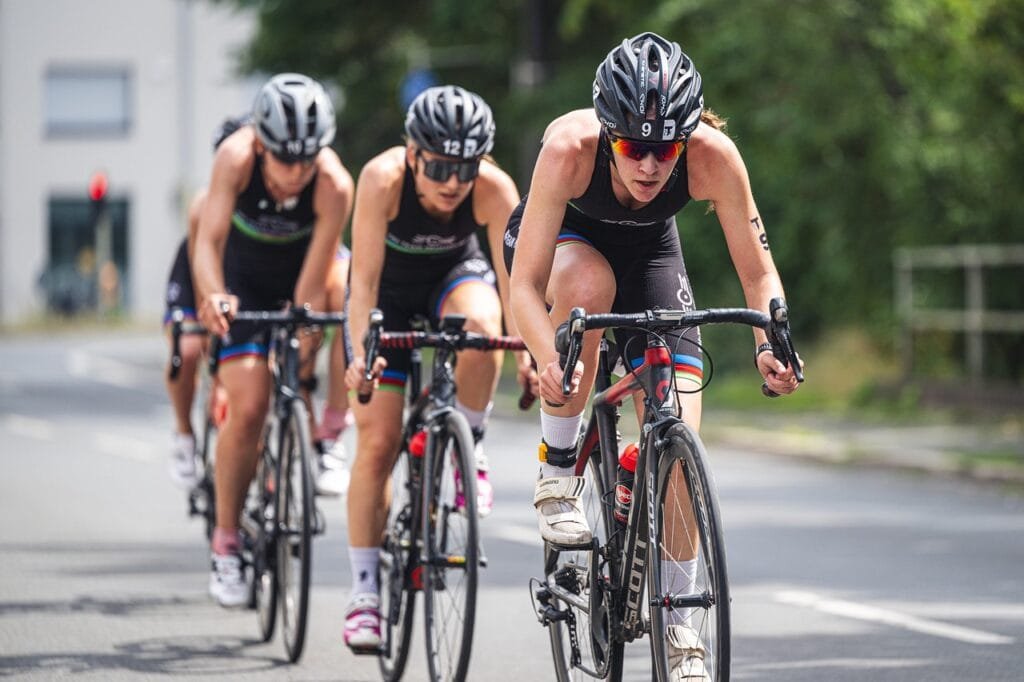
The sun-drenched tarmac, the rhythmic hum of your chain, the feeling of miles disappearing beneath your wheels – this is the cyclist’s poetry. But let’s be honest, that beautiful rhythm often gives way to a familiar prose of physical discomfort. That deep ache in your lower back, the protesting stiffness in your hamstrings, and hip flexors that feel like they’ve been set in concrete. You’ve probably tried to stretch it out yourself, contorting your body on the living room floor, but found the relief fleeting.
What if there was a way to move beyond this frustrating cycle? A method that doesn’t just offer temporary relief but fundamentally re-engineers your body’s mechanics? Enter assisted stretching – a powerful, targeted approach that is fundamentally changing how cyclists approach their recovery and performance. It’s a sophisticated, hands-on technique that goes far deeper than a solo routine, designed to iron out the unique physical challenges that cycling creates. In this guide, we’ll delve deep into the science and practice of assisted stretching, uncovering how it can transform not just your recovery, but your entire relationship with the bike and the road ahead.
What is Assisted Stretching, and Why Is It So Different?
Most of us are familiar with the two main types of stretching we can do on our own: dynamic and static. Dynamic stretching, like leg swings or torso twists, warms up your muscles for activity. Static stretching, on the other hand, involves holding a position for a sustained period, usually after a workout.
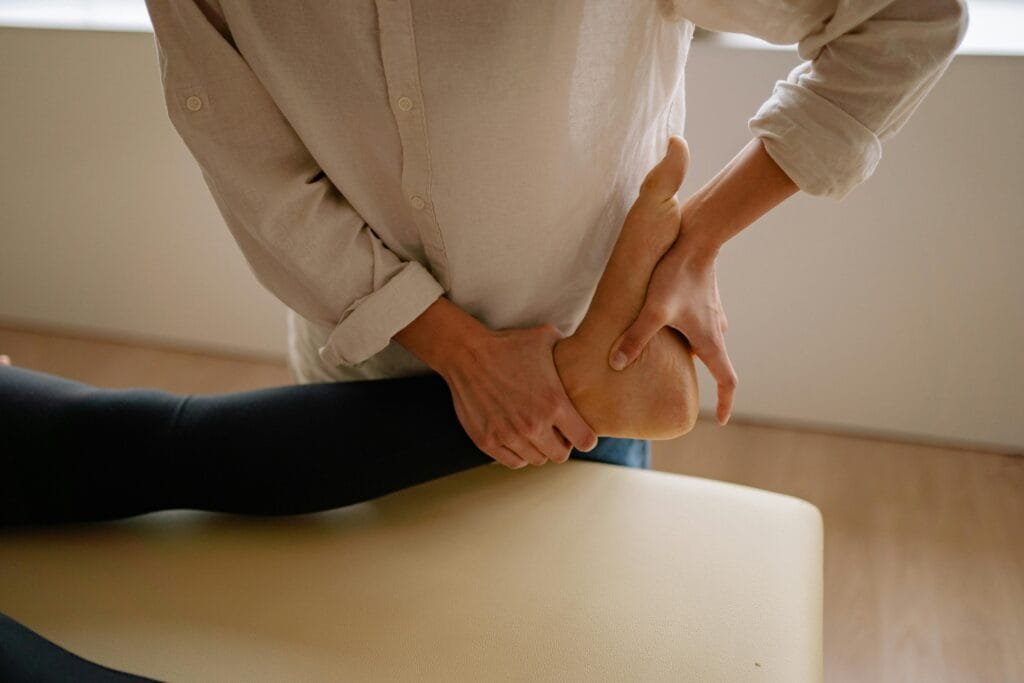
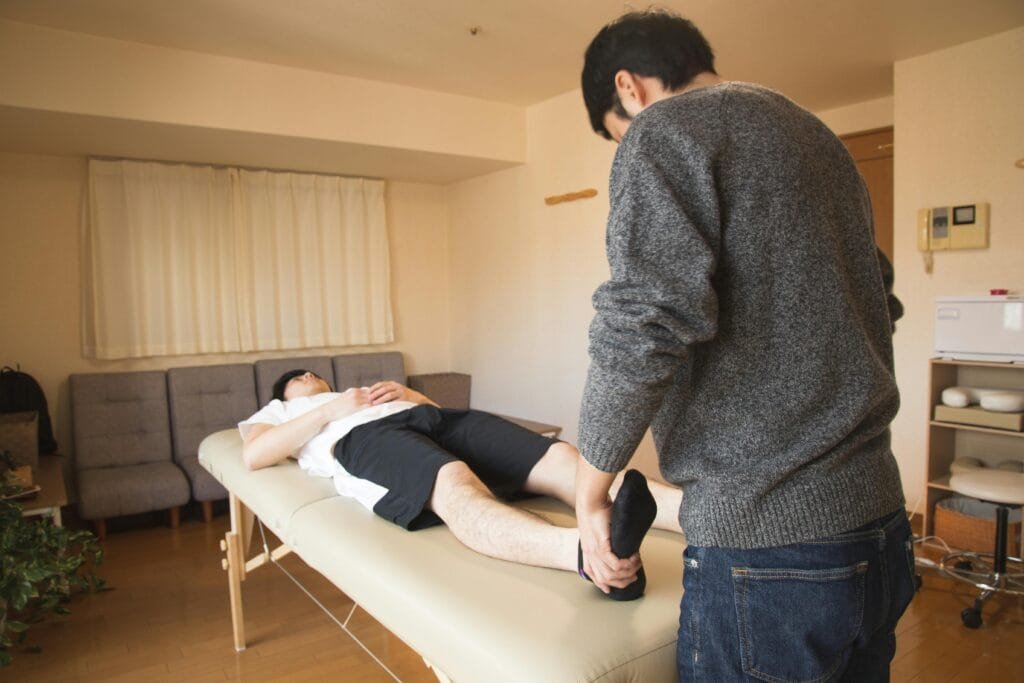
Assisted stretching is an entirely different beast. It’s a form of passive stretching where a trained professional uses gentle, controlled force to move a muscle or joint into a deeper stretch than you could ever achieve on your own. The crucial difference lies in how it interacts with your body’s nervous system. When you stretch by yourself, your brain’s protective stretch reflex kicks in. This is a neurological mechanism that senses a muscle being stretched too far or too fast, causing it to contract reflexively to prevent injury. A skilled practitioner, however, can bypass this resistance by carefully and slowly guiding your body into the stretch. This allows the muscle to truly relax and lengthen, achieving a deeper, more effective result than the body would allow on its own. Studies have shown that facilitated stretching allows for deeper, more effective muscle lengthening compared to unassisted stretching. (McAtee, 2002).
For a cyclist, this distinction is everything. The thousands of repetitive pedal strokes create ingrained movement patterns and postures, leading to specific muscle imbalances and chronic tightness. Assisted stretching is an effective way to actively combat this, resetting your muscle length and joint mobility far more efficiently than a solo routine ever could.
The Deeper Science: How Assisted Stretching Unlocks Your Body
To truly appreciate the power of assisted stretching, you need to understand what’s happening beneath the surface. Our muscles are not isolated units; they are part of a vast, interconnected network of connective tissue called fascia. When you spend hours in a static, hunched-over position, this fascial network can become tight, restricted, and dehydrated, acting like a straitjacket on your muscles and limiting your range of motion.
Assisted stretching works by applying specific, targeted tension to this fascial web, helping it to release and lengthen. This is often done in combination of various modalities and often using a highly effective technique known as Proprioceptive Neuromuscular Facilitation (PNF), which is also referred to as a cornerstone of professional stretch therapy. PNF involves a three-step process:
- Contract: The professional guides you to contract the target muscle against their resistance for a few seconds. This is an isometric contraction.
- Relax: You then completely relax the muscle.
- Stretch: As you relax, the therapist gently pushes you into a new, deeper range of motion.
This clever method uses the body’s own neurological responses to its advantage. By engaging the muscle and then relaxing it, you temporarily inhibit the stretch reflex, allowing for a more profound increase in flexibility (Sharman et al., 2006). For cyclists, this is the difference between pulling on a stiff rope and applying just the right amount of leverage to get it to release.
How Does Assisted Stretching Benefit Cyclists Specifically?
The advantages of assisted stretching for cyclists aren’t just about feeling good; they’re directly linked to enhanced performance and injury prevention.
- Enhanced Pedalling Efficiency: The pedal stroke is a complex kinetic chain. A cyclist with tight hip flexors cannot achieve a full extension at the top of the stroke, limiting power delivery. Similarly, tight hamstrings can restrict the “pulling up” phase. By improving the assisted range of motion in cycling, you can achieve a more fluid, powerful, and complete pedal stroke, allowing for greater force delivery and reduced wasted energy. Studies have demonstrated that a passive stretching program could lead to improvements in flexibility and performance in cyclists and effectively improve the competitive ability of cyclists (Handel et al., 1997; Lévénez et al., 2013; Dai & Luo, 2023).
- Accelerated Muscle Recovery: After a demanding ride, your muscles are often fatigued and riddled with micro-tears and metabolic waste. Gentle, passive stretching guided by a professional can increase blood flow to these overworked muscles. This improved circulation helps to flush out metabolic byproducts and deliver essential oxygen and nutrients, which may contribute to faster recovery and reduced post-ride soreness. Think of it as a controlled, deliberate process to restore your muscles to their pre-ride state.
- Targeted Injury Prevention: Many common cycling ailments, such as patellofemoral pain (cyclist’s knee), Achilles tendonitis, or chronic lower back pain, are often symptoms of underlying muscle imbalances and poor biomechanics. Tight hip flexors can cause an anterior pelvic tilt, forcing your lower back to overcompensate. Likewise, tight hamstrings can put excessive strain on the tendons around the knee. A targeted cycling injury prevention stretching routine with a professional may help correct these imbalances, restoring a more neutral posture and reducing strain on vulnerable areas (Cross & Worrell, 1999; McHugh & Cosgrave, 2010).
- Increased Power Output: While it might seem counterintuitive, a well-stretched, mobile muscle can often generate more power. A tight muscle is like a spring that’s already halfway compressed – it has limited room to contract and extend. By restoring your muscles to their optimal length, you give them a greater range to work with, allowing for a more explosive and efficient contraction. This is particularly relevant for sprint efforts and challenging climbs.
When is the Best Time for Cyclists to Do Assisted Stretching?
Timing is everything. A deep, static pre-ride assisted stretching session isn’t generally recommended, as it can temporarily reduce muscle force, which isn’t ideal for a sport where power output is key. A pre-ride routine should focus on dynamic movements to warm up and prepare your body for the specific demands of cycling.
The optimal time for a deep, assisted stretching session is post-ride or during a dedicated recovery day. This is when your muscles are warm and most receptive to change. A post-ride assisted stretching session helps your body return to a state of rest, actively combatting the muscle shortening that occurs during a ride. It’s a vital part of a comprehensive cycling recovery stretching routine.
The Core Musculature: What to Focus on
Cycling is a sport that relies heavily on a few key muscle groups. An effective assisted stretching routine for cyclists focuses on reversing the specific patterns of tightness that this sport creates. Here are the prime targets for deep muscle stretches for cyclists:
- Hip Flexors: The psoas and iliacus muscles are shortened for hours on the bike. An assisted hip flexor stretching session is fundamental. As an esteemed Sports Physiotherapist and cycling enthusiast, Dr. Bennett Makawar, once said, “A cyclist’s power starts in the hips. If the hip flexors are tight, you’re not just sacrificing comfort; you’re leaving power on the table and inviting back pain.”
- Hamstrings: While active, the hamstrings are held in a shortened position. Tight hamstrings can limit power and put strain on your knees and lower back.
- Glutes (Gluteus Maximus and Medius): Strong glutes are the engine of your pedal stroke, but they can become tight and restricted. Stretching the glutes improves hip mobility and power transfer.
- Quadriceps: The front of your thighs work tirelessly. Keeping them flexible is vital for knee health and a smooth pedal stroke.
- Lower Back and Thoracic Spine: The hunched-over posture leads to stiffness in your back. Assisted stretches that focus on extending and rotating the spine can be incredibly effective for relieving pressure and improving your overall comfort on and off the bike.
Is Assisted Stretching for You? From Beginner to Pro
Assisted stretching can benefit almost everyone. The beauty of assisted stretching is its adaptability. For a beginner, it’s about building a solid foundation. Many new cyclists come to the sport with pre-existing mobility limitations. A professional can identify these issues early on and help you establish a baseline of flexibility that will serve you for years to come.
For seasoned and professional cyclists, the focus shifts to refinement and maintenance. At this level, every watt of power and every second of recovery matters. Assisted stretching becomes a sophisticated tool for cycling flexibility improvement stretches and assisted flexibility training, allowing cycling athletes to push their physical limits while mitigating the cumulative stress of intense training.
What to Look for in a Professional
Trusting your body to someone else is a big deal. The efficacy and safety of assisted stretching are directly linked to the practitioner’s skill and knowledge. For those seeking stretch therapy, look for a professional with a background in:
- Physiotherapy or Sports Therapy: These professionals have extensive training in human anatomy, biomechanics, and injury rehabilitation.
- Accredited Assisted Stretching Certifications: Look for certifications from reputable institutions. A professional who adheres to the high standards of a professional or regulatory body is a good indication of quality and expertise.
- Specific Experience with Athletes, especially Cyclists: A practitioner who understands the unique biomechanical demands of cycling can provide a more effective and tailored session. A reputable service provider, often transparently lists their team’s qualifications and experience, providing peace of mind.
It’s crucial to be a discerning consumer. Ask questions, communicate your pain and comfort levels, and ensure you’re working with someone who understands not just the body, but your body on a bike.
Final Thoughts: The Investment in Your Performance
Ultimately, assisted stretching for cyclists is more than just a recovery method; it’s an investment in your athletic longevity and enjoyment of the sport. It’s the sophisticated, often overlooked part of the training cycle that can unlock significant gains on the road. By addressing muscle imbalances, improving your flexibility, and accelerating your recovery, you’re not just preparing for the next ride -you’re building a more resilient, powerful, and pain-free body for a lifetime of cycling.
If you’re serious about your performance and want to experience what your body is truly capable of, consider making assisted stretching a regular part of your routine. Find a qualified professional and discover the difference that a deeper, more intentional approach to flexibility can make. Your legs, your back, and your next personal best will likely thank you for it.
Other Useful Resources
Want to learn more about assisted stretching? Check out these related articles from StretchMasters® Blog:
- The Top 5 Assisted Stretching Mistakes to Avoid
- How to Incorporate Assisted Stretching into Your Daily Routine
- Stand Tall, Live Fully: How Assisted Stretching Can Support Better Posture
References
- Cross, K. M., & Worrell, T. W. (1999). Effects of a static stretching program on the incidence of lower extremity musculotendinous strains. Journal of Athletic Training, 34(1), 11–14. https://pubmed.ncbi.nlm.nih.gov/16558540/
- Dai, L., & Luo, T. (2023). The effects of stretching on training cyclists. Revista Brasileira de Medicina do Esporte, 29(1), e2022_0281. https://doi.org/10.1590/1517-8692202329012022_0281
- Handel, M., Horstmann, T., Dickhuth, H., & Gülch, R. (1997). Effects of contract-relax stretching training on muscle performance in athletes. European Journal of Applied Physiology and Occupational Physiology, 76(5), 400–408. https://doi.org/10.1007/s004210050268
- Herbert, R. D., & Gabriel, M. (2002). Effects of stretching before and after exercising on muscle soreness and risk of injury: Systematic review. British Medical Journal, 325(7362), 468. https://doi.org/10.1136/bmj.325.7362.468
- Lévénez, M., Theunissen, S., Bottero, A., Snoeck, T., Bruyère, A., Tinlot, A., Balestra, C., & Provyn, S. (2013). The effect of a passive stretch training protocol on performance during a drop jump in humans. The Journal of Sports Medicine and Physical Fitness, 53(3), 319–326. PMID: 23715287. https://pubmed.ncbi.nlm.nih.gov/23715287
- McHugh, M. P., & Cosgrave, C. H. (2010). To stretch or not to stretch: The role of stretching in injury prevention and performance. Scandinavian Journal of Medicine & Science in Sports, 20(2), 169–181. https://doi.org/10.1111/j.1600-0838.2009.01058.x
- Muanjai, P., Mickevicius, M., Kamandulis, S., Snieckus, A., & Jones, D. (2019). The relationship between stiffness and pain following unaccustomed eccentric exercise: The effects of gentle stretch and repeated bout. European Journal of Applied Physiology, 119(11–12), 2499–2508. https://doi.org/10.1007/s00421-019-04108-7
- McAtee, R. (2002). An overview of facilitated stretching. Journal of Bodywork and Movement Therapies, 6(2), 108–115. https://doi.org/10.1054/jbmt.2001.0258
- Sharman, M. J., Cresswell, A. G., & Riek, S. (2006). Proprioceptive neuromuscular facilitation stretching: Mechanisms and clinical implications. Sports Medicine, 36(11), 929–939. https://doi.org/10.2165/00007256-200636110-00002
Disclaimer:
The content on this blog is provided for general information and wellness purposes only. It should not be considered medical advice, diagnosis, or treatment. StretchMasters® services, including assisted stretching, are intended to support overall wellbeing and are not a substitute for professional healthcare guidance. While reasonable care has been taken in preparing and verifying the information presented in this blog, StretchMasters® makes no claims, representations, or guarantees regarding its completeness, accuracy, reliability, suitability or availability with respect to the website or the information, products, services, or related graphics contained on the website for any purpose. This content is intended for general informational purposes only and is not a scientific article. Inconsistencies, inaccuracies, or errors — including in paraphrasing and citation — may be present. Any reliance you place on such information is therefore strictly at your own risk. We strive to ensure that all information is accurate and up to date; however, due to the evolving nature of health research, we cannot guarantee that all content reflects the latest evidence. Additionally, external links shared in blog posts may change, be updated, or become inactive over time without notice. Always consult with a qualified medical professional before starting any new therapy, especially if you have existing health conditions. StretchMasters®, its parent company Skuil Ltd, and affiliated clinics accept no liability for decisions made or outcomes based on this content. Opinions expressed in individual blog posts are those of the authors and do not necessarily reflect the views or policies of StretchMasters® or its subsidiaries. Any reference to third-party organisations, websites, services, or products is not an endorsement.