Let’s face it, our bodies often feel tighter than a new pair of jeans. In a world of desk jobs and long commutes, it’s no wonder many of us feel stiff, achy, and less mobile than we’d like. If you’ve ever tried to touch your toes and felt a sharp, undeniable resistance, you’ve experienced your body’s natural protective mechanisms in action. It’s a bit like a cautious bouncer at a nightclub, only letting you go so far. That’s where the world of assisted stretching comes in – it’s like the VIP pass to a deeper, more effective stretch, helping you safely move beyond those self-imposed limits.
For those just starting out, the idea of someone else helping you stretch might seem a little daunting. You might be wondering, “Is this for me?” or “Is it even safe?” it needn’t be daunting, once you understand the foundational principles and the incredible benefits, you’ll see why it’s a game-changer. This guide is your starting point, designed to demystify assisted stretching and give you a clear, no-nonsense path to a more flexible, mobile you. We’ll delve into the science, the safety, and the simple exercises you can start with.
What Is Assisted Stretching, and How Is It Different from Stretching on Your Own?
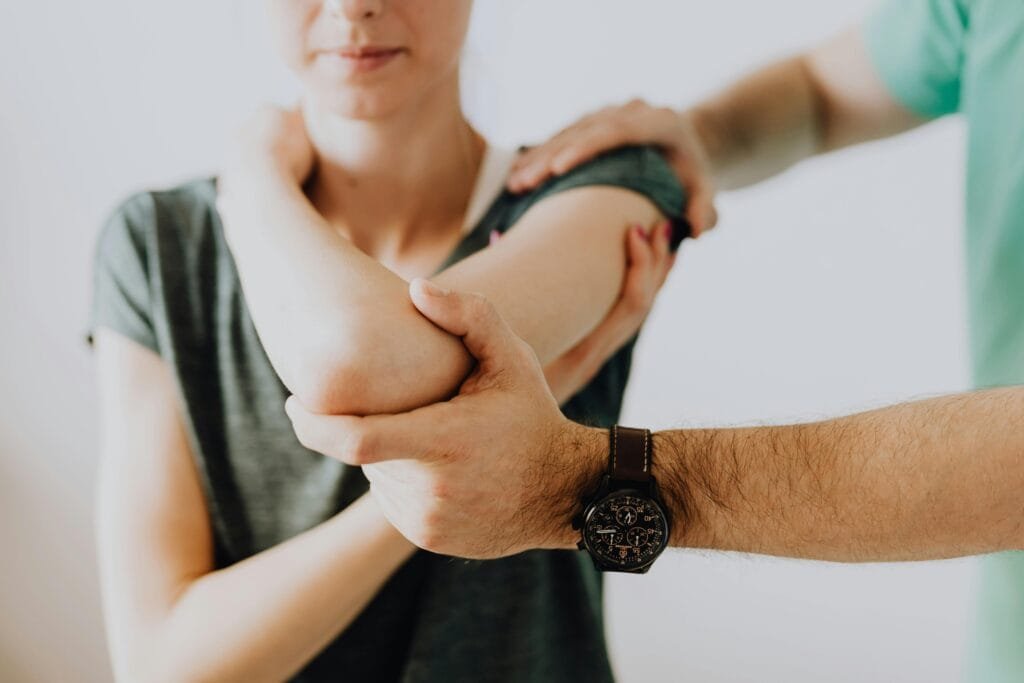
At its core, assisted stretching is any form of stretching where an external force, such as a partner, a trained professional, or even a specialized piece of equipment, helps you move a limb or body part further into a stretch than you could on your own.
The key difference lies in the body’s physiological response. When you perform a self-stretch, your muscles’ natural reflexes, particularly the stretch reflex, can limit your progress. The stretch reflex is a protective mechanism that causes a muscle to contract when it’s stretched too quickly or too far, in an effort to prevent injury (Asayama, 1915; Reschechtko & Pruszynski, 2020). This is why holding a self-stretch can sometimes feel like an uphill battle – your muscle is actively resisting you.
Assisted stretching helps to navigate this biological roadblock. A professional or a partner can apply a gentle, sustained, and controlled force, allowing the muscle to relax and lengthen more effectively. This technique, when applied correctly, can also stimulate the Golgi tendon organ (GTO), a sensory receptor that monitors muscle tension. When the GTO is activated by a sustained stretch, it sends a signal to the central nervous system to inhibit muscle contraction, promoting a deeper relaxation and allowing for a greater range of motion. This is why a session can often feel so productive; you’re working with your body’s reflexes, not against them.
Is Assisted Stretching Safe for Beginners?
This is a critical question, and the short answer is a resounding yes – provided it’s done correctly. For a beginner, the safest and most effective way to start is with a professional assisted stretching guide. A qualified practitioner, such as a physiotherapist, sports therapist, or certified stretch practitioner, has a deep understanding of human anatomy, biomechanics, and proper technique. They can identify your unique areas of tightness, ensure correct form, and work with you to find the right intensity without risking injury.
If you are considering partner-assisted stretching as a beginner, clear and constant communication is absolutely essential. The person assisting you should never, under any circumstances, push you past a point of mild, comfortable tension. The mantra here is “no pain, just gain.” You should feel a deep stretch, but never a sharp, stabbing, or painful sensation. Any pain is a clear signal to stop immediately.
What Are the Main Benefits of Assisted Stretching for Someone New to It?
The benefits of assisted stretching for beginners extend far beyond being able to touch your toes. It’s about enhancing your body’s ability to move freely and without restriction.
- Improved Flexibility and Range of Motion: This is the most celebrated benefit. By safely guiding your muscles and joints through their full range of motion, assisted stretching can help lengthen tissues and increase joint mobility. Research has shown that techniques like proprioceptive neuromuscular facilitation (PNF), a common form of assisted stretching, can be highly effective in improving hamstring flexibility (Shankar et al., 2010).
- Enhanced Muscle Performance: A tight muscle is a weak muscle. By improving the length and pliability of your muscles, you allow them to contract and lengthen more efficiently, which may translate to improved athletic performance and reduced fatigue during daily activities (Gajdosik, 2001).
- Reduced Muscle Soreness and Tension: Assisted stretching can help release built-up tension and improve circulation in your muscles. This may be particularly beneficial after a strenuous workout or after spending long periods in a static position. It helps to clear metabolic waste and bring fresh, oxygenated blood to the tissues, aiding in recovery (Sands et al., 2013).
- Better Posture: Many postural issues stem from muscular imbalances – for example, tight chest muscles pulling the shoulders forward. A targeted stretching program can help restore balance by lengthening these tight muscles, allowing your body to settle into a more natural, upright alignment (Nelson et al., 2012; Kang et al., 2020; Withers et al., 2023).
- Injury Prevention: A more flexible and mobile body is a more resilient body. By increasing your range of motion, you may reduce the likelihood of muscle strains and sprains that often occur when muscles are forced into positions they aren’t prepared for (Jensen, 1989; Amako, 2003; Witvrouw at al., 2004).
- Improved Mind-Body Connection: The focused nature of an assisted stretch session, particularly with a professional, helps you become more aware of your body’s limitations and capabilities. This heightened awareness can lead to better movement patterns and a greater sense of bodily control.
A Look at Different Types of Assisted Stretching
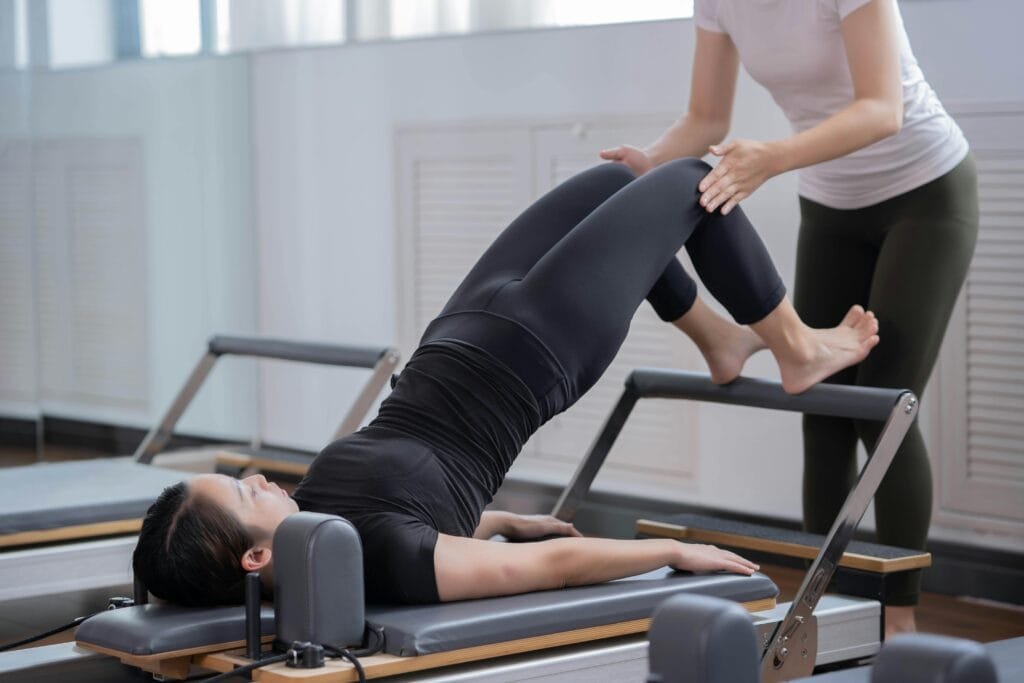
While the term “assisted stretching” is broad, the techniques used can vary. Understanding the main types can help you decide what’s right for you.
| Type of Stretch | Description | How It Works for Beginners |
| Passive Assisted Stretching | The partner or professional moves the body part for you while your muscles remain relaxed. | This is the most common form for beginners. You simply relax while the practitioner does the work, allowing for a deep, controlled stretch without muscular effort. |
| PNF Stretching (Proprioceptive Neuromuscular Facilitation) | A more advanced technique involving a three-step process: stretch, contract, and relax. You actively contract the muscle being stretched against resistance from your partner, followed by a deeper stretch. | While more advanced, a professional can introduce PNF safely to beginners to rapidly improve flexibility and range of motion. |
| Dynamic Assisted Stretching | The partner or practitioner guides you through controlled, rhythmic movements to lengthen muscles. | This is often incorporated into warm-ups or athletic conditioning. It can be used to prepare the body for movement and improve functional mobility. |
A well-rounded assisted stretching routine for beginners may include elements from all these types, expertly guided by a professional to achieve the best results.
FAQs for the Aspiring Stretcher
How often should a beginner do assisted stretching sessions?
For a beginner, starting with one or two sessions per week is a great way to build a foundation. Consistency is more important than intensity. The American College of Sports Medicine (ACSM) recommends stretching major muscle groups at least two to three days a week for improved range of motion (Garber et al., 2011).
What should I wear during an assisted stretching session?
Wear something comfortable that allows for a full range of motion. Think athletic shorts, leggings, and a t-shirt or tank top. The key is to avoid anything restrictive that might hinder your movement.
How long does a typical beginner assisted stretching session last?
A typical session usually lasts between 30 and 60 minutes. This allows for a thorough warm-up, a targeted focus on key muscle groups (like the hamstrings, hip flexors, and shoulders), and a cool-down.
How soon can beginners expect to see results from assisted stretching?
Many people report feeling an immediate difference – a sense of lightness, reduced tension, and a slight increase in their range of motion right after the first session. However, for lasting, significant improvements, you should expect to see noticeable changes after a few weeks of consistent practice.
Are there any risks or precautions I should be aware of as a beginner?
The primary risk is overstretching, which can lead to muscle strains. This is why professional guidance is so valuable. Always consult with a healthcare professional, such as a GP or physiotherapist, before starting any new fitness regimen, especially if you have a pre-existing injury or medical condition. A professional will always ask about your medical history to ensure your safety.
Can assisted stretching help with injury recovery if I’m new to it?
While stretching can be an effective part of a rehabilitation program, it should only be done under the guidance of a qualified physiotherapist or other healthcare professional. Stretching an injured muscle too soon or too aggressively can worsen the injury. Once cleared by a professional, however, assisted stretching can be an excellent tool for restoring normal range of motion and reducing stiffness.
Simple Assisted Stretching Exercises Suitable for Beginners
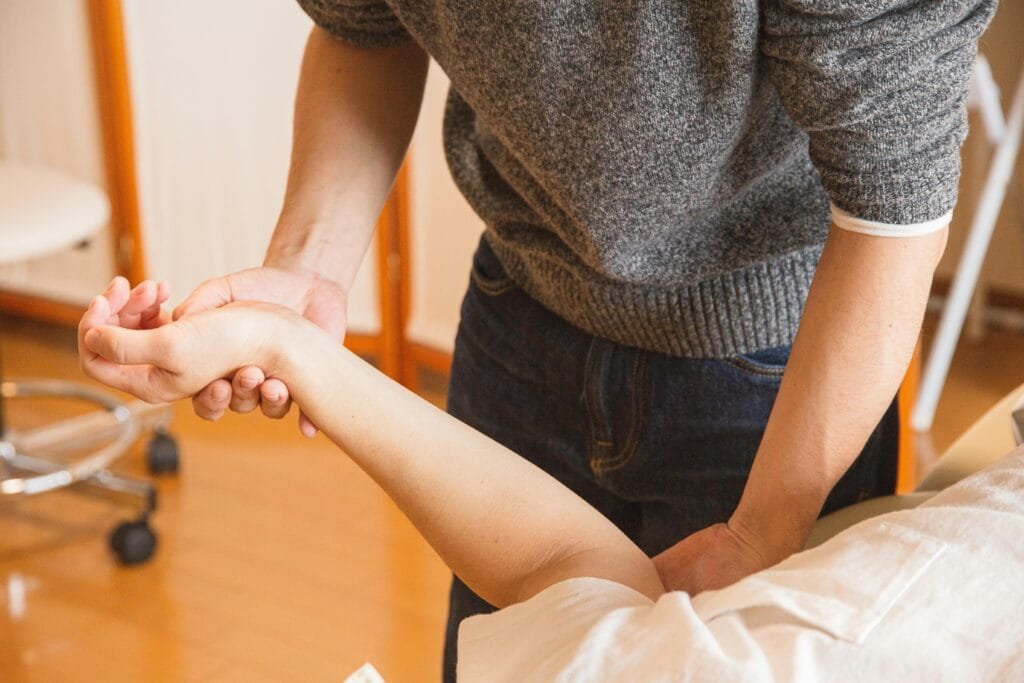
If you’ve decided to start with a trusted partner, here are a few simple assisted stretching exercises that are safe and effective. Remember to communicate clearly, and tell your partner to stop if you feel any pain.
1. Partner-Assisted Hamstring Stretch
- You: Lie on your back with your legs straight.
- Your Partner: Gently lift one of your legs, keeping it straight, until you feel a comfortable stretch in your hamstring. They should not push so hard that your hips lift off the ground.
- Hold: Hold the stretch for 20–30 seconds. Repeat on the other side.
2. Partner-Assisted Quad Stretch
- You: Lie on your stomach, with your legs straight.
- Your Partner: Gently bend one of your knees, holding your ankle and pushing your heel towards your glute.
- Hold: Hold this for 20–30 seconds. Repeat on the other side.
3. Partner-Assisted Chest Stretch
- You: Lie on your back with your arms out to your sides, palms facing up.
- Your Partner: Standing behind you, they gently pull your arms back, opening up your chest. This is a great stretch for anyone with a desk job.
- Hold: Hold for 20–30 seconds.
For more detailed guides and information, including videos and descriptions of various stretches, you might find the resources on the StretchMasters® blog very helpful.
A Final Word of Encouragement
Starting any new health routine can feel a bit overwhelming, but the journey toward a more flexible and mobile body is incredibly rewarding. Assisted stretching is a powerful tool, particularly for beginners, that can help you unlock a new level of freedom in your movement. Whether you choose to work with a professional or a partner, remember that the goal is progress, not perfection. Listen to your body, communicate clearly, and enjoy the journey to a more flexible, mobile, and comfortable you.
If you’re looking to take the first step, a professional assisted stretching session can be a wonderful starting point to help you build a solid foundation. Our team at StretchMasters® are dedicated to helping people improve their flexibility and mobility safely and effectively. We believe that everyone, regardless of their fitness level, can benefit from a little help in their stretching routine.
For more insights and to delve deeper into the world of flexibility and well-being, be sure to check out some of our other articles below;
Related Blogs:
- How to Incorporate Assisted Stretching into Your Daily Routine
- How to Combine Assisted Stretching with Strength Training
- The Ultimate Checklist for Effective Assisted Stretching Sessions
References
Amako, M., Oda, T., Masuoka, K., Yokoi, H., & Campisi, P. (2003). Effect of static stretching on prevention of injuries for military recruits. Military Medicine, 168(6), 442–446. https://doi.org/10.1093/milmed/168.6.442
Asayama, C. (1915). The proprioceptive reflex of a flexor muscle. Proceedings of the Physiological Society / Experimental Physiology, 10(Suppl.), 1–11. https://doi.org/10.1113/EXPPHYSIOL.1915.SP000208
Garber, C. E., Blissmer, B., Deschenes, M. R., Franklin, B. A., LaMonte, M. J., Lee, I.-M., Nieman, D. C., & Swain, D. P. (2011). American College of Sports Medicine position stand. Quantity and quality of exercise for developing and maintaining cardiorespiratory, musculoskeletal, and neuromotor fitness in apparently healthy adults: Guidance for prescribing exercise. Medicine & Science in Sports & Exercise, 43(7), 1334–1359. https://doi.org/10.1249/MSS.0b013e318213fefb
Gajdosik, R. (2001). Passive extensibility of skeletal muscle: Review of the literature with clinical implications. Clinical Biomechanics, 16(2), 87–101. https://doi.org/10.1016/S0268-0033(00)00061-9
Jensen, S., Espersen, G., Toft, E., Sinkjaer, T., & Schmidt-Olsen, S. (1989). [Stretching in relation to sports and prevention of injuries]. Ugeskrift for Læger, 151(48), 3266–3269. https://pubmed.ncbi.nlm.nih.gov/2929038
Kang, J.-I., Jeong, D.-K., Park, S., Yang, D., Kim, J.-H., Moon, Y.-J., & Baek, S.-Y. (2020). Effect of self-stretching exercises on postural improvement in patients with chronic neck pain caused by forward head posture. Journal of the Korean Society of Physical Medicine, 15(3), 51–59. https://doi.org/10.13066/kspm.2020.15.3.51
Sands, W. A., McNeal, J. R., Murray, S. R., Ramsey, M. W., Sato, K., Mizuguchi, S., & Stone, M. H. (2013). Stretching and its effects on recovery: A review. Strength & Conditioning Journal, 35(5), 30–36. https://doi.org/10.1519/SSC.0000000000000004
Shankar, G., Achnani, Y., & Vidyapeeth, S. (2010). Effectiveness of passive stretching versus hold relax techniques in flexibility of hamstring muscle. Online Journal of Health and Allied Sciences, 9(4), 1–3. https://www.semanticscholar.org/paper/EFFECTIVENESS-OF-PASSIVE-STRETCHING-VERSUS-HOLD-IN-Shankar-Achnani/3e2f9d39167e4a2d81ba2fb446f41a0a630b374d
Reschechtko, S., & Pruszynski, J. A. (2020). Stretch reflexes. Current Biology, 30(18), R1025–R1030. https://doi.org/10.1016/j.cub.2020.07.092
Withers, R., Plesh, C. R., Skelton, D., & Ameer, A.-E. (2023). Does stretching of anterior structures alone, or in combination with strengthening of posterior structures, decrease hyperkyphosis and improve posture in adults? A systematic review and meta-analysis. Journal of Frailty, Sarcopenia and Falls, 8, 174. https://doi.org/10.22540/JFSF-08-174
Witvrouw, E., Mahieu, N., Danneels, L., & McNair, P. (2004). Stretching and injury prevention. Sports Medicine, 34(7), 443–449. https://doi.org/10.2165/00007256-200434070-00003
Disclaimer:
The content on this blog is provided for general information and wellness purposes only. It should not be considered medical advice, diagnosis, or treatment. StretchMasters® services, including assisted stretching, are intended to support overall wellbeing and are not a substitute for professional healthcare guidance. While reasonable care has been taken in preparing and verifying the information presented in this blog, StretchMasters® makes no claims, representations, or guarantees regarding its completeness, accuracy, reliability, suitability or availability with respect to the website or the information, products, services, or related graphics contained on the website for any purpose. This content is intended for general informational purposes only and is not a scientific article. Inconsistencies, inaccuracies, or errors — including in paraphrasing and citation — may be present. Any reliance you place on such information is therefore strictly at your own risk. We strive to ensure that all information is accurate and up to date; however, due to the evolving nature of health research, we cannot guarantee that all content reflects the latest evidence. Additionally, external links shared in blog posts may change, be updated, or become inactive over time without notice. Always consult with a qualified medical professional before starting any new therapy, especially if you have existing health conditions. StretchMasters®, its parent company Skuil Ltd, and affiliated clinics accept no liability for decisions made or outcomes based on this content. Opinions expressed in individual blog posts are those of the authors and do not necessarily reflect the views or policies of StretchMasters® or its subsidiaries. Any reference to third-party organisations, websites, services, or products is not an endorsement.